
Trump Diesel Import Plan Draws Pushback Over Russia Ties

Cover image from thedispatch.com, which was analyzed for this article
The weekend agreement drew bipartisan congressional pushback and criticism from Ukraine's Zelenskyy, with analysts downplaying US fuel price impacts. Right-leaning outlets like National Review, Dispatch, and Washington Examiner questioned its legality and effectiveness.
PoliticalOS
Tuesday, October 13, 2026 — Politics
The reported diesel volumes are small relative to daily U.S. demand and arrive amid documented global supply constraints from Hormuz disruptions and Russian refinery losses. Reactions center on whether the sanctions step strengthens or weakens U.S. leverage with both Moscow and Kyiv, an issue that remains open pending delivery and enforcement details.
What outlets missed
No outlet supplied contract language, delivery timelines, or modeled spot-price impacts from the reported volumes. Congressional legal analyses of the sanctions waiver remain unreported. Ukrainian conditions for an energy cease-fire that would bind Russia received only passing mention despite their direct bearing on any negotiated pause. EU purchases of Russian LNG and pipeline gas were noted but not quantified against the scale of the proposed U.S. imports.
Diesel prices have climbed sharply since early January, moving from roughly $3.50 per gallon to about $6.20, according to market data cited across multiple reports. The increase stems from reduced flows of refined products through the Strait of Hormuz after regional conflict began and from Ukrainian strikes that cut Russian refinery output by an estimated 20 to 30 percent. Higher costs for trucking, farming, and construction now threaten to feed into broader consumer prices after a lag, with some projections placing the added inflation effect between 20 and 40 basis points.
President Trump announced an agreement to lift sanctions on Russian diesel exports, allowing an initial shipment of 300,000 metric tons, or 2.25 million barrels, followed by up to 1.5 million additional tons. The volumes represent less than one day of U.S. transport-sector demand. The administration framed the step as a response to supply pressure; Russia has not confirmed full compliance with the terms.
Ukraine’s president Volodymyr Zelenskyy rejected the arrangement and conditioned any new talks on a 60-day cease-fire covering Russian energy facilities as well. Trump separately warned that U.S. weapons and intelligence support could be curtailed if Ukraine did not accept revised terms, and he suggested Kyiv might need new leadership. Zelenskyy countered that elections could follow only after a verified Russian halt in attacks.
Congressional reaction crossed party lines, with lawmakers questioning both the legal basis for lifting sanctions and the strategic signal sent to Moscow. Analysts noted that U.S. refineries already run near capacity and that blocking exports would likely raise long-term domestic costs rather than lower them. The European Union continues to purchase Russian energy products, a point raised by the administration but not resolved in the new diesel arrangement.
The central unresolved question is whether limited additional supply from Russia can ease price pressure faster than it alters leverage in the ongoing conflict. Ukrainian strikes on Russian energy infrastructure have reduced Moscow’s export revenue while also tightening global diesel markets. No independent verification of delivery schedules or price effects from the announced volumes has appeared in public data so far.
More in Politics

Federal Agents Search Omar Home in Ongoing Immigration Probe
Homeland Security agents searched the Minnesota Democrat's DC residence in a criminal probe, prompting accusations of political intimidation from Omar and Democratic leaders. Coverage spans left-leaning outlets like NPR, BBC, and The Guardian alongside right-leaning criticism from The Federalist and Daily Wire.

Independents Test Voter Appetite for Middle Ground in 2026 Midterms
Nearly 200 independents are running in competitive races as voters weigh ballot measures on housing costs in states like Massachusetts. Left-leaning coverage from NYT, NPR, and Guardian highlights turnout and key races while right outlets focus on GOP strategy.
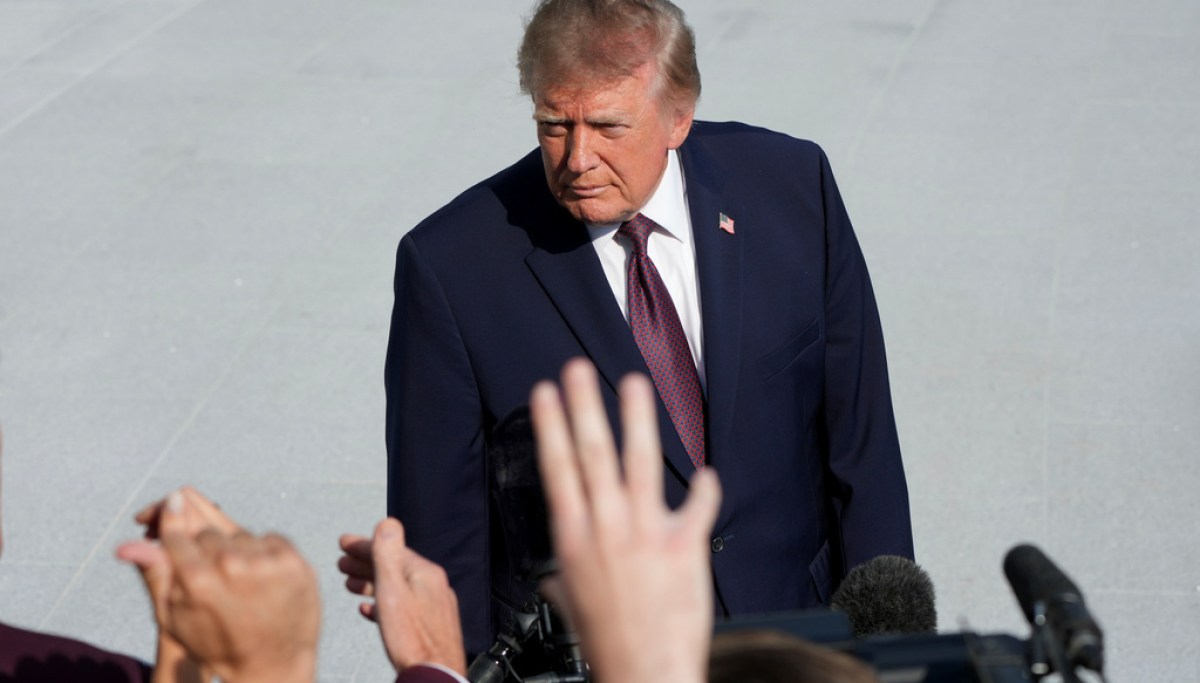
Trump Rallies in Alaska, Ohio to Bolster GOP Senate Candidates
The president rallied in Wasilla for Sen. Dan Sullivan and faced empty seats at an Ohio event amid midterm concerns. Outlets across the spectrum covered the trips as signals of GOP vulnerability weeks before Election Day.
Judge Halts Remaining Trump Taxpayer-Funded TV Ads
A federal judge ordered the Trump administration to immediately stop airing millions in taxpayer-funded TV ads promoting the president's agenda. The ruling follows legal challenges accusing the White House of blurring official and political activities.
The Compass
You just read five takes on one story.
What's your take? Find your political shape in a few minutes.
Take the test