
G7 Welcomes Iran Deal Outline but Presses for Lebanon Ceasefire
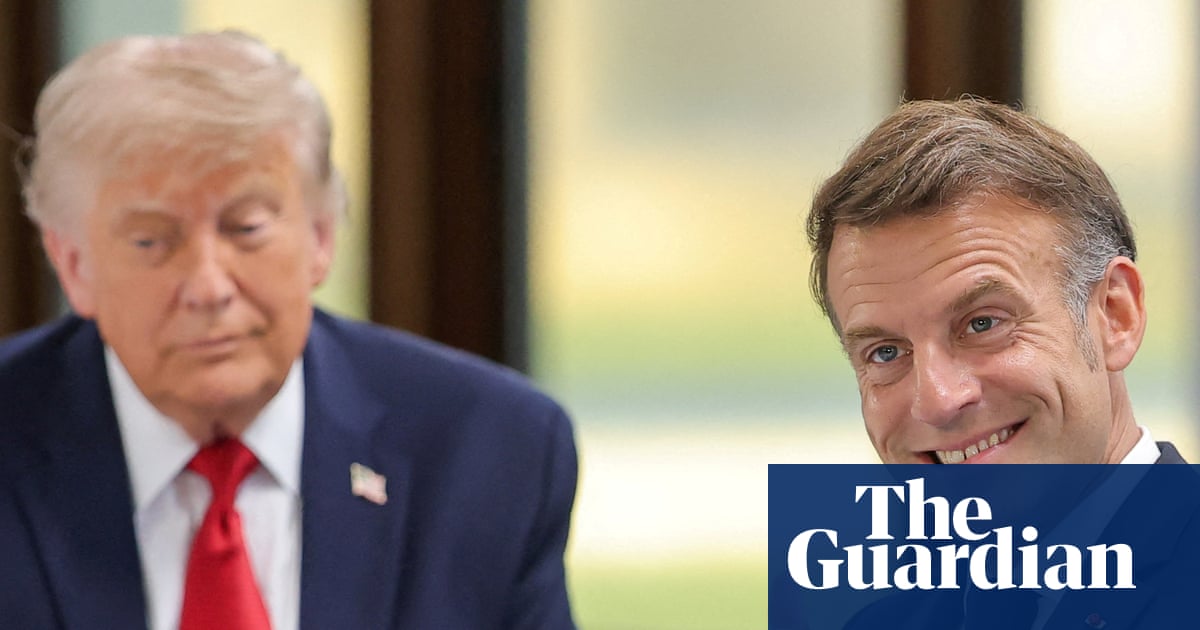
Cover image from theguardian.com, which was analyzed for this article
World leaders discuss Trump's Iran plan, US AI dominance, and global economic ripples from de-escalation, with mixed reactions and calls for further details on the deal.
PoliticalOS
Wednesday, June 17, 2026 — Politics
The G7 has endorsed an interim Iran ceasefire framework while insisting on Lebanese de-escalation, yet core issues including Israeli withdrawal, Iran's nuclear stockpile, and final terms remain unresolved and unpublicized. Parallel AI talks signal private-sector influence without settled regulatory outcomes.
What outlets missed
The G7 statement explicitly welcomed the interim deal and outlined allied readiness to assist implementation, details omitted or downplayed by outlets that led with uncertainty. Concrete references to a signed memorandum extending the ceasefire by 60 days and a Gulf-funded reconstruction package appeared in Reuters reporting but received little attention elsewhere. Parallel AI discussions at the summit were presented without verification of claimed export-control actions or model releases that do not appear in contemporaneous records.
Trump Touts Iran Deal at G7 While War's Costs Mount at Home
President Trump used the G7 summit in Evian-les-Bains to promote his tentative agreement with Iran aimed at reopening the Strait of Hormuz, yet major details remain unclear and the preceding conflict has already exacted a heavy toll. The gathering of leaders from the United States, Britain, Canada, France, Germany, Italy and Japan produced a joint statement welcoming the interim deal while calling for a ceasefire in Lebanon and steps to reduce reliance on the vital waterway.
Trump described the arrangement as moving forward on schedule during remarks Tuesday. He said Iran wants to resume normal business and that both sides have stayed engaged. The president is set to hold a press conference Wednesday morning before returning to Washington. Formal unveiling of the full text is expected later this week.
The conflict that preceded the agreement has killed more than 7,000 people, mostly in Iran and Lebanon, and disrupted global energy markets. Trump's approval numbers have slipped even among his core supporters as questions persist about what concrete gains the United States achieved. Senate Republicans, including some longtime backers, have demanded full briefings before endorsing any final text. Senator Lindsey Graham noted the conflicting descriptions coming from Washington and Tehran and said lawmakers need to examine the actual terms.
G7 partners expressed willingness to help implement parts of the accord, including a British-French led effort to secure shipping once the strait reopens. At the same time they signaled plans to diversify energy routes away from Hormuz, an implicit recognition that renewed Iranian leverage over the passage remains a concern. The statement also stressed the need for further talks on Iran's ballistic missiles and a permanent bar on Tehran obtaining nuclear weapons.
Israeli actions add another layer of uncertainty. Trump called on Prime Minister Benjamin Netanyahu to show more restraint in Lebanon, noting their past relationship but stressing the need for responsibility. Iranian officials have indicated any lasting deal requires an Israeli withdrawal from Lebanese territory, a condition Israel has so far rejected. The strategic interests of Washington and Jerusalem appear increasingly at odds after three rounds of fighting in Gaza, Lebanon and Iran that produced no decisive victory for Israel.
European officials, sidelined from direct U.S.-Iran talks since Trump took office, have raised concerns about the negotiating team's depth on nuclear issues. Iran maintained control over commercial traffic through the strait during the conflict, giving it added leverage that U.S. negotiators must now manage. Public reaction inside Iran reflects exhaustion more than celebration, with many citizens seeing little improvement in daily conditions despite the ceasefire.
The summit also drew technology executives from OpenAI, Anthropic and Google DeepMind for discussions on artificial intelligence, yet the Iran agreement overshadowed those sessions. For now the focus remains on whether the current memorandum can produce a durable settlement or simply pause hostilities long enough for both sides to regroup. Trump returns to Washington facing continued pressure to show that the costs already paid will yield lasting results rather than another open-ended commitment.
You just read America First's take. Want to read what actually happened?
More in Politics
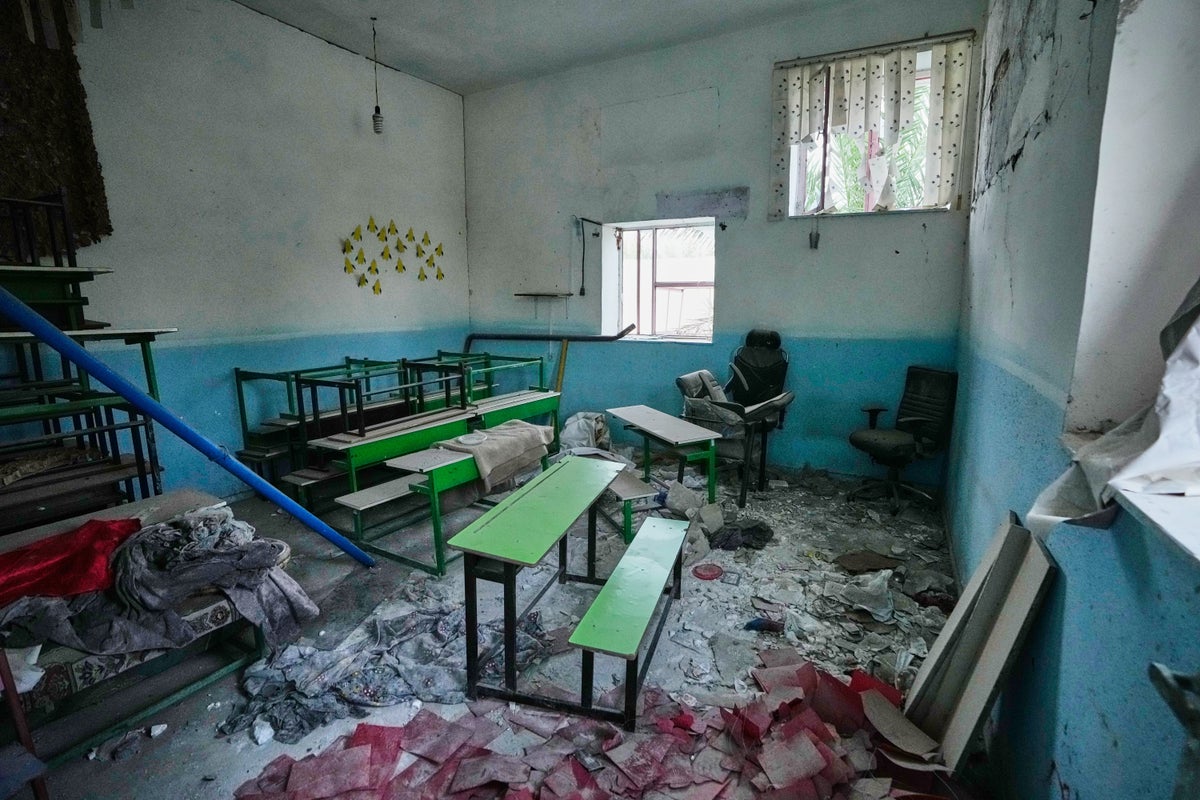
UN Panel Cites Grounds for US War Crimes in Iran Strikes
The Iran conflict enters a new phase focused on reconstruction after US strikes destroyed nuclear sites. UN experts cite possible US war crimes killing civilians while oil prices stay elevated.

Trump Warns of Tariffs as EU Offers Canada Associate Status
The EU invited Canada as its first associate member on defense and energy. Trump called it a hostile act and threatened new tariffs on Europe in response.

Southern Redistricting Tests Black Voter Turnout in Midterms
GOP spending heavily to protect Trump-won districts amid concerns in Georgia. Democrats see voting rights rulings boosting Black turnout in Southern races.
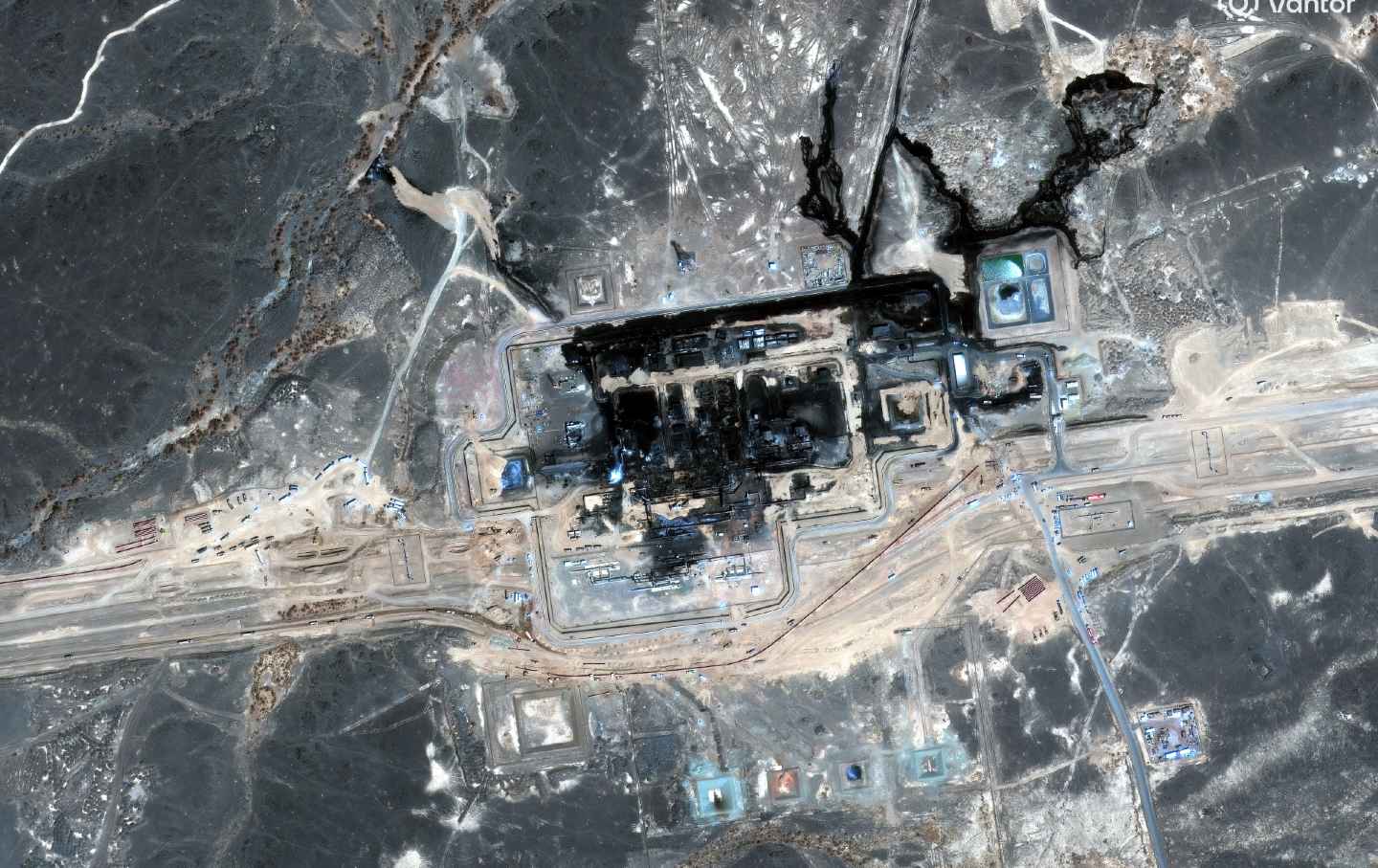
Minnesota Judge Warns ICE Order Violations Threaten Rule of Law
A federal judge warned ICE operations in Minnesota threaten the rule of law. The administration has frozen billions in grants with pediatricians raising health care access alarms.
The Compass
You just read five takes on one story.
What's your take? Find your political shape in a few minutes.
Take the test