
G7 Welcomes Iran Deal Outline but Presses for Lebanon Ceasefire
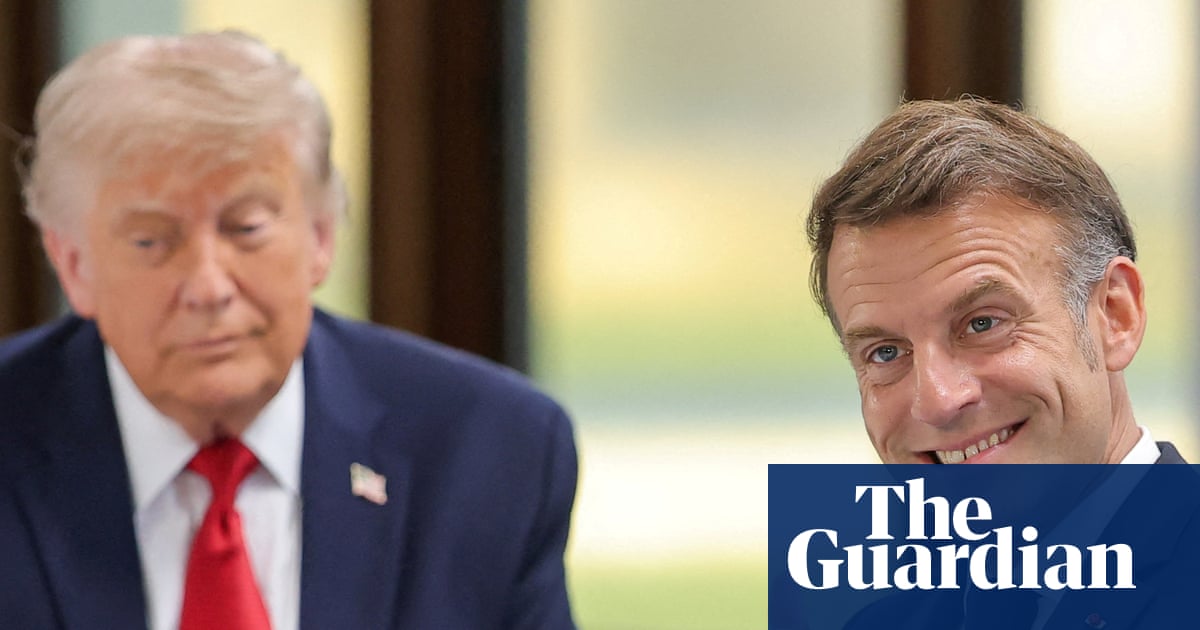
Cover image from theguardian.com, which was analyzed for this article
World leaders discuss Trump's Iran plan, US AI dominance, and global economic ripples from de-escalation, with mixed reactions and calls for further details on the deal.
PoliticalOS
Wednesday, June 17, 2026 — Politics
The G7 has endorsed an interim Iran ceasefire framework while insisting on Lebanese de-escalation, yet core issues including Israeli withdrawal, Iran's nuclear stockpile, and final terms remain unresolved and unpublicized. Parallel AI talks signal private-sector influence without settled regulatory outcomes.
What outlets missed
The G7 statement explicitly welcomed the interim deal and outlined allied readiness to assist implementation, details omitted or downplayed by outlets that led with uncertainty. Concrete references to a signed memorandum extending the ceasefire by 60 days and a Gulf-funded reconstruction package appeared in Reuters reporting but received little attention elsewhere. Parallel AI discussions at the summit were presented without verification of claimed export-control actions or model releases that do not appear in contemporaneous records.
Trump Faces Scrutiny Over Details of Iran Deal at G7 Summit
President Trump used the G7 summit in Evian-les-Bains to highlight a tentative agreement with Iran aimed at ending the recent war and reopening the Strait of Hormuz, yet the lack of public specifics has left allies and domestic critics pressing for clarity on implementation and enforcement. The memorandum of understanding, signed earlier this week, extends an April ceasefire by 60 days to allow for further negotiations, according to statements from both Washington and Tehran. G7 leaders welcomed the interim step in a joint declaration but stressed the need for additional talks on Iran’s ballistic missile program and a broader regional settlement.
The conflict, which has claimed more than 7,000 lives mostly in Iran and Lebanon, has disrupted global energy markets and contributed to declining approval ratings for Trump even among his political base. European participants at the summit expressed willingness to help secure shipping lanes once the strait reopens, with Britain and France expected to lead a monitoring coalition. At the same time, the leaders called explicitly for a ceasefire in Lebanon, where Israeli operations continue and where Iranian officials have conditioned any final accord on an Israeli withdrawal.
Trump described the agreement as moving forward on schedule during remarks Tuesday, noting that Iran seeks a return to normal economic activity. He also urged Israeli Prime Minister Benjamin Netanyahu to show greater restraint in Lebanon, describing their longstanding relationship as strong but in need of responsible calibration by Israel. Netanyahu faces his own political constraints at home after leading military campaigns in Gaza, Lebanon and Iran without decisive victories, a dynamic that has complicated coordination between Washington and Jerusalem.
Republican senators in Washington have echoed concerns about transparency. Figures such as Lindsey Graham have said they require detailed briefings before supporting final terms, pointing to discrepancies between Iranian and American descriptions of the deal’s scope. Iranian public sentiment, meanwhile, reflects exhaustion with prolonged conflict and skepticism that core issues such as sanctions relief or nuclear constraints have been resolved.
The summit also underscored Europe’s earlier exclusion from direct U.S.-Iran talks, raising questions about whether the negotiating teams possessed sufficient technical depth on nuclear and sanctions matters. G7 language on preventing Iran from acquiring a nuclear weapon signals continued alignment on that core objective, even as leaders diverge on the wisdom of the initial military campaign. Formal details of the agreement are now expected to be released in the coming days, with Trump scheduled to hold a press conference before returning to Washington.
You just read Liberal's take. Want to read what actually happened?
More in Politics
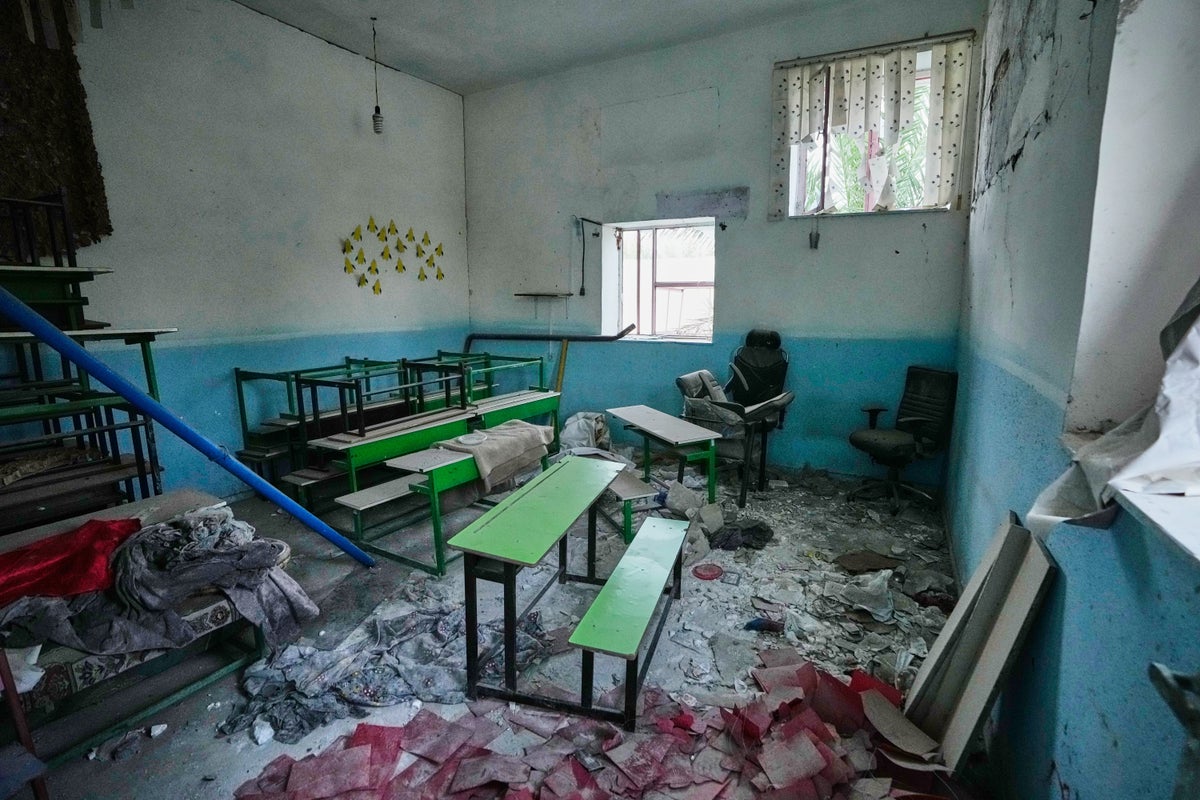
UN Panel Cites Grounds for US War Crimes in Iran Strikes
The Iran conflict enters a new phase focused on reconstruction after US strikes destroyed nuclear sites. UN experts cite possible US war crimes killing civilians while oil prices stay elevated.

Trump Warns of Tariffs as EU Offers Canada Associate Status
The EU invited Canada as its first associate member on defense and energy. Trump called it a hostile act and threatened new tariffs on Europe in response.

Southern Redistricting Tests Black Voter Turnout in Midterms
GOP spending heavily to protect Trump-won districts amid concerns in Georgia. Democrats see voting rights rulings boosting Black turnout in Southern races.
Minnesota Judge Warns ICE Order Violations Threaten Rule of Law
A federal judge warned ICE operations in Minnesota threaten the rule of law. The administration has frozen billions in grants with pediatricians raising health care access alarms.
The Compass
You just read five takes on one story.
What's your take? Find your political shape in a few minutes.
Take the test