
Trump Claims Hamas Deal on Phased Gaza Disarmament
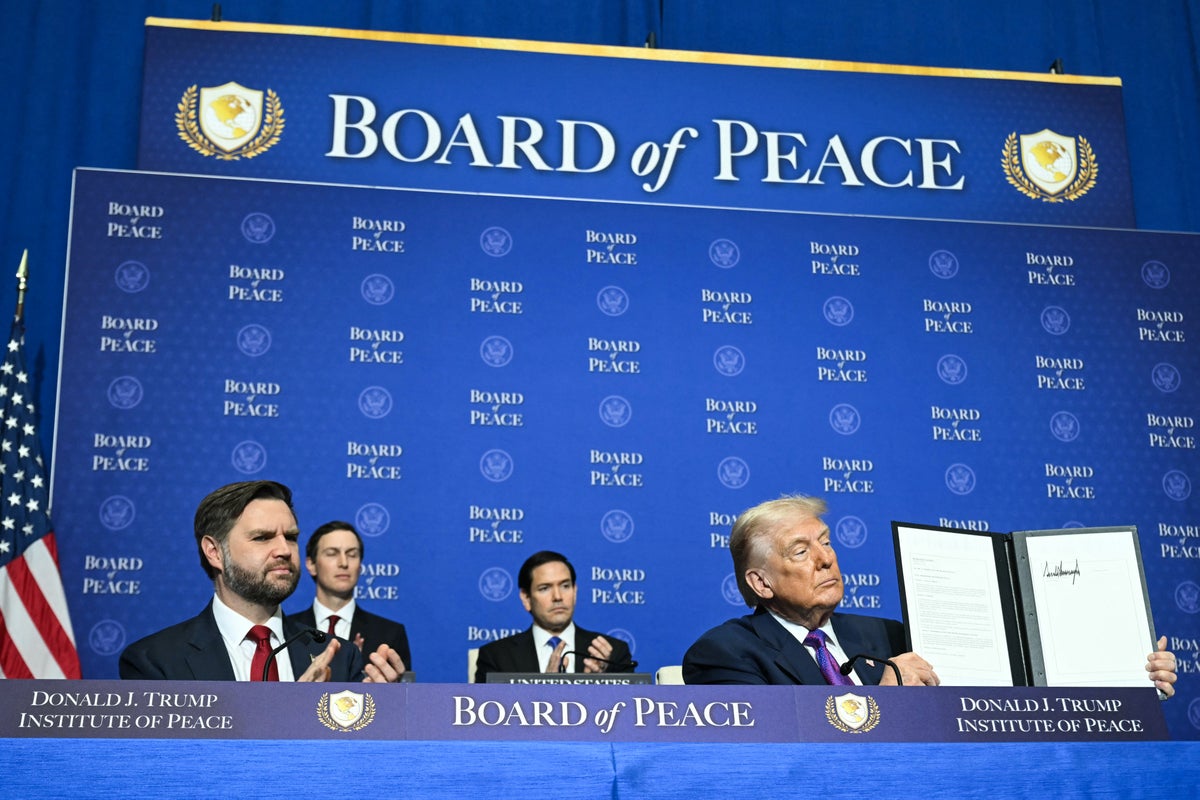
Cover image from independent.co.uk, which was analyzed for this article
Trump announces Hamas agreement on phased disarmament and next phase of Gaza peace, though implementation questions and skepticism remain.
PoliticalOS
Friday, July 31, 2026 — Politics
The core unresolved issue is sequencing: Hamas insists on Israeli withdrawal and aid increases before any disarmament begins, while Israeli officials demand full demilitarization first. Without mutual verification mechanisms that both sides accept, the roadmap remains conditional on steps neither party has yet committed to in public.
What outlets missed
Most coverage omitted the precise 14-day inventory deadline and the explicit prohibition on transferring weapons to any non-Palestinian party. Few outlets detailed the Board of Peace’s seven-member founding executive structure or the estimated 5,000-troop size of the stabilization force. The conditional linkage between each disarmament phase and a corresponding Israeli withdrawal line was mentioned only in passing, leaving readers without the mechanism that makes the deal sequential rather than simultaneous.
Trump Announces New Gaza Disarmament Deal but Hamas Demands Israeli Withdrawal First
President Donald Trump declared Thursday that his U.S.-led Board of Peace had secured a historic agreement for the complete disarmament of Hamas and other armed groups in Gaza. The announcement came more than nine months after a previous U.S.-brokered ceasefire took effect last October and follows repeated claims of progress that have yet to halt violence on the ground.
Trump described the plan as a monumental step toward lasting peace and security. Under the framework, Hamas would surrender weapons in phases while an International Stabilization Force and a new Palestinian police force assume security duties. Israeli forces would then withdraw from the territory as disarmament is verified. The deal also envisions reconstruction under a new Palestinian government working with the Board of Peace.
Hamas officials quickly clarified their position. Senior figure Ghazi Hamad told Reuters that the group would not disarm until Israel ends attacks, increases the flow of aid and goods, and completes its withdrawal as required by the earlier ceasefire. A senior Hamas official speaking to BBC News echoed that the group had agreed to the text of the plan but stressed that no steps would be taken unless Israel fulfills its obligations first. Israel has not yet publicly responded to the latest proposal.
The announcement revives a 20-point peace framework Trump advanced last fall. Mediators from Egypt, Qatar and Turkey helped finalize the text, according to U.S. and Board of Peace officials. Yet the timing raises familiar doubts. In October, Trump used similar language when the Board of Peace was first unveiled. Since then, Israeli attacks have killed at least 1,100 Palestinians, according to the Palestinian health ministry. Hamas has accused Israel of more than 3,500 violations of the existing ceasefire. Aid remains tightly restricted, and Israeli forces have expanded the so-called Yellow Line deeper into the strip, actions experts say breach prior commitments.
Gaza’s civilian population continues to bear the heaviest costs. Ninety percent of homes have been severely damaged or destroyed in the preceding campaign. A UN commission has already determined that the scale of destruction amounts to genocide. Reconstruction cannot begin in earnest while basic security guarantees remain unmet and while humanitarian supplies are still blocked at key crossings.
The sequence of steps remains a central sticking point. Trump’s plan calls for phased disarmament before full Israeli withdrawal. Hamas insists the reverse must occur first. Past experience has left Palestinian officials deeply skeptical that Israel will honor any timetable once weapons are surrendered. Similar sequencing disputes contributed to the collapse of earlier phases of the October 2025 ceasefire.
Trump needs visible progress ahead of midterm elections in three months. Continued fighting risks higher gas prices and renewed regional escalation involving Iran. Whether the latest announcement produces concrete movement or simply repeats the pattern of unfulfilled declarations will depend on whether both sides accept the conditions the other has set. For now, the agreement remains a set of texts negotiated through third parties, with no public confirmation from Israel and explicit conditions attached by Hamas.
You just read Progressive's take. Want to read what actually happened?
More in Politics
Democrats Flip Senate, Expand House Majority in Midterms
Democrats flipped the Senate and expanded their House majority in a major rebuke to President Trump and Republicans. Key victories included multiple Senate seats and state-level wins that ended long-standing GOP dominance in places like Texas.
GOP Losses Spur Blame, Vance Distancing, 2028 Maneuvers
Republicans are pointing fingers internally after heavy losses, with Vice President JD Vance distancing himself from Trump over the Iran war and positioning for a potential 2028 run. Challengers within the party are already sensing opportunity.
Democrats Take House and Senate Amid Record Midterm Turnout
Democrats achieved decisive gains in the 2026 midterms, flipping seats to take control of both chambers. Coverage highlights historic turnout and implications for the Trump administration.
Democrats Take House and Senate, Constraining Trump
Democrats flipped both the House and Senate in a major rebuke to President Trump and Republicans. The results create divided government and set up battles over spending, oversight, and foreign policy for the remainder of Trump's term.
The Compass
You just read five takes on one story.
What's your take? Find your political shape in a few minutes.
Take the test