
Trump-Backed Collins Wins Georgia Senate Runoff

Cover image from aljazeera.com, which was analyzed for this article
Rep. Mike Collins defeats rivals in Georgia GOP Senate runoff with Trump endorsement and will face Sen. Jon Ossoff in November. Mixed results for other Trump allies in state primaries.
PoliticalOS
Wednesday, June 17, 2026 — Politics
Mike Collins will face Jon Ossoff in November after a late Trump endorsement secured the Republican nomination, yet the same night showed that even substantial presidential support could not overcome a $100-million self-funded challenge in the governor’s race. The results illustrate both the reach and the boundaries of Trump’s sway inside Georgia Republican primaries.
What outlets missed
Exact vote percentages from the secretary of state’s office appeared in only one account. The compressed window between Trump’s endorsement and Election Day received uneven attention, leaving readers without a consistent sense of how little time the endorsement had to operate. Jackson’s record self-funding total and its comparison to rare prior examples of nine-figure personal spending were mentioned sporadically rather than placed in context across coverage.
Georgia Primaries Test Endorsement Power as Trump Ties Intelligence Pick to Voter ID Push
President Donald Trump postponed the confirmation process for Jay Clayton as director of national intelligence this week, holding the nomination in reserve to press Congress on a voter ID measure that has struggled to secure sufficient Republican support for passage. The move came hours before a scheduled hearing and left Bill Pulte in the acting role despite earlier bipartisan resistance to his intelligence background.
Primary contests across several states on Tuesday offered fresh evidence on the reach of presidential influence within Republican ranks. In Georgia, Representative Mike Collins secured the party's Senate nomination after defeating former football coach Derek Dooley in the runoff. Collins received a late endorsement from Trump and will face Democratic incumbent Jon Ossoff in November. Unofficial tallies showed Collins finishing with 55.5 percent of the vote once all precincts reported.
The outcome contrasted with the gubernatorial runoff in the same state, where healthcare executive Rick Jackson defeated Lieutenant Governor Burt Jones. Jackson spent more than 100 million dollars of his own funds and prevailed despite Trump's earlier backing of Jones. Observers noted that the scale of private spending appeared to offset the weight of the presidential nod in that contest. Collins, for his part, emphasized party unity after the results and avoided framing his victory solely around external support.
Separate runoffs elsewhere produced clearer alignment with Trump's preferences. Representative Barry Moore advanced comfortably in Alabama's Senate contest, while Trump-aligned candidates moved forward in Oklahoma Senate races that will require additional rounds. These patterns suggest that endorsement effects vary by race, funding environment, and local candidate strength rather than operating as a uniform force.
The president's decision to link the intelligence nomination to legislative action on voter identification reflects ongoing concerns over election administration. Proponents argue that uniform identification requirements reduce opportunities for fraud and increase public confidence in outcomes, a position backed by multiple state-level implementations that have shown minimal suppression of legitimate turnout when paired with accessible verification options. Resistance in Congress has centered on procedural objections and competing priorities, leaving the measure short of the votes needed for advancement.
Taken together, the week's developments illustrate how institutional leverage and campaign resources interact with voter preferences. Georgia's split results underscore that large-scale self-funding can blunt centralized influence in primaries, while the stalled intelligence nomination highlights the use of appointment power to advance measures aimed at tightening election rules. November's general elections will provide the next test of whether these dynamics translate into durable shifts in congressional control.
You just read Conservative's take. Want to read what actually happened?
More in Politics
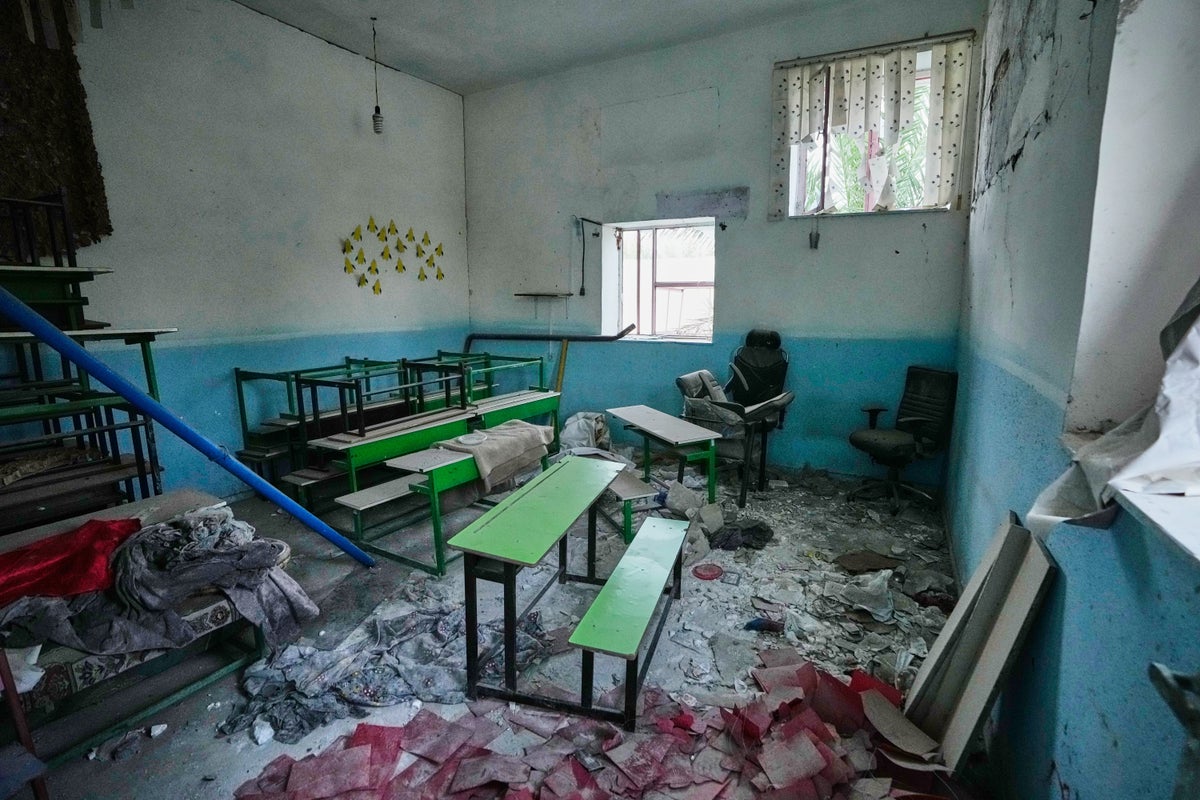
UN Panel Cites Grounds for US War Crimes in Iran Strikes
The Iran conflict enters a new phase focused on reconstruction after US strikes destroyed nuclear sites. UN experts cite possible US war crimes killing civilians while oil prices stay elevated.

Trump Warns of Tariffs as EU Offers Canada Associate Status
The EU invited Canada as its first associate member on defense and energy. Trump called it a hostile act and threatened new tariffs on Europe in response.

Southern Redistricting Tests Black Voter Turnout in Midterms
GOP spending heavily to protect Trump-won districts amid concerns in Georgia. Democrats see voting rights rulings boosting Black turnout in Southern races.
Minnesota Judge Warns ICE Order Violations Threaten Rule of Law
A federal judge warned ICE operations in Minnesota threaten the rule of law. The administration has frozen billions in grants with pediatricians raising health care access alarms.
The Compass
You just read five takes on one story.
What's your take? Find your political shape in a few minutes.
Take the test