
Trump-Backed Collins Wins Georgia Senate Runoff

Cover image from aljazeera.com, which was analyzed for this article
Rep. Mike Collins defeats rivals in Georgia GOP Senate runoff with Trump endorsement and will face Sen. Jon Ossoff in November. Mixed results for other Trump allies in state primaries.
PoliticalOS
Wednesday, June 17, 2026 — Politics
Mike Collins will face Jon Ossoff in November after a late Trump endorsement secured the Republican nomination, yet the same night showed that even substantial presidential support could not overcome a $100-million self-funded challenge in the governor’s race. The results illustrate both the reach and the boundaries of Trump’s sway inside Georgia Republican primaries.
What outlets missed
Exact vote percentages from the secretary of state’s office appeared in only one account. The compressed window between Trump’s endorsement and Election Day received uneven attention, leaving readers without a consistent sense of how little time the endorsement had to operate. Jackson’s record self-funding total and its comparison to rare prior examples of nine-figure personal spending were mentioned sporadically rather than placed in context across coverage.
Trump Links Intelligence Post to Voter ID Push as Georgia Tests His Influence
President Donald Trump moved on Wednesday to slow the confirmation process for Jay Clayton as director of national intelligence, holding open the possibility that he will keep housing official Bill Pulte in the acting role. The decision, Trump said in a social media post, stems from stalled progress on a voter identification measure that lacks sufficient Republican support to clear the Senate. By delaying Clayton’s hearing, the White House is seeking to restore leverage over wavering GOP lawmakers who had previously agreed to tie FISA reauthorization to the voting bill.
The maneuver comes against the backdrop of Tuesday’s Republican primaries in Georgia, where Trump’s record of shaping nominations again proved uneven. Representative Mike Collins defeated former football coach Derek Dooley in the Senate runoff, securing the nomination to challenge Democratic incumbent Jon Ossoff. Collins received a late endorsement from the president, yet the margin remained modest in a contest that also featured support for Dooley from Governor Brian Kemp. In the gubernatorial runoff, health care executive Rick Jackson overcame Trump-backed Lieutenant Governor Burt Jones after spending roughly one hundred million dollars of his own funds, demonstrating the limits of presidential preference when matched against large-scale self-financing.
These outcomes illustrate a recurring pattern in which Trump’s choices prevail in lower-profile or deeply conservative districts but face resistance in statewide races where independent financial resources and local party networks remain intact. Collins’s victory preserves a Trump-aligned candidate for the general election in a state that remains competitive, while Jackson’s win removes a preferred successor from contention and underscores how primary voters weigh personal wealth against national endorsements. Similar dynamics appeared in Alabama, where Trump-backed Representative Barry Moore advanced, yet even there outside spending from a pro-cryptocurrency group supplemented the president’s support.
The intelligence nomination delay reflects a broader calculation about legislative sequencing. With Democrats indicating they may withhold support for FISA changes absent movement on voter ID, Trump is using the Pulte appointment as temporary leverage to keep Republican senators focused on the voting measure. Clayton, currently the U.S. attorney for the Southern District of New York, had been positioned as a consensus alternative after earlier resistance to Pulte’s lack of intelligence experience. By pausing that transition, the administration is signaling that procedural tools remain available to enforce party-line priorities ahead of the November midterms.
Control of the Senate will determine whether such leverage can be sustained into the final two years of Trump’s term. Collins’s matchup against Ossoff is already expected to draw heavy outside spending, and the outcome will test whether Republican gains in other states can offset potential losses in battlegrounds where Trump’s influence has shown measurable but incomplete reach. The Georgia results, paired with the intelligence maneuver, highlight how nomination fights and primary spending interact to shape the practical boundaries of presidential power within a narrowly divided Congress.
You just read Liberal's take. Want to read what actually happened?
More in Politics
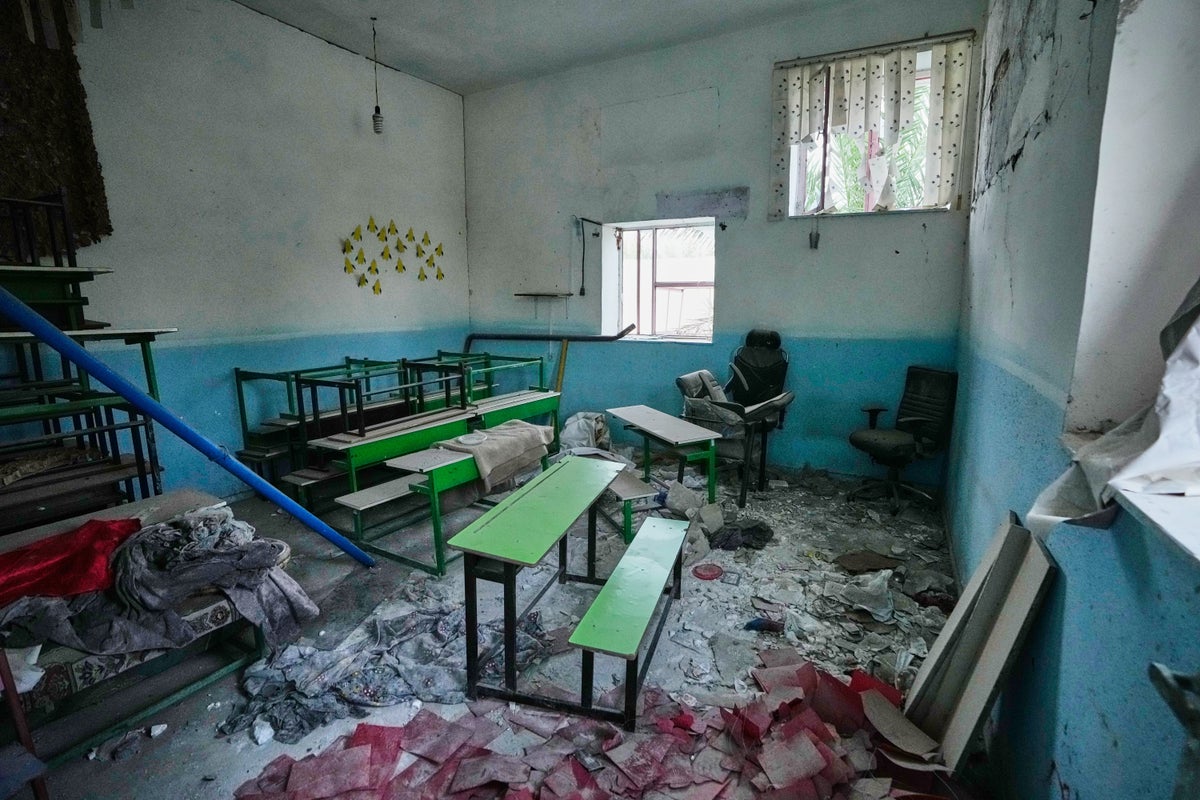
UN Panel Cites Grounds for US War Crimes in Iran Strikes
The Iran conflict enters a new phase focused on reconstruction after US strikes destroyed nuclear sites. UN experts cite possible US war crimes killing civilians while oil prices stay elevated.

Trump Warns of Tariffs as EU Offers Canada Associate Status
The EU invited Canada as its first associate member on defense and energy. Trump called it a hostile act and threatened new tariffs on Europe in response.

Southern Redistricting Tests Black Voter Turnout in Midterms
GOP spending heavily to protect Trump-won districts amid concerns in Georgia. Democrats see voting rights rulings boosting Black turnout in Southern races.

Minnesota Judge Warns ICE Order Violations Threaten Rule of Law
A federal judge warned ICE operations in Minnesota threaten the rule of law. The administration has frozen billions in grants with pediatricians raising health care access alarms.
The Compass
You just read five takes on one story.
What's your take? Find your political shape in a few minutes.
Take the test