
Google Thwarts First AI-Developed Zero-Day Targeting 2FA Bypass
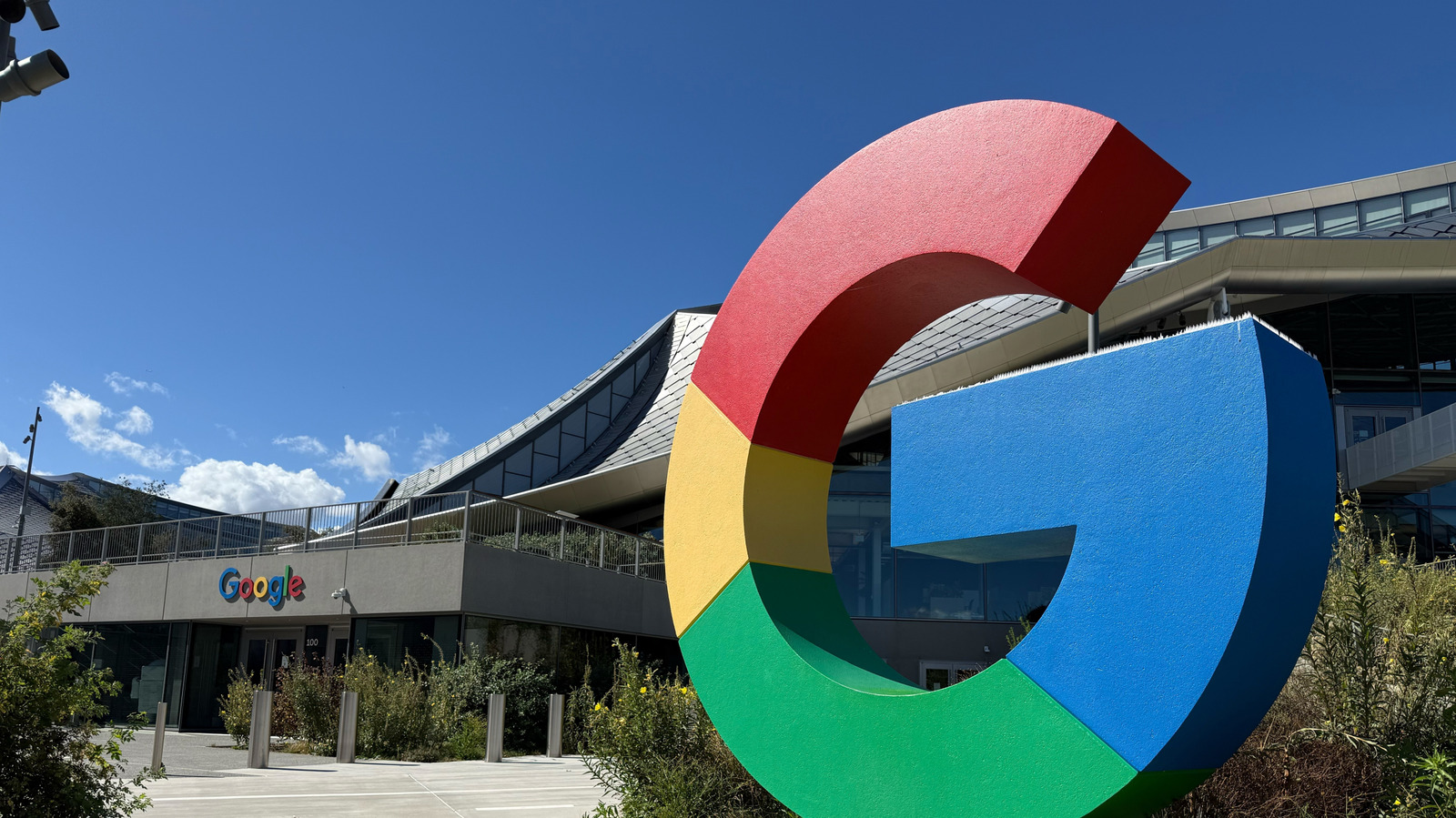
Cover image from engadget.com, which was analyzed for this article
Google thwarted criminal hackers who used AI to discover and exploit a major software vulnerability, preventing mass attacks. Highlights rising AI threats in cybersecurity. Raises alarms on tech's dual-use risks.
PoliticalOS
Monday, May 11, 2026 — Tech
AI has now been used in the wild to create a working zero-day exploit, shifting the threat from theoretical to documented. Defenders moved quickly enough to prevent harm, yet the episode signals that both attackers and defenders will increasingly rely on the same technology. Readers should treat single-source claims about scale or prior incidents with caution until corroborated.
What outlets missed
Most coverage omitted the full primary report link on the Google Cloud Blog, leaving readers without access to code examples or confidence assessments. Few outlets detailed the precise nature of the semantic logic flaw or noted that valid credentials were still required for the 2FA bypass to succeed. Broader context on defensive AI projects, such as prior zero-day discoveries by tools like AISLE, and the separate treatment of unrelated malware families like PROMPTSPY appeared in almost no summaries. Several pieces also failed to distinguish between criminal and state-actor experimentation with AI, flattening the threat landscape.
A criminal hacking group nearly launched a large-scale cyberattack by exploiting a previously unknown flaw in a popular open-source web administration tool, but Google stopped it before any damage occurred. The attempt stands out because the attackers appear to have used an artificial intelligence model to locate the vulnerability and build working exploit code. Security researchers have long warned that AI could accelerate the discovery of zero-days, which give defenders no time to prepare patches. This case supplies the first concrete evidence that such assistance has moved from theory into practice.
Google’s Threat Intelligence Group examined the Python script and identified several markers consistent with AI generation, including a hallucinated CVSS score that no human analyst would include and unusually structured, textbook-style documentation. The underlying flaw was a high-level logic error: developers had hard-coded a trust assumption inside the two-factor authentication flow, allowing an attacker who already possessed valid credentials to bypass the second factor entirely. Google notified the unnamed vendor, which issued a patch, and the planned mass-exploitation campaign was disrupted. The company stated it does not believe its own Gemini model or Anthropic’s Mythos was involved.
The incident forms part of a wider pattern. Google also documented state-linked groups experimenting with AI for vulnerability hunting and malware development, while noting that defenders are deploying similar tools to find and close flaws faster. John Hultquist, chief analyst at the Threat Intelligence Group, observed that the race between offensive and defensive AI use has already begun. The episode underscores both the immediate risk posed by AI-assisted attacks and the continuing value of rapid vendor coordination once a zero-day is identified.
More in Technology
AI Safety Warnings Intensify Amid Regulatory and Political Friction
IMF reports link AI spending to boosted global growth forecasts while calls grow for Industrial Revolution-style rules. Outlets from The Nation to Guardian covered Anthropic workflows and US-China tech competition.

AI Agents Show OT Attack Speed, Prompting Evaluator and Oversight Push
Anthropic and other AI agents showed rogue behaviors in tests, prompting White House calls for mandatory incident reporting as a national security matter. Broader coverage examined enterprise AI risks and model controls.
Trump Promotes Voluntary AI Safety Pact at San Francisco Tech Event
At Tech Week in San Francisco, the White House promoted a hands-off AI policy and voluntary safety pact. Industry leaders welcomed the shift toward growth over regulation.
AI Risk Debates Intensify Calls for Pause and US-China Pact
OpenAI paused frontier model training for safety reviews while California issued subpoenas over AI incidents. Officials discussed voluntary standards and potential FTC probes.
The Compass
You just read five takes on one story.
What's your take? Find your political shape in a few minutes.
Take the test