
Hegseth Launches Six-Month Review of U.S. Forces in Europe

Cover image from foxnews.com, which was analyzed for this article
Defense Secretary Hegseth announced a six-month review of US forces in Europe and criticized NATO allies for insufficient defense spending. The move signals potential shifts in American military commitments abroad.
PoliticalOS
Thursday, June 18, 2026 — Politics
The United States is conditioning future force levels in Europe on measurable increases in allied spending and operational support. European allies have raised outlays but face an explicit six-month test whose outcome could alter long-standing U.S. commitments.
What outlets missed
Most reports omitted that the United States has already reduced its assigned contributions to NATO crisis forces effective immediately, not merely announced a future review. Few detailed the Nuclear Planning Group’s first statement in 19 years or the administration’s explicit goal of reallocating assets for potential simultaneous conflicts with China. Coverage rarely named specific countries that denied basing or overflight during Iran-related operations, leaving the scale of the dispute unquantified. The 5 percent GDP spending target and its 3.5 percent core-defense component received inconsistent emphasis across outlets.
Hegseth Launches Six-Month Review of US Forces in Europe
War Secretary Pete Hegseth announced Thursday a Pentagon review of American military deployments across Europe, setting a six-month deadline for NATO partners to demonstrate they can shoulder primary responsibility for the continent's defense. The review, described by Hegseth as a practical assessment rather than a formality, will evaluate force posture, basing arrangements, and allied contributions in light of recent events.
Speaking at NATO headquarters in Brussels, Hegseth stressed that the alliance must shift from one-sided reliance on American resources. "This will be a real review," he said. "It will be designed to ensure that NATO is moving fast and irreversibly toward Europe leading, stepping up to take primary responsibility for the defense of Europe." He noted that outcomes would differ by country, with some passing and others falling short based on concrete actions rather than pledges.
Central to the remarks was the refusal by several European governments to grant American forces access to bases and overflight rights during operations against Iran. Hegseth called the denials shameful and said they exposed American personnel to unnecessary hazards. The episode served as a clear test of alliance commitments, he argued, and revealed that some partners viewed support as optional once costs became immediate.
Hegseth tied the review to broader patterns in European policy choices. Resources that could have gone toward tanks, fighters, and air defenses had instead supported expanded welfare systems, gender-focused initiatives, climate measures, and open migration policies. These priorities, he observed, left defense budgets thin and left the United States covering gaps that European nations had long promised to close. The secretary pointed out that predictable access to facilities should never have required debate during active operations.
The announcement follows repeated calls from the Trump administration for allies to meet higher spending thresholds and reduce dependence on American troops and equipment. Hegseth indicated the review would incorporate input from European Command and congressional consultations but would not be bound by past assumptions about permanent US presence. Allies that increase their own capabilities and demonstrate willingness to share operational burdens are expected to fare better in the assessment.
European defense spending has risen in recent years, yet the gap between commitments and actual readiness remains wide by historical standards. The review aims to measure whether those increases translate into genuine capacity to deter threats without defaulting to American forces. Countries willing to align priorities with security needs rather than domestic social programs will face fewer questions about continued US involvement.
Hegseth's statements reflect an insistence that alliances function as mutual arrangements, not indefinite subsidies. The six-month timeline will force decisions on basing and troop levels that have lingered for decades. Results will hinge on actions taken in the coming months rather than further statements of solidarity.
You just read Conservative's take. Want to read what actually happened?
More in Politics

GOP Candidates Distance From Trump on Tariffs Amid Midterm Pressures
Some Republican candidates are distancing from Trump on issues like immigration enforcement and tariffs, while super PACs pour money into races amid signs of voter fatigue with certain GOP messages.
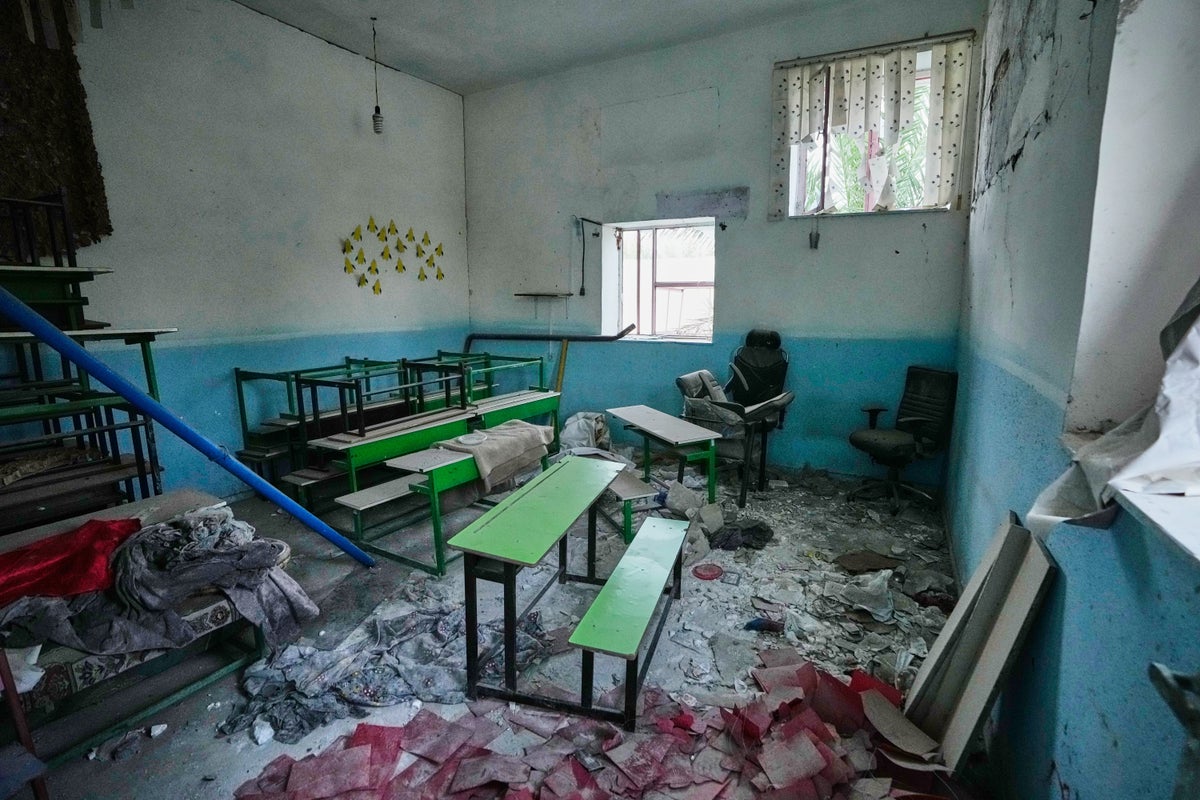
UN Panel Cites Grounds for US War Crimes in Iran Strikes
The Iran conflict enters a new phase focused on reconstruction after US strikes destroyed nuclear sites. UN experts cite possible US war crimes killing civilians while oil prices stay elevated.

Trump Warns of Tariffs as EU Offers Canada Associate Status
The EU invited Canada as its first associate member on defense and energy. Trump called it a hostile act and threatened new tariffs on Europe in response.

Southern Redistricting Tests Black Voter Turnout in Midterms
GOP spending heavily to protect Trump-won districts amid concerns in Georgia. Democrats see voting rights rulings boosting Black turnout in Southern races.
The Compass
You just read five takes on one story.
What's your take? Find your political shape in a few minutes.
Take the test