
Hegseth Launches Six-Month Review of U.S. Forces in Europe

Cover image from foxnews.com, which was analyzed for this article
Defense Secretary Hegseth announced a six-month review of US forces in Europe and criticized NATO allies for insufficient defense spending. The move signals potential shifts in American military commitments abroad.
PoliticalOS
Thursday, June 18, 2026 — Politics
The United States is conditioning future force levels in Europe on measurable increases in allied spending and operational support. European allies have raised outlays but face an explicit six-month test whose outcome could alter long-standing U.S. commitments.
What outlets missed
Most reports omitted that the United States has already reduced its assigned contributions to NATO crisis forces effective immediately, not merely announced a future review. Few detailed the Nuclear Planning Group’s first statement in 19 years or the administration’s explicit goal of reallocating assets for potential simultaneous conflicts with China. Coverage rarely named specific countries that denied basing or overflight during Iran-related operations, leaving the scale of the dispute unquantified. The 5 percent GDP spending target and its 3.5 percent core-defense component received inconsistent emphasis across outlets.
Defense Secretary Unveils Timeline for Shrinking U.S. Military Footprint in Europe
Defense Secretary Pete Hegseth told NATO counterparts in Brussels on Thursday that the Pentagon will complete a six-month assessment of American forces stationed across the continent, with the explicit goal of shifting primary responsibility for European security to European governments themselves.
Hegseth described the effort as the “NATO 3.0 review” and said its conclusions would hinge on how quickly allies increase their own capabilities. The review will examine basing, fighter squadrons, bomber rotations, submarine deployments and other assets, and it will incorporate input from U.S. European Command and Congress. Officials indicated the process could finish sooner than six months if European progress proves sufficient.
The announcement comes against the backdrop of the recent U.S.-Israeli military campaign against Iran. Hegseth singled out several allies that declined requests for base access and overflight rights during the operation, calling the refusals “shameful” and arguing that they placed American personnel at unnecessary risk. Some governments later offered to assist with maritime security in the Strait of Hormuz after hostilities ended, but that distinction did little to soften the administration’s critique.
The remarks fit a broader pattern of pressure from the Trump administration for greater European defense spending. Last year NATO members pledged to raise outlays, and alliance data show they added roughly $90 billion in new funding—an increase of about 20 percent over 2024 levels. Hegseth nevertheless set a higher bar, repeating earlier calls for a minimum of 3.5 percent of GDP devoted to defense and signaling that Washington would prioritize cooperation with countries meeting that threshold.
European officials have pointed to concrete steps already under way: Germany’s decision to exceed the old 2 percent target, Poland’s rapid expansion of its army, and joint procurement initiatives for air defense and artillery. Yet Hegseth’s speech also faulted European governments for what he described as misplaced priorities—migration policy, gender initiatives and climate programs—over traditional military readiness. Those comments echoed earlier statements by Vice President JD Vance and drew immediate pushback from several capitals, where officials noted that recent budget increases have occurred alongside continued social spending.
The review is expected to produce recommendations on which U.S. units could be withdrawn or reallocated if European forces demonstrate they can cover critical missions. Administration officials have framed the exercise as restoring balance to an alliance they argue has long functioned as a one-way street. Critics within NATO worry that abrupt changes could weaken deterrence on the eastern flank at a moment when Russian forces remain active in Ukraine.
How the six-month assessment unfolds will depend in part on classified military judgments about European readiness and on political negotiations with Congress, which retains authority over force-structure decisions. For now, the Pentagon has signaled that the direction of travel is toward a smaller, more selective American presence on the continent, calibrated to the willingness of allies to assume greater burdens.
You just read Liberal's take. Want to read what actually happened?
More in Politics

GOP Candidates Distance From Trump on Tariffs Amid Midterm Pressures
Some Republican candidates are distancing from Trump on issues like immigration enforcement and tariffs, while super PACs pour money into races amid signs of voter fatigue with certain GOP messages.
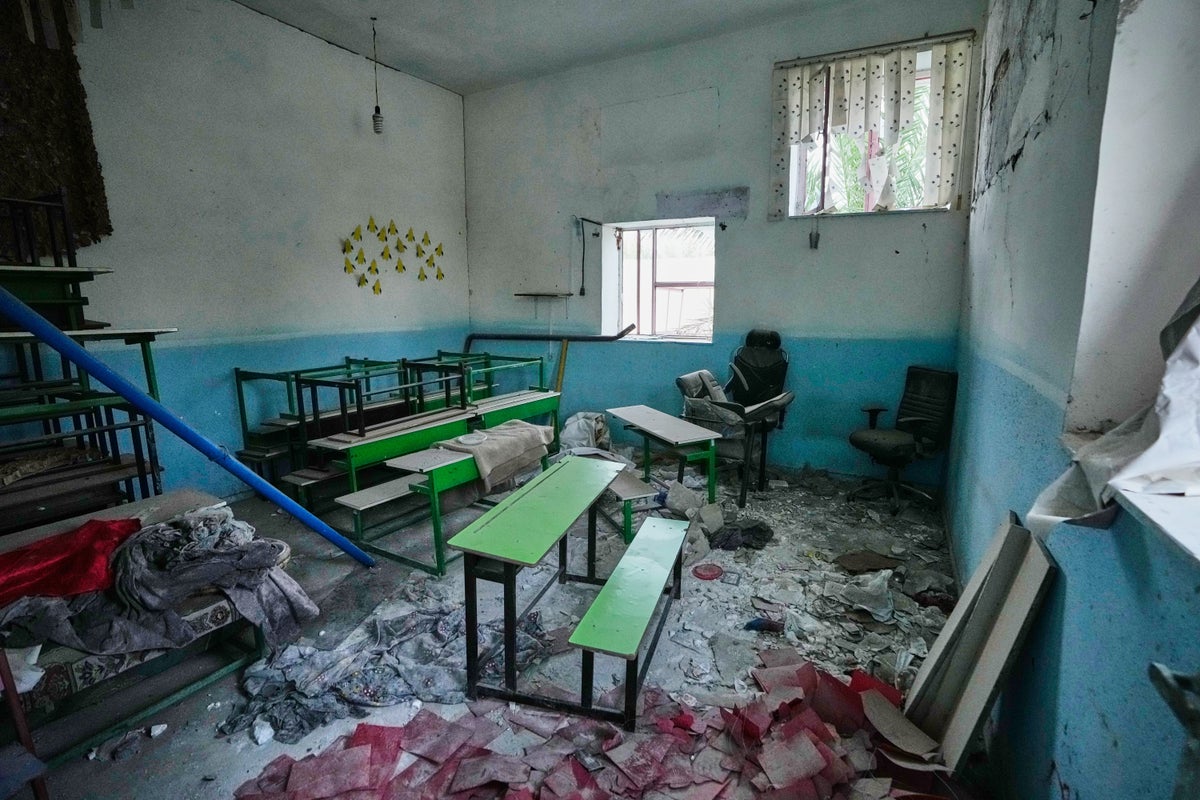
UN Panel Cites Grounds for US War Crimes in Iran Strikes
The Iran conflict enters a new phase focused on reconstruction after US strikes destroyed nuclear sites. UN experts cite possible US war crimes killing civilians while oil prices stay elevated.

Trump Warns of Tariffs as EU Offers Canada Associate Status
The EU invited Canada as its first associate member on defense and energy. Trump called it a hostile act and threatened new tariffs on Europe in response.

Southern Redistricting Tests Black Voter Turnout in Midterms
GOP spending heavily to protect Trump-won districts amid concerns in Georgia. Democrats see voting rights rulings boosting Black turnout in Southern races.
The Compass
You just read five takes on one story.
What's your take? Find your political shape in a few minutes.
Take the test