
Hegseth Launches Six-Month Review of U.S. Forces in Europe

Cover image from foxnews.com, which was analyzed for this article
Defense Secretary Hegseth announced a six-month review of US forces in Europe and criticized NATO allies for insufficient defense spending. The move signals potential shifts in American military commitments abroad.
PoliticalOS
Thursday, June 18, 2026 — Politics
The United States is conditioning future force levels in Europe on measurable increases in allied spending and operational support. European allies have raised outlays but face an explicit six-month test whose outcome could alter long-standing U.S. commitments.
What outlets missed
Most reports omitted that the United States has already reduced its assigned contributions to NATO crisis forces effective immediately, not merely announced a future review. Few detailed the Nuclear Planning Group’s first statement in 19 years or the administration’s explicit goal of reallocating assets for potential simultaneous conflicts with China. Coverage rarely named specific countries that denied basing or overflight during Iran-related operations, leaving the scale of the dispute unquantified. The 5 percent GDP spending target and its 3.5 percent core-defense component received inconsistent emphasis across outlets.
Hegseth Launches Pentagon Review of US Forces in Europe While Scolding NATO Allies
In Brussels on Thursday, War Secretary Pete Hegseth announced a six-month Pentagon review of American military posture across Europe and used the platform to sharply criticize NATO partners for insufficient support during the recent US and Israeli conflict with Iran. The review, which Hegseth labeled the NATO 3.0 assessment, will examine US force levels including fighter jets, bombers and submarines, with the explicit goal of shifting primary defense responsibilities to European nations.
Hegseth told allied defense ministers that the outcome would hinge on how quickly Europe increases its own military contributions. Some countries will fail the review while others pass with flying colors, he stated, adding that the process is intended to push NATO irreversibly toward European leadership on continental security. The announcement builds on months of Trump administration demands for higher defense spending by allies, including a proposed minimum of 3.5 percent of GDP.
Central to Hegseth's remarks was the refusal by several European governments to grant US forces access to bases or airspace for operations against Iran. He described the denials as shameful and accused those nations of placing American troops at unnecessary risk by withholding predictable support. European offers to assist with shipping protection in the Strait of Hormuz after the fighting ended did not satisfy the administration's expectations for wartime cooperation.
Hegseth extended his criticism beyond defense matters to broader European policies. He pointed to what he called an overemphasis on migration, gender equity, climate initiatives and welfare expansion at the expense of military readiness. Such priorities, he argued, have weakened Europe's ability to defend itself and strained the transatlantic relationship. The comments echoed earlier critiques from Vice President JD Vance and drew immediate pushback from observers who noted that NATO members have recently increased defense outlays by roughly 20 percent, adding 90 billion dollars last year alone.
The review process will incorporate input from US European Command and consultations with Congress and allies, though Hegseth stressed it would remain substantive rather than symbolic. The Trump administration has long framed NATO as a two-way street requiring greater burden sharing from European capitals. Several allies have already committed to sustained spending growth following years of pressure, yet the latest statements suggest Washington views those steps as inadequate.
Critics of the approach warn that public rebukes and the threat of reduced US presence could further erode alliance cohesion at a time of ongoing global tensions. European officials have pointed to their rapid response to recent security challenges as evidence of commitment, even as they navigate domestic political constraints on military budgets. Hegseth's appearance in Brussels nonetheless signaled that the administration intends to maintain leverage through the review timeline, with potential adjustments to basing and deployments to follow.
You just read Progressive's take. Want to read what actually happened?
More in Politics
UN Panel Cites Grounds for US War Crimes in Iran Strikes
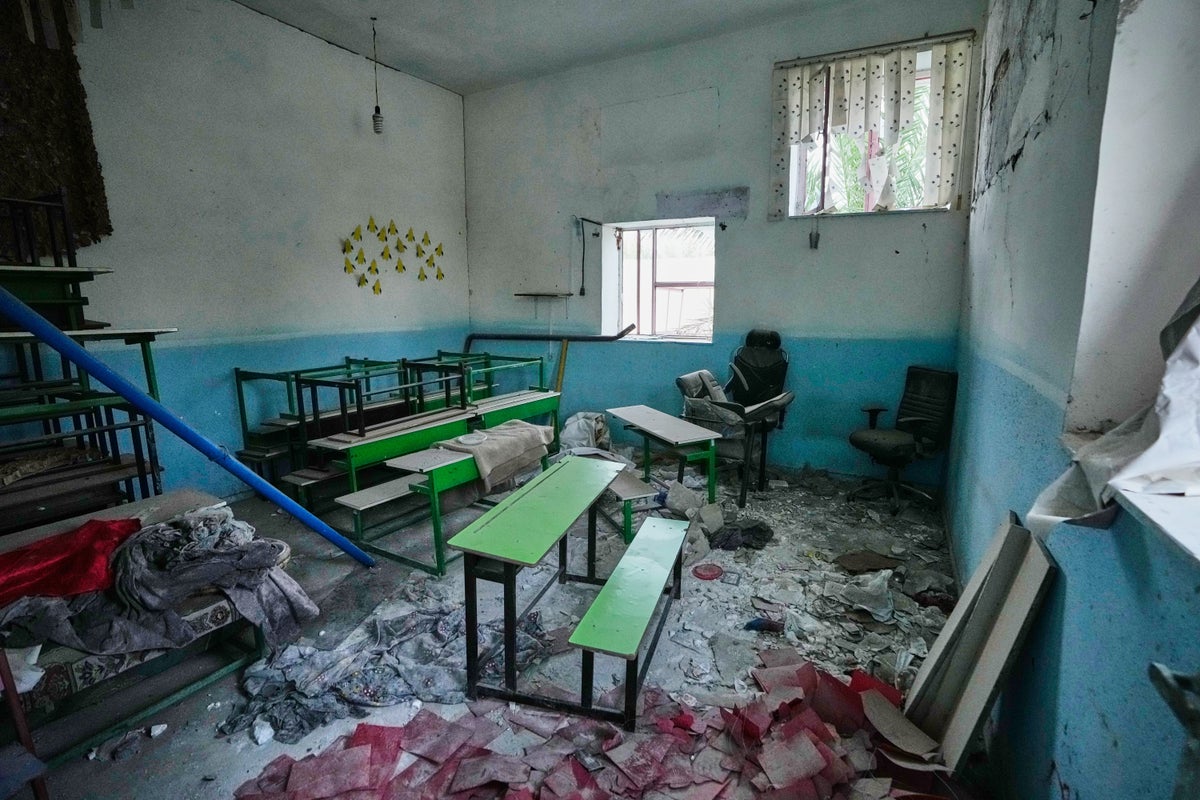
The Iran conflict enters a new phase focused on reconstruction after US strikes destroyed nuclear sites. UN experts cite possible US war crimes killing civilians while oil prices stay elevated.

Trump Warns of Tariffs as EU Offers Canada Associate Status
The EU invited Canada as its first associate member on defense and energy. Trump called it a hostile act and threatened new tariffs on Europe in response.

Southern Redistricting Tests Black Voter Turnout in Midterms
GOP spending heavily to protect Trump-won districts amid concerns in Georgia. Democrats see voting rights rulings boosting Black turnout in Southern races.
Minnesota Judge Warns ICE Order Violations Threaten Rule of Law
A federal judge warned ICE operations in Minnesota threaten the rule of law. The administration has frozen billions in grants with pediatricians raising health care access alarms.
The Compass
You just read five takes on one story.
What's your take? Find your political shape in a few minutes.
Take the test