
U.S. Clears Hormuz Mines, Boosts Oil Flow Under Blockade
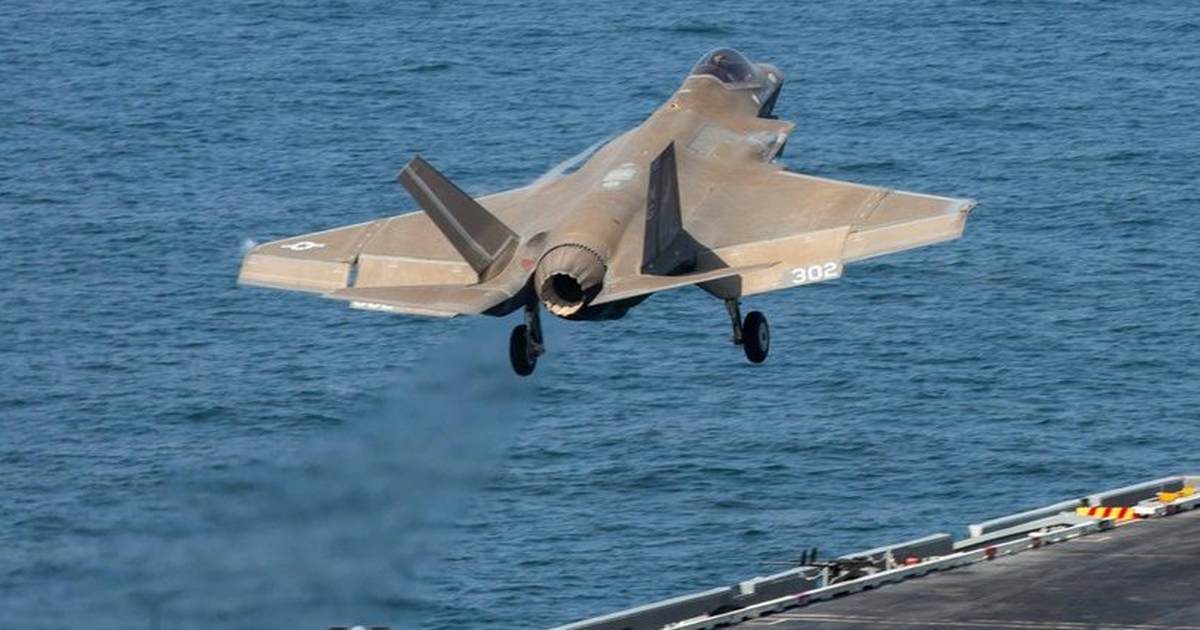
Cover image from redstate.com, which was analyzed for this article
Treasury Secretary Bessent claimed new pipelines will make the Strait irrelevant in two years amid Iran tensions. Experts question the timeline.
PoliticalOS
Friday, August 28, 2026 — Business
U.S. forces have cleared mines and increased tanker traffic through the strait, yet reported volumes remain below pre-war levels and face expert doubts. The situation remains contested rather than resolved, with diplomatic talks ongoing and long-term bypass options unexamined in coverage.
What outlets missed
Neither outlet examined Treasury Secretary Bessent’s separate statements on new pipelines intended to bypass the strait within two years. Independent maritime data on actual daily volumes and insurance costs for transits received little attention. Details on munitions constraints that may have shaped U.S. acceptance of partial concessions also went unmentioned. Long-term effects on Iranian oil revenue and currency stability beyond immediate blockade claims remained unexplored.
Global oil markets face continued pressure from restricted flows through the Strait of Hormuz, where U.S. forces report clearing Iranian-laid mines and guiding tankers past threats. The waterway carries a significant share of world crude, and any sustained reopening affects prices that spiked earlier in the conflict. CENTCOM commander Adm. Brad Cooper stated that international shipping lanes are now free of mines after operations involving Navy divers, SEALs, airpower and drones, with more than 200 mine-like objects removed and 11 confirmed as actual mines. U.S. officials described nightly transits of 20 to 30 tankers carrying 9 to 10 million barrels through a southern channel, roughly half pre-war volume, while turning away 75 vessels and disabling three others attempting to breach the blockade on Iranian ports. Treasury Secretary Scott Bessent reported 130 million barrels moved in the past two weeks under Operation Economic Outcast. Axios cited anonymous U.S. officials saying only 2 percent of recent transits were hit and that Iran’s response has been limited. Oil experts and tanker trackers questioned whether the reported volumes match independent data, noting periodic strikes on vessels and incomplete clearance. Diplomatic efforts involving Qatar, Oman and Pakistan continue without agreement, as both sides maintain competing demands. Pre-war Brent crude traded near $72 a barrel before rising above $126 during peak disruptions.
More in Business & Economy

AI Companies Weigh Early IPOs as Risks Mount
Nasdaq fell sharply amid concerns over AI spending sustainability and data center costs; Nvidia, Meta, and others were hit as Meta and Tesla reported earnings.

Stocks Rise on Earnings as Home Sales Hit Low
Major indices closed mixed to higher, led by healthcare and defensive stocks, as companies like Eli Lilly and UnitedHealth reported strong results. Pending home sales hit record lows.

US Stocks Mixed as Tech Rebounds on AI Optimism
The Dow slipped slightly while the S&P 500 and Nasdaq rose, led by Nvidia, AMD, and Intel gains on renewed AI sector confidence after prior drops. Broader market volatility tied to earnings and data center demand.

Trump Unveils $8 Billion Diesel Relief for Farmers
The Agriculture Department launched the program to offset record diesel prices for farmers, framed as economic aid and a midterm pitch in Kansas amid ongoing inflation and energy cost pressures.
The Compass
You just read five takes on one story.
What's your take? Find your political shape in a few minutes.
Take the test