
US-Canada Tariffs Hit 50% on Steel, Dairy and Alcohol
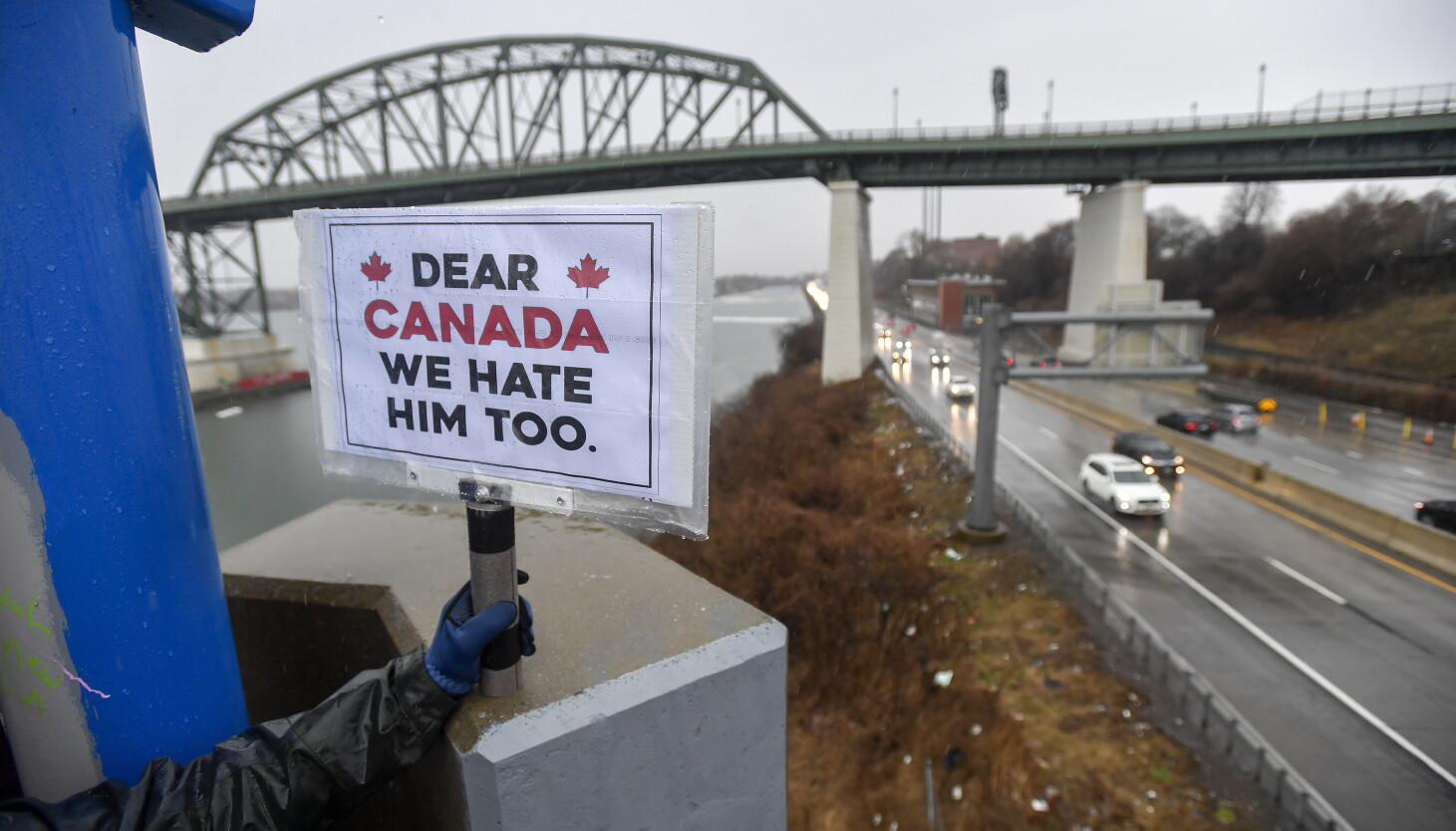
Cover image from chicago.suntimes.com, which was analyzed for this article
The US imposed tariffs up to 50% on Canadian goods prompting reciprocal measures, with analysts predicting eventual compromise amid deep economic ties. Alcohol and other sectors face direct impacts.
PoliticalOS
Thursday, August 27, 2026 — Business
Both countries applied identical 50 percent tariffs after prior Canadian restrictions on U.S. alcohol and earlier U.S. duties on Canadian goods. Deep supply-chain integration makes prolonged escalation expensive for manufacturers, workers and consumers on both sides of the border.
What outlets missed
Most coverage omitted the precise volume of affected trade ($20 billion each way) and the 81 percent drop in U.S. alcohol exports to Canada. Few outlets recorded that eight of ten Canadian provinces maintained import bans even after retaliatory tariffs were briefly lifted in September 2025. The role of stalled defense-spending talks and Chinese transshipment concerns as background issues received little attention. No outlet supplied independent verification of dramatic quotes attributed to Canadian officials in opinion columns.
The United States and Canada, which exchange more than $600 billion in goods annually, imposed matching 50 percent tariffs on $20 billion worth of each other’s products after bilateral talks collapsed in August 2026. The duties cover Canadian steel, dairy, whiskey and hockey equipment as well as American alcohol, machinery and agricultural items. Both governments cited prior imbalances: Washington pointed to Canadian provincial bans that cut U.S. alcohol exports to Canada by 81 percent between March 2025 and February 2026, while Ottawa highlighted the original U.S. 25 percent tariffs imposed in 2025. Industry groups on both sides reported immediate losses. Distilled Spirits Council CEO Chris Swonger described the sector as an “unfortunate victim,” and Spirits Canada noted that nearly half of Canadian spirits production depends on U.S. demand. Border states Michigan, Maine, Ohio and Alaska, which rely on cross-border supply chains for aluminum, steel, heating fuel and crude oil, face higher input costs. Prime Minister Mark Carney directed provinces to prepare retaliatory lists and urged diversification away from the U.S. market. White House statements tied the latest increase to “Canadian discrimination” against American goods. Analysts at multiple firms expect negotiations to resume within months because integrated auto, energy and agricultural supply chains make sustained separation costly for both economies.
More in Business & Economy

AI Companies Weigh Early IPOs as Risks Mount
Nasdaq fell sharply amid concerns over AI spending sustainability and data center costs; Nvidia, Meta, and others were hit as Meta and Tesla reported earnings.

Stocks Rise on Earnings as Home Sales Hit Low
Major indices closed mixed to higher, led by healthcare and defensive stocks, as companies like Eli Lilly and UnitedHealth reported strong results. Pending home sales hit record lows.

US Stocks Mixed as Tech Rebounds on AI Optimism
The Dow slipped slightly while the S&P 500 and Nasdaq rose, led by Nvidia, AMD, and Intel gains on renewed AI sector confidence after prior drops. Broader market volatility tied to earnings and data center demand.

Trump Unveils $8 Billion Diesel Relief for Farmers
The Agriculture Department launched the program to offset record diesel prices for farmers, framed as economic aid and a midterm pitch in Kansas amid ongoing inflation and energy cost pressures.
The Compass
You just read five takes on one story.
What's your take? Find your political shape in a few minutes.
Take the test