
ICE Agent Faces False Statements Charge After Video Contradicts Shooting Account
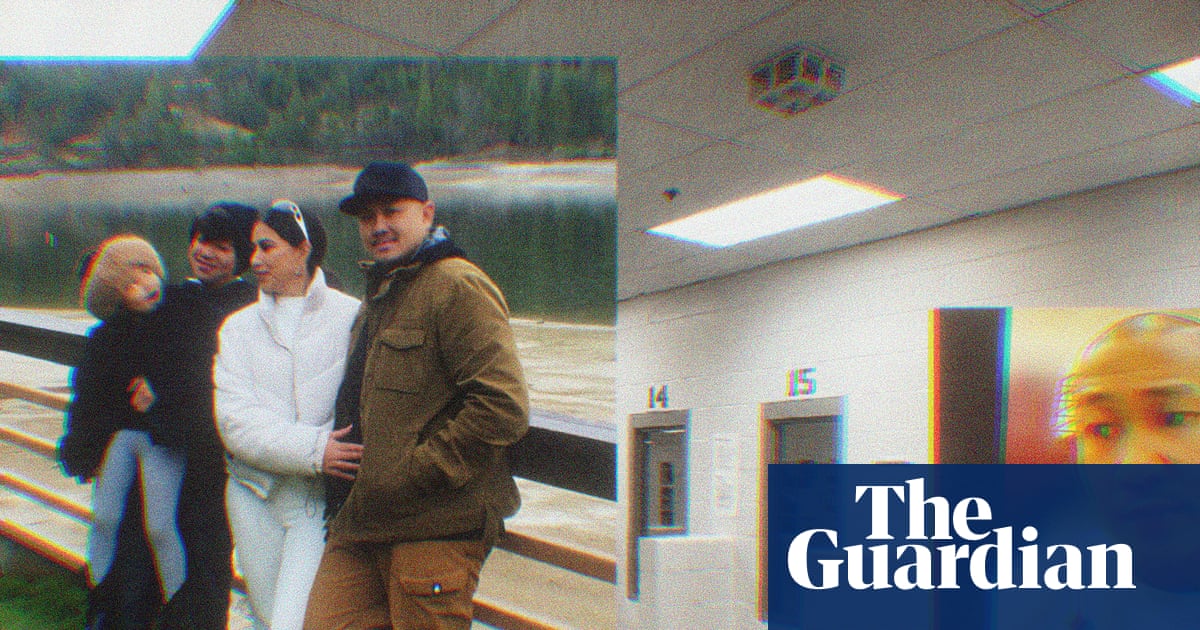
Cover image from theguardian.com, which was analyzed for this article
Federal officer faces charges for false statements contradicted by video; separate reports on ICE detention policies.
PoliticalOS
Friday, September 4, 2026 — Politics
Video evidence led federal authorities to drop initial assault charges against the shooting victims and acknowledge inconsistencies in agent statements, yet the Justice Department declined civil rights charges in favor of false statements counts. The outcome leaves state prosecution and potential sentencing differences as the remaining avenues for accountability.
What outlets missed
The Minnesota case involved three separate shootings by ICE agents during the same operation, two fatal, yet only one received detailed coverage across the outlets. State-level charging documents and the dropped assault charges against the shooting victims were referenced in primary records but received uneven attention. No outlet examined the volume of pending immigration cases or removal outcomes tied to the arrest statistics highlighted in one piece.
A federal immigration agent in Minnesota faces charges after video evidence contradicted his account of shooting a man during an enforcement operation. The case highlights tensions between local prosecutors seeking civil rights violations and Justice Department officials in Washington opting for a narrower false statements count.
Christian Castro, 52, an ICE agent, shot Julio Cesar Sosa-Celis in the leg on January 14 in Minneapolis. The incident occurred during Operation Metro Surge, an immigration enforcement push that placed thousands of federal agents in the state. Castro and another agent had pursued Alfredo Aljorna after a traffic stop. Aljorna ran into a home he shared with Sosa-Celis. Castro fired through a closed door. State charging documents state he did so knowing the home was occupied. One witness reported two children inside. Sosa-Celis suffered a leg wound. Agents then deployed tear gas and detained the occupants.
Initial statements from the Department of Homeland Security described an ambush in which agents were beaten with a shovel or broomstick and fired in self-defense. Federal prosecutors initially charged Sosa-Celis and Aljorna with assault. Those charges were later dropped. Then-acting ICE director Todd Lyons stated that video evidence showed the agents' sworn testimony appeared false. Castro was placed on leave and faces state felony charges in Minnesota, including assault with a dangerous weapon. Texas Governor Greg Abbott declined to extradite him from Texas, where he had been held for 90 days before release.
Federal prosecutors in Minnesota prepared civil rights charges against Castro for deprivation of rights under color of law. Those charges can carry substantial prison time. Late on Tuesday, Assistant U.S. Attorney Matthew Evans informed victims' lawyers that Main Justice and the U.S. Attorney directed charges limited to false statements. Evans wrote that he objected in the strongest possible terms. A DOJ official said civil rights charging decisions involve consultation with the civil rights division and follow a collaborative review of facts and law. The department has not reached a final conclusion.
The shooting was one of three involving immigration agents in Minneapolis during the operation, two of them fatal. Separate reporting has examined visitation rules at ICE facilities, including a ban on contact visits at the California City detention center in California that has prompted family complaints and advocacy campaigns. Those policies apply to facilities holding individuals pending immigration proceedings and have drawn security justifications from operators.
Minnesota Hennepin County Attorney Mary Moriarty, who is pursuing the state case, has expressed concern that Castro may flee. The federal false statements charge, if filed, would likely carry a lighter potential penalty than civil rights counts.
More in Politics

Democrats Flip Senate, Expand House Majority in Midterms
Democrats flipped the Senate and expanded their House majority in a major rebuke to President Trump and Republicans. Key victories included multiple Senate seats and state-level wins that ended long-standing GOP dominance in places like Texas.

GOP Losses Spur Blame, Vance Distancing, 2028 Maneuvers
Republicans are pointing fingers internally after heavy losses, with Vice President JD Vance distancing himself from Trump over the Iran war and positioning for a potential 2028 run. Challengers within the party are already sensing opportunity.

Democrats Take House and Senate Amid Record Midterm Turnout
Democrats achieved decisive gains in the 2026 midterms, flipping seats to take control of both chambers. Coverage highlights historic turnout and implications for the Trump administration.
Democrats Take House and Senate, Constraining Trump
Democrats flipped both the House and Senate in a major rebuke to President Trump and Republicans. The results create divided government and set up battles over spending, oversight, and foreign policy for the remainder of Trump's term.
The Compass
You just read five takes on one story.
What's your take? Find your political shape in a few minutes.
Take the test