
ICE Agent Faces False Statements Charge After Video Contradicts Shooting Account
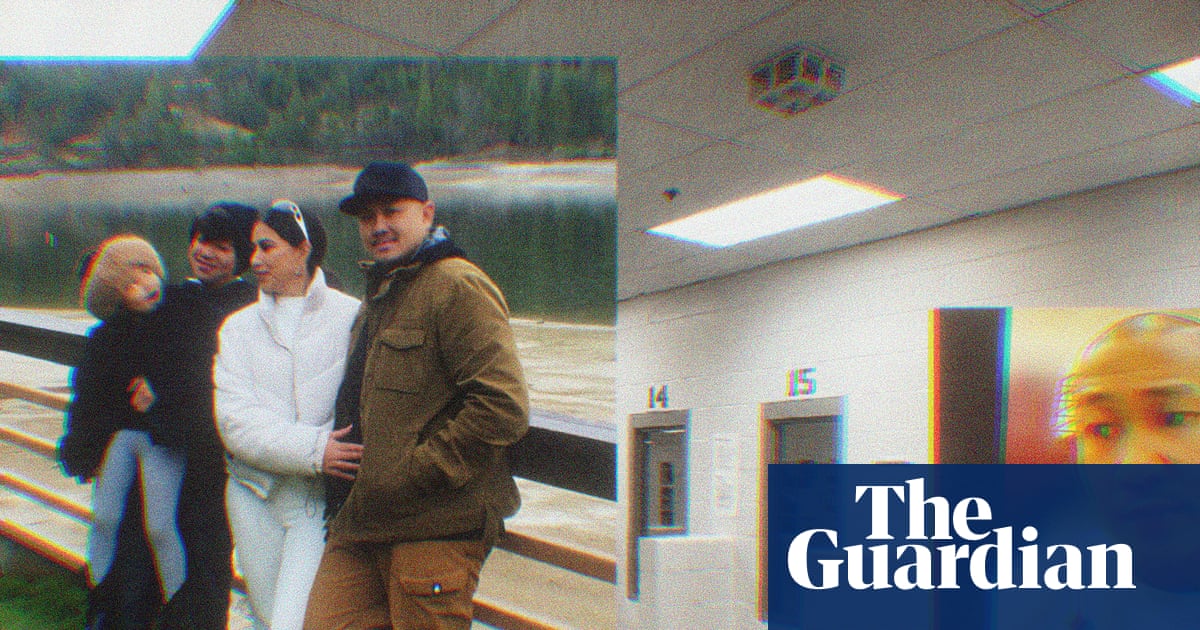
Cover image from theguardian.com, which was analyzed for this article
Federal officer faces charges for false statements contradicted by video; separate reports on ICE detention policies.
PoliticalOS
Friday, September 4, 2026 — Politics
Video evidence led federal authorities to drop initial assault charges against the shooting victims and acknowledge inconsistencies in agent statements, yet the Justice Department declined civil rights charges in favor of false statements counts. The outcome leaves state prosecution and potential sentencing differences as the remaining avenues for accountability.
What outlets missed
The Minnesota case involved three separate shootings by ICE agents during the same operation, two fatal, yet only one received detailed coverage across the outlets. State-level charging documents and the dropped assault charges against the shooting victims were referenced in primary records but received uneven attention. No outlet examined the volume of pending immigration cases or removal outcomes tied to the arrest statistics highlighted in one piece.
ICE Faces Backlash Over Harsh Detention Rules and Shielded Agents in Shooting Cases
Immigrant families are pushing back against a sweeping ban on physical contact visits at California’s largest immigration detention center, where relatives say the policy has turned routine visits into emotionally devastating encounters separated by glass. The California City facility, run by private operator CoreCivic and holding around 1,600 people, has prohibited all contact visits since the Trump administration reopened the site last year. Mothers and other relatives who travel long distances report being unable to embrace loved ones or even sit together during birthdays and other milestones.
Teresa Reyes, 63, drove 300 miles to see her son Guillermo on his 32nd birthday in May. She described the visit as a painful exercise in restraint. “I want to hold my son, I want to touch him, I want to assure him everything is going to be OK, but I can’t,” she said in Spanish. “When I see him, I have to hold back tears.” Advocates note that even facilities holding people convicted of serious crimes typically allow table visits unless specific security threats exist. The blanket prohibition at California City stands out as unusually restrictive for a site detaining individuals primarily on civil immigration matters.
The policy coincides with broader concerns about accountability inside ICE operations. In a separate case out of Minneapolis, federal prosecutors had prepared civil rights charges against an ICE agent accused of shooting a Venezuelan immigrant during a January enforcement action. The agent, Christian Castro, allegedly shot Julio Cesar Sosa-Celis in the leg and then provided false information about the incident. The shooting occurred amid Operation Metro Surge, which deployed thousands of federal agents across the state and resulted in three separate shootings by immigration officers, two of them fatal.
Internal communications show that Department of Justice officials in Washington overruled local prosecutors who had “strongest possible” objections to dropping the case. The decision came despite evidence gathered by Minnesota-based federal attorneys. Critics argue the intervention signals a pattern of shielding federal agents from scrutiny during expanded immigration enforcement.
Supporters of stricter enforcement often portray resistance to ICE tactics as obstruction of legitimate law enforcement. Yet accounts from detention centers and shooting investigations reveal policies that extend beyond standard criminal justice practices, including prolonged isolation from family and limited external oversight. Families affected by the no-contact rule continue to organize visits and legal challenges, insisting that basic human contact should not be treated as a privilege denied to those held on immigration violations alone. The combination of restricted visitation and dropped charges in use-of-force cases has intensified calls for greater transparency at facilities like California City and within field operations nationwide.
You just read Progressive's take. Want to read what actually happened?
More in Politics
Democrats Flip Senate, Expand House Majority in Midterms
Democrats flipped the Senate and expanded their House majority in a major rebuke to President Trump and Republicans. Key victories included multiple Senate seats and state-level wins that ended long-standing GOP dominance in places like Texas.
GOP Losses Spur Blame, Vance Distancing, 2028 Maneuvers
Republicans are pointing fingers internally after heavy losses, with Vice President JD Vance distancing himself from Trump over the Iran war and positioning for a potential 2028 run. Challengers within the party are already sensing opportunity.
Democrats Take House and Senate Amid Record Midterm Turnout
Democrats achieved decisive gains in the 2026 midterms, flipping seats to take control of both chambers. Coverage highlights historic turnout and implications for the Trump administration.
Democrats Take House and Senate, Constraining Trump
Democrats flipped both the House and Senate in a major rebuke to President Trump and Republicans. The results create divided government and set up battles over spending, oversight, and foreign policy for the remainder of Trump's term.
The Compass
You just read five takes on one story.
What's your take? Find your political shape in a few minutes.
Take the test