
Minnesota Judge Warns ICE Order Violations Threaten Rule of Law
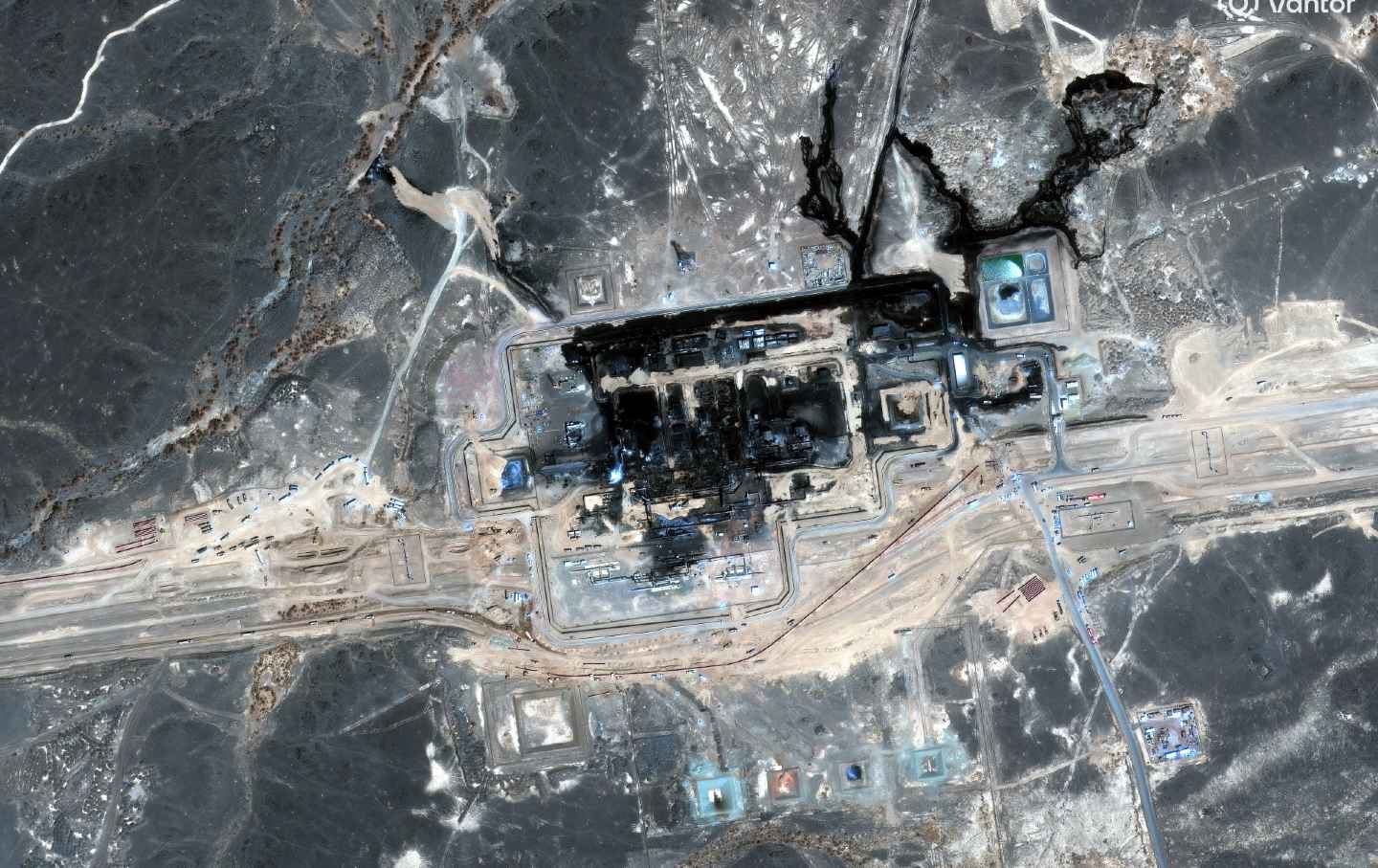
Cover image from thenation.com, which was analyzed for this article
A federal judge warned ICE operations in Minnesota threaten the rule of law. The administration has frozen billions in grants with pediatricians raising health care access alarms.
PoliticalOS
Thursday, September 17, 2026 — Politics
A Bush-appointed judge with conservative credentials has raised concerns about ICE compliance with federal court orders in Minnesota, citing risks to the rule of law. Available accounts lack the numerical scale needed to assess whether the issue is localized or widespread.
What outlets missed
Available reporting supplies no figures on the overall number of ICE enforcement actions or court orders during the period, leaving the scale of violations unquantified. The summary reference to frozen federal grants and pediatrician concerns over health care access received no coverage in either outlet and could not be independently verified. Broader context on enforcement volume across districts or historical compliance rates under previous administrations was absent.
War Spreads Across Middle East Driving Up Energy Costs for American Drivers
The conflict involving Iran that began last winter with strikes from the United States and Israel has entered a more dangerous phase with direct consequences for oil supplies and prices around the world. Saudi Arabia now faces attacks from multiple directions as Houthi forces from Yemen strike refineries and shipping routes while Iraqi proxies pressure the kingdom from the north.
Analysts note that the fighting has moved beyond the initial expectations of a quick resolution. The Houthis ended a prior ceasefire and have targeted a Saudi facility near the southern border while attempting to block maritime traffic. Saudi Crown Prince Mohammed bin Salman finds his country caught between these threats despite its vast resources and military spending. Columbia University scholar Karen E. Young described the position as one of being squeezed on both sides.
The Strait of Hormuz remains a flashpoint as Iranian forces seek greater control over this key passage for global oil shipments. Disruptions here carry immediate effects on crude prices that flow through to gasoline costs at American pumps and heating bills for households. Earlier drone strikes on Saudi infrastructure such as the East-West pipeline have already shown how limited attacks can reduce output and push markets higher.
The expanded fighting coincides with broader strains on world energy supplies. Refinery damage and shipping interference add to existing volatility from sanctions and production decisions by major exporters. Observers point out that the United States retains significant domestic production capacity yet still faces upward pressure on prices when key export routes face risk. This dynamic hits working families first through higher transportation and manufacturing expenses that eventually reach consumer goods.
Saudi officials have maintained public statements of resilience while privately managing the dual fronts. The kingdom's earlier involvement in Yemen has left it exposed to the very group it once sought to contain. Meanwhile the northern border sees activity from groups aligned with Tehran that exploit the larger regional disorder. These developments suggest the original campaign against Iran has produced a wider stalemate rather than decisive containment.
Energy market participants continue to monitor tanker traffic and satellite imagery of affected sites. Any further escalation near the Strait or additional refinery incidents could accelerate price spikes beyond recent levels. The situation underscores how distant conflicts quickly transmit economic pain to domestic energy consumers regardless of prior commitments to independence from foreign oil.
You just read America First's take. Want to read what actually happened?
More in Politics
Democrats Flip Senate, Expand House Majority in Midterms
Democrats flipped the Senate and expanded their House majority in a major rebuke to President Trump and Republicans. Key victories included multiple Senate seats and state-level wins that ended long-standing GOP dominance in places like Texas.
GOP Losses Spur Blame, Vance Distancing, 2028 Maneuvers
Republicans are pointing fingers internally after heavy losses, with Vice President JD Vance distancing himself from Trump over the Iran war and positioning for a potential 2028 run. Challengers within the party are already sensing opportunity.
Democrats Take House and Senate Amid Record Midterm Turnout
Democrats achieved decisive gains in the 2026 midterms, flipping seats to take control of both chambers. Coverage highlights historic turnout and implications for the Trump administration.
Democrats Take House and Senate, Constraining Trump
Democrats flipped both the House and Senate in a major rebuke to President Trump and Republicans. The results create divided government and set up battles over spending, oversight, and foreign policy for the remainder of Trump's term.
The Compass
You just read five takes on one story.
What's your take? Find your political shape in a few minutes.
Take the test