
Minnesota Judge Warns ICE Order Violations Threaten Rule of Law
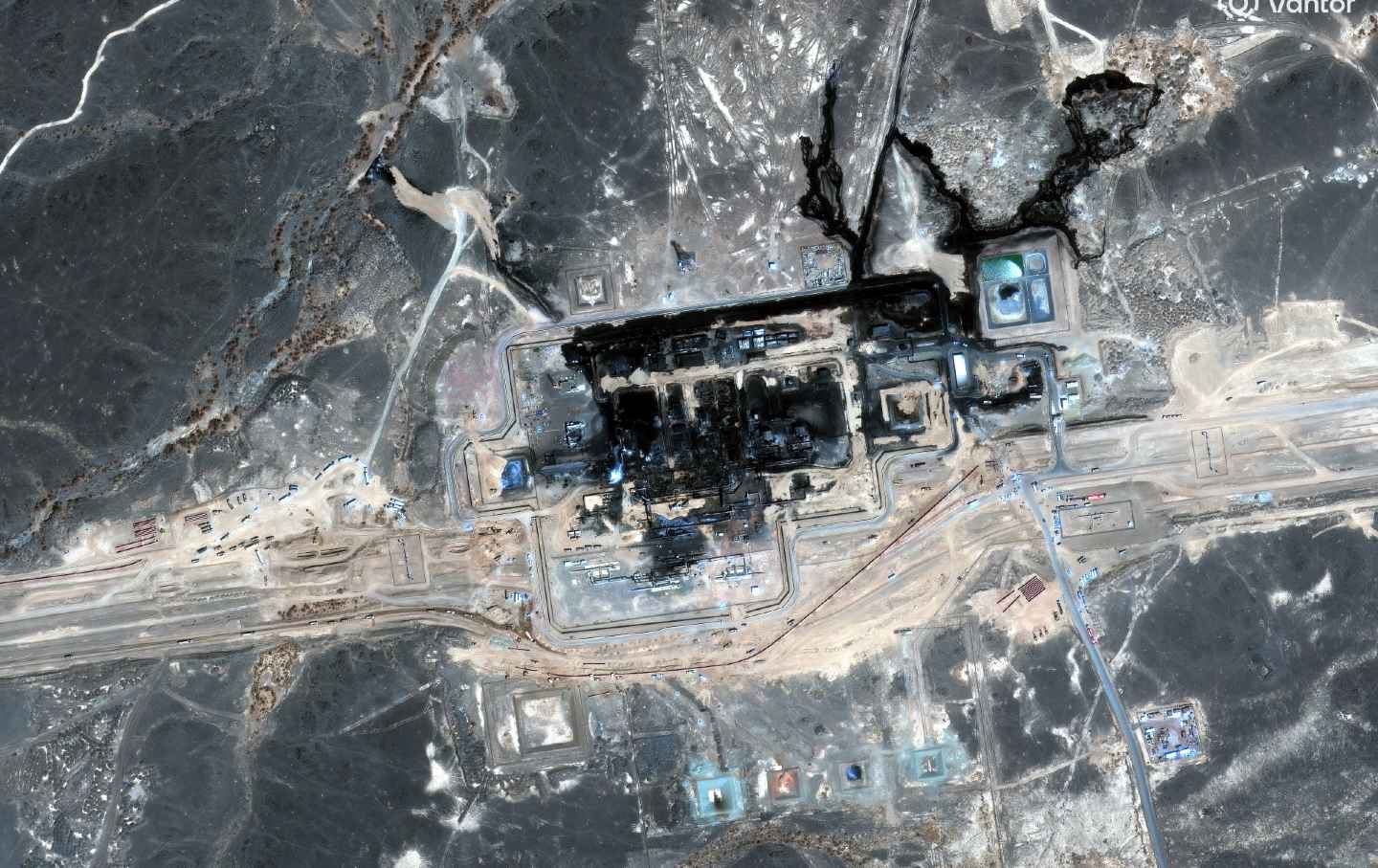
Cover image from thenation.com, which was analyzed for this article
A federal judge warned ICE operations in Minnesota threaten the rule of law. The administration has frozen billions in grants with pediatricians raising health care access alarms.
PoliticalOS
Thursday, September 17, 2026 — Politics
A Bush-appointed judge with conservative credentials has raised concerns about ICE compliance with federal court orders in Minnesota, citing risks to the rule of law. Available accounts lack the numerical scale needed to assess whether the issue is localized or widespread.
What outlets missed
Available reporting supplies no figures on the overall number of ICE enforcement actions or court orders during the period, leaving the scale of violations unquantified. The summary reference to frozen federal grants and pediatrician concerns over health care access received no coverage in either outlet and could not be independently verified. Broader context on enforcement volume across districts or historical compliance rates under previous administrations was absent.
Trump's Middle East Conflict and Domestic Defiance Fuel Economic and Legal Turmoil
The latest phase of the war initiated by President Donald Trump and Israel against Iran has extended far beyond initial expectations, with analysts warning of severe disruptions to global energy supplies and the broader world economy. Saudi Arabia, once relatively insulated in the early stages of the conflict that began last winter, now faces mounting pressure from Iranian-backed forces on multiple fronts.
Crown Prince Mohammed bin Salman finds his kingdom squeezed between Iranian and Iraqi proxies to the north and Houthi militants advancing from Yemen in the south. A recent breakdown in the ceasefire with the Houthis has led to attacks on a Saudi refinery near the southern border and efforts to disrupt shipping lanes. Karen E. Young, a senior research scholar at Columbia University’s Center on Global Energy Policy, noted that the Saudis are being squeezed on both sides by an opponent far weaker in resources but effective at inflicting economic pain.
Satellite imagery has revealed fire damage at the East-West pipeline pumping station following a September 11 drone strike, underscoring vulnerabilities in critical infrastructure. The Houthis' renewed offensive threatens not only Saudi stability but also global oil flows, as the kingdom remains a key producer. Trump has signaled reluctance to allow Iran control over the Strait of Hormuz, yet the conflict appears locked in a costly stalemate that echoes broader patterns of escalation without clear resolution.
These foreign policy developments coincide with growing concerns over the administration's handling of domestic institutions. In a rare on-the-record interview with the New York Times, Judge Patrick J. Schiltz, a Minnesota federal judge appointed by former President George W. Bush and a former clerk to the late Justice Antonin Scalia, issued a stark assessment of the Trump Justice Department's conduct. Schiltz described violations of nearly 100 federal court orders, many involving the release of undocumented immigrants targeted by Immigration and Customs Enforcement, as creating a grave threat to the rule of law.
The judge attributed much of the disregard to incompetence and staffing shortages but expressed alarm that officials have not fully grappled with the corrosive effects. His warnings gained urgency after two American citizens were killed by federal agents amid heightened enforcement actions in protest-filled areas. Schiltz framed the rule of law as essential to democracy, comparable to oxygen for the human body. A Justice Department spokesperson dismissed the interview as remarkable for a sitting judge, yet the account highlights procedural breakdowns that have clogged court systems and amplified tensions.
The interplay between these arenas reveals a consistent approach marked by overreach and underpreparedness. Energy market volatility from the Middle East conflict risks higher prices at a time when domestic legal frictions already strain governance. Analysts tracking oil flows note that sustained Houthi activity could compound supply concerns, while the administration's courtroom setbacks suggest institutional resistance may intensify.
Critics point to the human and economic costs mounting on both fronts. Saudi shipping obstructions and refinery strikes add immediate pressure, while ignored court mandates have contributed to operational chaos in immigration proceedings. The administration's early claims that the Iran conflict would conclude swiftly have given way to prolonged engagement, mirroring the pattern of unheeded judicial directives that Schiltz described as undermining constitutional order.
As global energy prices respond to the spreading instability and federal courts grapple with enforcement lapses, the combined effects point to a period of heightened uncertainty. The Saudi position, caught between northern and southern threats, illustrates how initial strategic assumptions have unraveled, much as the Justice Department's early dismissals of judicial concerns have evolved into broader warnings from within the system. Observers continue to monitor whether these parallel challenges will prompt adjustments or further entrenchment.
You just read Progressive's take. Want to read what actually happened?
More in Politics
Democrats Flip Senate, Expand House Majority in Midterms
Democrats flipped the Senate and expanded their House majority in a major rebuke to President Trump and Republicans. Key victories included multiple Senate seats and state-level wins that ended long-standing GOP dominance in places like Texas.
GOP Losses Spur Blame, Vance Distancing, 2028 Maneuvers
Republicans are pointing fingers internally after heavy losses, with Vice President JD Vance distancing himself from Trump over the Iran war and positioning for a potential 2028 run. Challengers within the party are already sensing opportunity.
Democrats Take House and Senate Amid Record Midterm Turnout
Democrats achieved decisive gains in the 2026 midterms, flipping seats to take control of both chambers. Coverage highlights historic turnout and implications for the Trump administration.
Democrats Take House and Senate, Constraining Trump
Democrats flipped both the House and Senate in a major rebuke to President Trump and Republicans. The results create divided government and set up battles over spending, oversight, and foreign policy for the remainder of Trump's term.
The Compass
You just read five takes on one story.
What's your take? Find your political shape in a few minutes.
Take the test