
Iceland Votes Against Restarting EU Membership Talks

Cover image from cnbc.com, which was analyzed for this article
Icelandic voters overwhelmingly rejected restarting negotiations to join the European Union in a referendum. The outcome is seen as a blow to globalist efforts amid broader trade tensions.
PoliticalOS
Sunday, August 30, 2026 — Politics
Iceland’s narrow rejection keeps the country outside formal EU accession while preserving EEA and Schengen access. The decisive rural vote reflected long-standing priorities over fishing control and national decision-making rather than external security arguments.
What outlets missed
Most coverage omitted the precise economic weight of fisheries in recent export data and the long-term decline in catch volumes reported by the World Bank. Few outlets detailed the non-binding legal status of the referendum or the constitutional requirement for a second vote on any eventual treaty. The urban-rural economic split, with Reykjavik’s service sector versus coastal fishing dependence, received less attention than external geopolitical framing in several reports.
Icelanders chose to keep their current relationship with Europe rather than reopen formal talks on joining the European Union. With 52.8 percent voting no and 47.2 percent voting yes, according to national broadcaster RUV, the outcome leaves accession negotiations suspended as they have been since 2015.
The referendum asked a narrow question: whether to resume talks that had been halted more than a decade earlier. A yes result would have started negotiations but would still have required a second public vote on any final membership agreement. Prime Minister Kristrún Frostadóttir’s government had scheduled the vote after taking office in 2024, citing potential economic stability and closer alignment with European partners.
Rural constituencies delivered the decisive margin. The South, Northwest and Northeast districts each recorded more than 60 percent opposition. Reykjavik was the only region to favor restarting talks, with yes votes above 54 percent in both northern and southern districts. Fishing rights formed the central domestic issue. Opponents argued that EU membership would transfer quota decisions to Brussels and erode national control over an industry that still accounts for nearly half of merchandise exports, per Statistics Iceland data. Supporters countered that existing European Economic Area and Schengen arrangements already deliver market access without full membership obligations.
President Donald Trump’s public interest in acquiring Greenland added an external security dimension to the campaign. Iceland sits near the GIUK Gap and maintains no standing military of its own. Some yes advocates said closer EU ties could offset uncertainty created by U.S. policy statements. The no side maintained that fisheries and sovereignty questions outweighed those considerations. Frostadóttir stated before final results that she would respect the outcome regardless of margin.
More in Politics
Polls Show Democratic Edges in Pennsylvania House Races Amid Kansas Senate Strain
Early voting began in key states with Democrats showing edges in House races and Trump barnstorming to defy headwinds as forecasters highlight competitive battlegrounds.

Trump Defends Ramaswamy Ad Using Estranged Mother in Ohio Race
President Trump defended a GOP nominee's ad featuring a Democratic opponent's estranged mother, calling it powerful, while drawing criticism from some Republicans including Ohio Gov. Mike DeWine. The ad has sparked internal GOP tensions ahead of midterms.
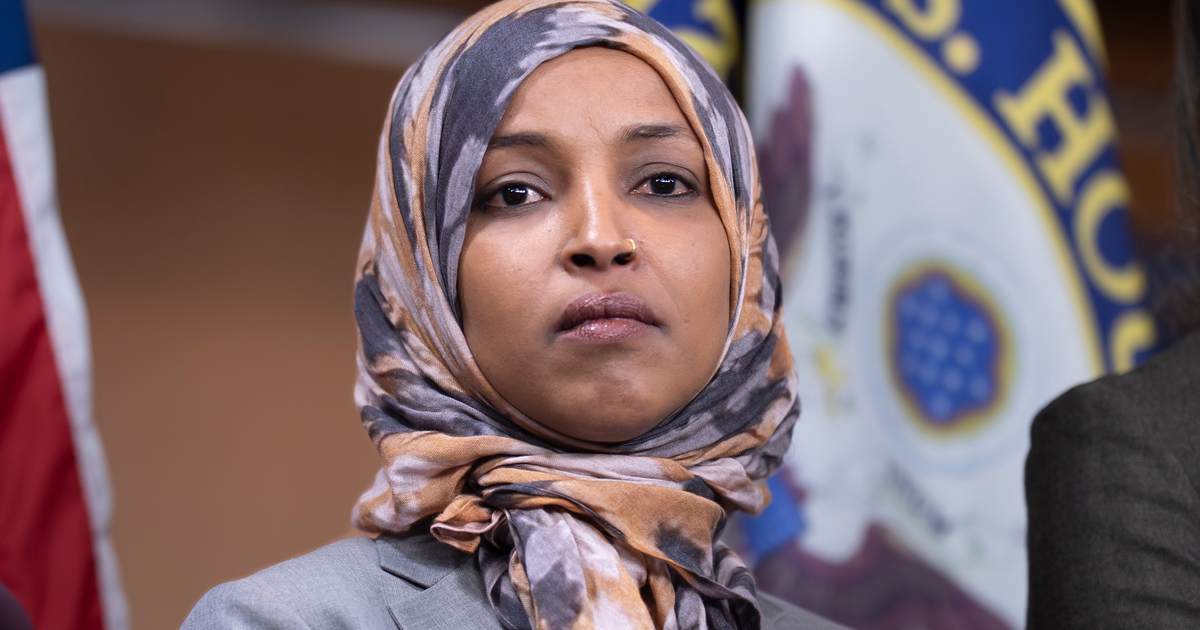
Federal Raid Targets Omar Amid Unresolved Name and Marriage Allegations
Agents searched Rep. Ilhan Omar's DC residence over immigration fraud allegations; she called it bizarre. Reports and commentary questioned her birth name and past marriage details.

Supreme Court Upholds New Hampshire Student ID Voting Ban
The Supreme Court upheld New Hampshire's ban on student IDs as valid voter identification just before midterms, affecting a tight Senate race.
The Compass
You just read five takes on one story.
What's your take? Find your political shape in a few minutes.
Take the test