
Iran Conflict Pushes Gas to $4.52, Testing Households and Trump Support
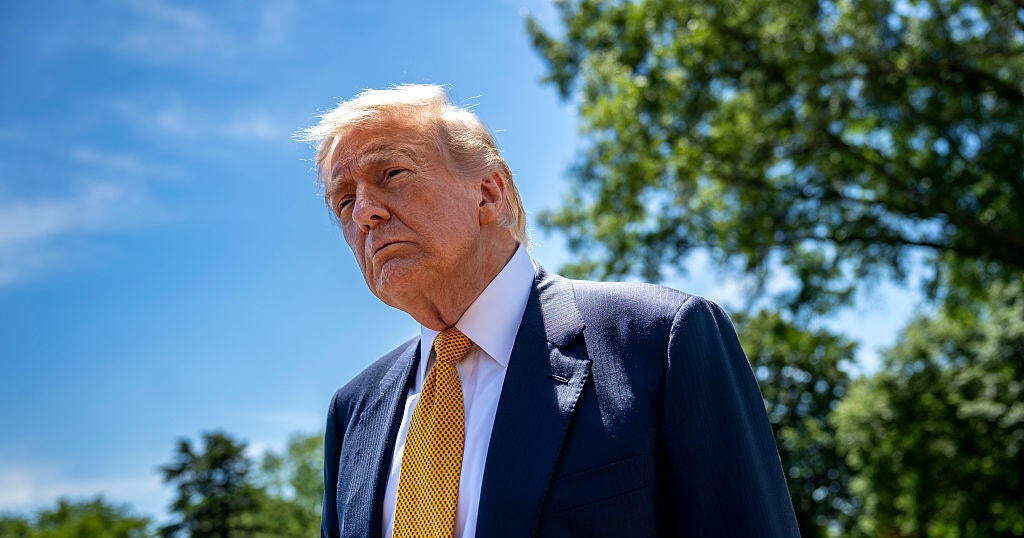
Cover image from cbsnews.com, which was analyzed for this article
Elevated gas and goods prices tied to foreign conflicts are straining households, with Trump's downplaying of concerns drawing criticism for appearing out of touch.
PoliticalOS
Sunday, May 17, 2026 — Business
Rising energy costs from the Iran conflict are producing measurable household strain and eroding short-term economic approval for the president. Voters will decide in November whether they view these effects as temporary wartime costs or lasting policy shortcomings. Cross-referencing primary price data and full poll crosstabs provides the clearest picture beyond any single narrative.
What outlets missed
Most coverage omitted month-over-month Bureau of Labor Statistics gasoline price components showing a 28.4 percent jump alongside the overall 0.6 percent CPI rise. Few reports included prior historical spikes during earlier Strait of Hormuz tensions for context on volatility patterns. Administration statements on projected post-conflict price declines and specific relief measures under discussion received minimal detail compared with criticism of presidential remarks. Long-term poll breakdowns showing Republican patience on inflation versus stronger support on other issues were often collapsed into broad negativity.
Gasoline prices have climbed above $4.50 a gallon and consumer prices rose at their fastest pace in three years, adding pressure on household budgets already strained by prior inflation. The increases trace directly to supply disruptions from the U.S. military campaign against Iran that began in February 2026. Voters now face higher costs for commuting and groceries while wages have not kept pace.
The administration maintains that its priority remains preventing Iran from obtaining a nuclear weapon. President Trump stated that disarmament is his sole focus and that he does not weigh economic conditions when deciding next steps. White House officials, including National Economic Council Director Kevin Hassett and Council of Economic Advisers Acting Chair Pierre Yared, have described the price spike as temporary and forecast a rebound in growth once the conflict ends. They point to April job gains of 115,000 and continued retail sales as evidence that consumers are absorbing the shock.
A CBS News poll conducted May 13-15 found two-thirds of adults saying the president’s policies are worsening the economy in the short term. Three-quarters reported that incomes are not keeping up with inflation. Republican support for Trump’s handling of inflation stood at 63 percent, down from higher marks on immigration and overall job performance. Consumer confidence reached an all-time low in the same period, and debt levels rose while savings declined.
Analysts note that lower- and middle-income households absorb the largest share of energy-driven price increases. Wealthier households have been partly shielded by rising stock values tied to artificial intelligence gains. The Federal Reserve appears unlikely to cut interest rates this year given persistent inflation readings. Most private forecasters project growth below 3 percent for 2026, well under the administration’s public target.
Democrats have highlighted the president’s remarks as evidence of detachment. Republicans counter that strategic goals outweigh short-term costs and that prices will fall once the Strait of Hormuz stabilizes. Both parties receive low marks from the public on addressing the cost of living. The November midterms will test whether voters treat the price increases as a passing wartime effect or a lasting policy failure.
More in Business & Economy

Major Banks Deliver Mixed Q3 Results on Trading Beats
JPMorgan, Goldman Sachs, Citigroup, and Wells Fargo reported Q3 figures, with revenue beats in trading but some estimate misses. CNBC provided live updates on the results and market reactions.

Oil Falls on Russian Diesel Outlook Despite Geopolitical Risks
Dow futures rose while Nasdaq faced pressure from tech weakness and elevated oil after geopolitical spikes. CNBC tracked premarket moves tied to earnings and Fed speeches.

Hall and Woodford Win Economics Nobel for Stabilization Models
American economists Robert E. Hall and Michael Woodford won the Nobel memorial prize for their research on managing economies through booms and busts, informing central bank policies on inflation and unemployment.

Skydance Closes Paramount-Warner Bros. Discovery Deal
The long-delayed media mega-merger cleared hurdles and began operations under Skydance, consolidating Hollywood power. Center and center-left outlets track the regulatory and business milestones.
The Compass
You just read five takes on one story.
What's your take? Find your political shape in a few minutes.
Take the test