
Ceasefire Lapse Puts Hormuz Shipping and Oil at Risk
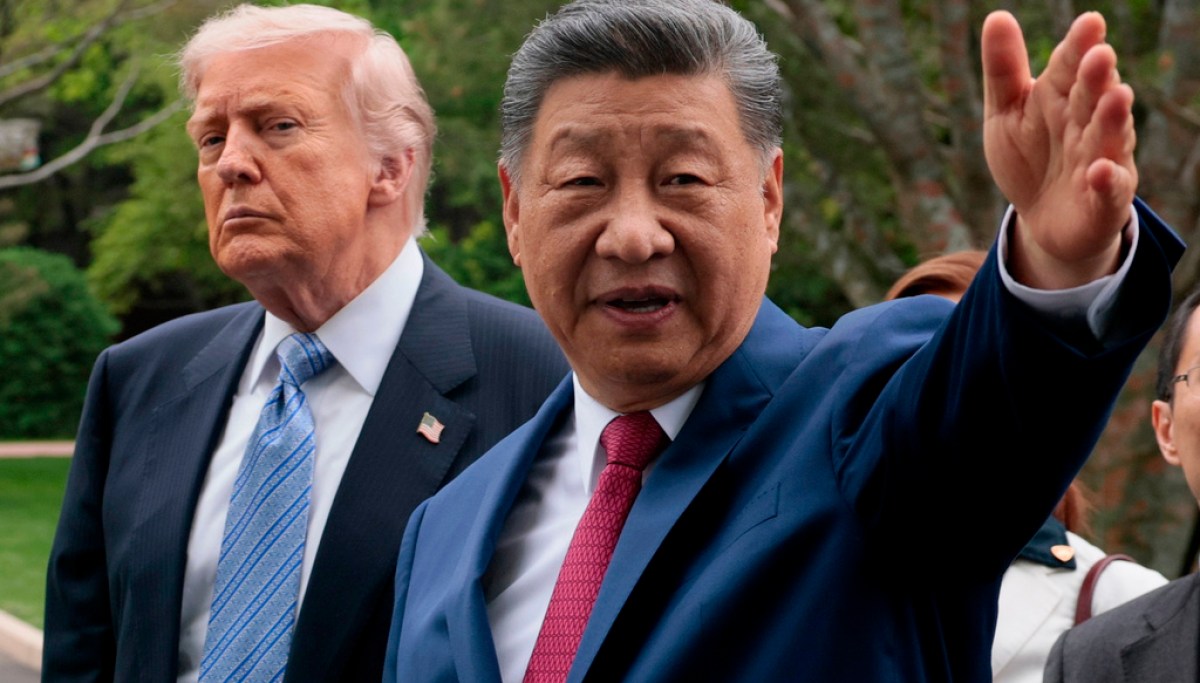
Cover image from washingtonexaminer.com, which was analyzed for this article
The 60-day US-Iran ceasefire lapsed without extension amid ongoing concerns over shipping and oil. Trump called for surrender and ruled out further talks while allies adjusted military postures. Multiple outlets across the spectrum covered the geopolitical fallout.
PoliticalOS
Wednesday, August 19, 2026 — Politics
The ceasefire expiration leaves Hormuz access and oil markets vulnerable while US carrier deployments create measurable readiness gaps in the Pacific that experts project will last well beyond the current conflict.
What outlets missed
Most coverage omitted the precise start date of late February 2026 and the reported death of Supreme Leader Ayatollah Ali Khamenei in initial strikes. Details on disagreements within the Pentagon over Israeli espionage concerns during any force reconfiguration were absent. Shipping data through the Strait of Hormuz and oil price impacts received little quantitative treatment despite repeated mentions of the waterway. No outlet provided corroborated casualty figures for US personnel beyond general references to tracker criticism.
US Mulls Shrinking Middle East Footprint After Iran Conflict Drags On
The Pentagon is examining options to scale back American military deployments in the Middle East once the Iran war concludes, according to officials tracking internal assessments. The review comes as the conflict approaches its six-month mark next week, with accumulated costs reaching $37.5 billion and multiple aircraft lost or damaged during Iranian counterstrikes on U.S. positions.
Senior defense officials told The Washington Post that the policy office, along with U.S. Central Command and the Joint Staff, are evaluating force posture across the region. No formal order has come from Defense Secretary Pete Hegseth, but one official noted that decisions on deployments will eventually be required. A Pentagon spokesperson confirmed that routine monitoring of global posture continues without a dedicated review underway for the Middle East.
The war began in late February and has involved repeated Iranian attacks on American bases in Iraq, Saudi Arabia, Kuwait, Bahrain, and elsewhere. Eight permanent U.S. installations operate in the region, with roughly 20 total sites supporting operations. Prolonged carrier deployments have compounded the strain. The USS Abraham Lincoln has spent more than 250 days at sea, leading to reports of crew distress and at least one relief by the USS George Washington. Both carriers normally operate in the Pacific, and their extended absence is expected to leave the Navy short two carrier strike groups for more than 18 months while maintenance cycles are completed.
Analysts tracking Indo-Pacific priorities have highlighted the ripple effects. Extended Middle East commitments draw munitions stocks, maintenance resources, and attention away from efforts to deter Chinese activity. Readiness rates for Pacific deployments could remain depressed for two to three years, according to estimates from defense specialists. This comes as President Trump had campaigned on avoiding new foreign wars, a pledge tested by the conflict's duration and domestic criticism over its length.
Trump has signaled interest in securing the Strait of Hormuz and has floated strong measures against Oman despite that nation's purchases of American weapons systems. The Navy has faced added pressure from at-sea replenishment demands and questions about munitions inventories that have surfaced in public debate. No press briefings have been held at the Pentagon in months, and an online tracker of casualties has drawn scrutiny for incomplete reporting.
The combination of direct expenses, equipment losses, and diverted naval assets illustrates the trade-offs involved in sustaining operations far from core strategic priorities in the Pacific. Officials continue to monitor developments without committing to a specific timetable for any post-conflict adjustments.
You just read Conservative's take. Want to read what actually happened?
More in Politics

Democrats Flip Senate, Expand House Majority in Midterms
Democrats flipped the Senate and expanded their House majority in a major rebuke to President Trump and Republicans. Key victories included multiple Senate seats and state-level wins that ended long-standing GOP dominance in places like Texas.

GOP Losses Spur Blame, Vance Distancing, 2028 Maneuvers
Republicans are pointing fingers internally after heavy losses, with Vice President JD Vance distancing himself from Trump over the Iran war and positioning for a potential 2028 run. Challengers within the party are already sensing opportunity.

Democrats Take House and Senate Amid Record Midterm Turnout
Democrats achieved decisive gains in the 2026 midterms, flipping seats to take control of both chambers. Coverage highlights historic turnout and implications for the Trump administration.
Democrats Take House and Senate, Constraining Trump
Democrats flipped both the House and Senate in a major rebuke to President Trump and Republicans. The results create divided government and set up battles over spending, oversight, and foreign policy for the remainder of Trump's term.
The Compass
You just read five takes on one story.
What's your take? Find your political shape in a few minutes.
Take the test