
Ceasefire Lapse Puts Hormuz Shipping and Oil at Risk
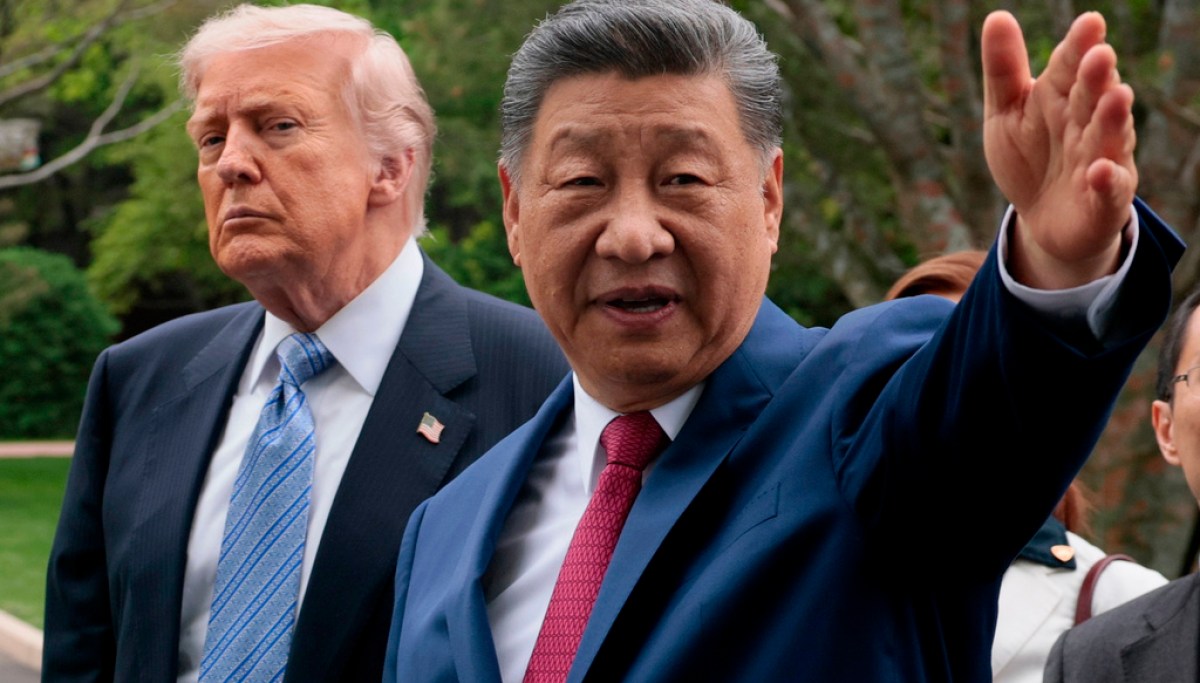
Cover image from washingtonexaminer.com, which was analyzed for this article
The 60-day US-Iran ceasefire lapsed without extension amid ongoing concerns over shipping and oil. Trump called for surrender and ruled out further talks while allies adjusted military postures. Multiple outlets across the spectrum covered the geopolitical fallout.
PoliticalOS
Wednesday, August 19, 2026 — Politics
The ceasefire expiration leaves Hormuz access and oil markets vulnerable while US carrier deployments create measurable readiness gaps in the Pacific that experts project will last well beyond the current conflict.
What outlets missed
Most coverage omitted the precise start date of late February 2026 and the reported death of Supreme Leader Ayatollah Ali Khamenei in initial strikes. Details on disagreements within the Pentagon over Israeli espionage concerns during any force reconfiguration were absent. Shipping data through the Strait of Hormuz and oil price impacts received little quantitative treatment despite repeated mentions of the waterway. No outlet provided corroborated casualty figures for US personnel beyond general references to tracker criticism.
US Eyes Post-War Troop Cuts in Middle East as Iran Conflict Drags On and Strains Pacific Readiness
The Pentagon is weighing options to scale back American forces across the Middle East once fighting with Iran concludes, according to officials familiar with internal discussions. The review comes as the conflict approaches its six-month mark next week, far longer than the rapid victory President Trump repeatedly promised on the campaign trail and in public statements.
Senior defense officials told The Washington Post that planners at the Pentagon’s policy office, U.S. Central Command and the Joint Staff are examining force posture in the region. No formal order has come from Defense Secretary Pete Hegseth, but one official said decisions on troop levels will eventually have to be made. The department has around twenty bases in the area, eight of them permanent, stretching from Qatar to Iraq and the Gulf states. Months of Iranian missile and drone strikes have already damaged several of those installations and destroyed or disabled dozens of U.S. aircraft.
The financial toll has reached $37.5 billion, Hegseth disclosed last month. That figure does not capture the human strain now visible in Navy reports. The aircraft carrier USS Abraham Lincoln has been at sea for more than 250 days, prompting accounts of sailors in distress and at least one incident in which crew members attempted to jump overboard. The USS George Washington is being rushed from the Pacific to relieve it, leaving both carriers unavailable for their normal Indo-Pacific duties for an extended period.
Analysts tracking great-power competition warn that the absence of two carrier strike groups could weaken deterrence against China for more than eighteen months once maintenance cycles are factored in. The deployments have also delayed long-planned exercises with allies in the region and drawn down munitions stockpiles that defense officials had hoped to preserve for any future confrontation in the Taiwan Strait.
Trump campaigned on ending foreign wars, yet the current operation has required precisely the kind of sustained commitment his supporters once opposed. The president has threatened to seize the Strait of Hormuz outright and even warned of striking Oman, a nominal partner that has spent billions on American weapons. Such statements have done little to shorten the timeline; both Washington and Tehran appear to be betting they can outlast the other.
A Pentagon spokesperson insisted there is no formal review underway, describing routine monitoring of global posture instead. Even so, the cumulative costs—measured in dollars, damaged equipment and exhausted service members—are prompting quiet questions inside the building about whether the United States can afford to keep its current footprint once the shooting stops. Those questions arrive at a moment when the administration’s own rhetoric about avoiding endless conflicts has collided with the reality of a war that shows no sign of ending soon.
You just read Progressive's take. Want to read what actually happened?
More in Politics
Democrats Flip Senate, Expand House Majority in Midterms
Democrats flipped the Senate and expanded their House majority in a major rebuke to President Trump and Republicans. Key victories included multiple Senate seats and state-level wins that ended long-standing GOP dominance in places like Texas.
GOP Losses Spur Blame, Vance Distancing, 2028 Maneuvers
Republicans are pointing fingers internally after heavy losses, with Vice President JD Vance distancing himself from Trump over the Iran war and positioning for a potential 2028 run. Challengers within the party are already sensing opportunity.
Democrats Take House and Senate Amid Record Midterm Turnout
Democrats achieved decisive gains in the 2026 midterms, flipping seats to take control of both chambers. Coverage highlights historic turnout and implications for the Trump administration.
Democrats Take House and Senate, Constraining Trump
Democrats flipped both the House and Senate in a major rebuke to President Trump and Republicans. The results create divided government and set up battles over spending, oversight, and foreign policy for the remainder of Trump's term.
The Compass
You just read five takes on one story.
What's your take? Find your political shape in a few minutes.
Take the test