
Iran's Khamenei Urges Gulf Unity as Hormuz Standoff Drags On
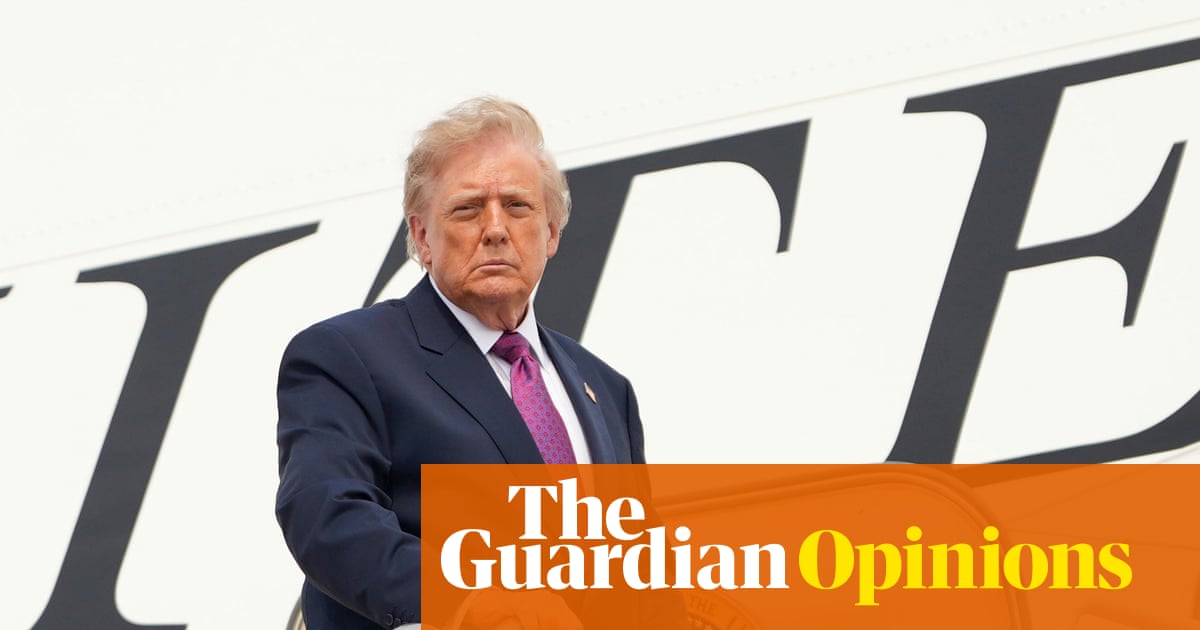
Cover image from theguardian.com, which was analyzed for this article
Six months after US-Israel strikes on Iran, tensions persist with warnings from military leaders, Gulf energy impacts, and calls for unity from Iran's Supreme Leader. Coverage spans economic costs, diplomatic fallout, and military operations.
PoliticalOS
Sunday, August 30, 2026 — Politics
The conflict remains locked in a contest of endurance over Hormuz access, sanctions enforcement and force sustainability. Khamenei's appeal to Gulf states underscores persistent regional divisions six months after the initial strikes. Military and economic constraints on both sides continue to shape the scope of any potential settlement.
What outlets missed
Multiple outlets repeated an incorrect claim that Mojtaba Khamenei was injured in the February strikes; only his father was killed. Al Jazeera cited an inflation rate of 66 percent that official data place at 87.9 percent. Coverage rarely noted the deaths of additional senior Iranian officials alongside the former supreme leader. Few reports placed the current Hormuz restrictions inside the documented sequence of the June memorandum and subsequent lapse. The scale of U.S. munitions depletion across multiple theaters received limited cross-outlet confirmation.
Six months after U.S.-Israeli strikes killed Iran's previous supreme leader and triggered open conflict, the region faces sustained military alerts, restricted oil transit and fresh economic pressure on Tehran. Iran's current Supreme Leader Mojtaba Khamenei used a written message posted to his Telegram account during Islamic Unity Week to tell Gulf rulers they must identify their real enemy and confront its plans, warning that divisions among Muslims serve adversaries. The statement, released on August 30, 2026, asked whether Palestinians would remain so exposed if Muslim governments had stayed united and questioned whether outside actors would have threatened Gulf lands and resources under the same conditions.
Khamenei has not appeared in public since the February 28 strikes that killed his father, Ayatollah Ali Khamenei. His message echoed an earlier Friday statement to Iranians in which he banned actions harming social cohesion and urged officials to avoid statements that weaken morale. Gulf Arab states have long regarded Iran's post-1979 revolutionary ideology and regional posture as a threat to their systems; during the present conflict Tehran has struck U.S. facilities and infrastructure in Gulf states.
The Strait of Hormuz remains restricted. Iran has discussed a temporary shipping corridor with Oman that would require U.S. fulfillment of a lapsed June memorandum; Deputy Foreign Minister Kazem Gharibabadi stated the strait is closed to uncoordinated traffic. Seven commodity vessels transited on the most recent reported day, below the prior average. The International Maritime Organization noted up to 400 ships carrying roughly 6,000 seafarers remain unable to exit the Gulf safely. President Masoud Pezeshkian has called for reviving the June interim agreement while acknowledging a nearly 35 percent drop in imports and exports tied to sanctions and the naval blockade.
U.S. military leaders have flagged sustainability problems. An August 14 Secretary of Defense Orders Book entry recorded non-concurrences from European, Pacific and Southern Command leaders plus the Navy over extended force commitments, citing degraded readiness for other missions and homeland defense. The Navy has supplied dozens of vessels for strikes, blockade enforcement and Hormuz operations; one-fourth of its destroyer fleet is currently ready to deploy. Army and Air Force leaders accepted extensions but noted risks. The Pentagon has kept more than 50,000 troops on alert in the region. Iran has warned that participation in further sanctions enforcement constitutes an act of war and could threaten alternative oil routes.
Iran's annual inflation reached 87.9 percent in July according to official statistical releases. Washington has expanded sanctions on Iran-linked entities and warned foreign banks against dollar transactions involving Tehran. Beijing has directed firms not to comply with secondary sanctions on Iranian oil purchases.
More in Politics
Polls Show Democratic Edges in Pennsylvania House Races Amid Kansas Senate Strain
Early voting began in key states with Democrats showing edges in House races and Trump barnstorming to defy headwinds as forecasters highlight competitive battlegrounds.

Trump Defends Ramaswamy Ad Using Estranged Mother in Ohio Race
President Trump defended a GOP nominee's ad featuring a Democratic opponent's estranged mother, calling it powerful, while drawing criticism from some Republicans including Ohio Gov. Mike DeWine. The ad has sparked internal GOP tensions ahead of midterms.
Federal Raid Targets Omar Amid Unresolved Name and Marriage Allegations
Agents searched Rep. Ilhan Omar's DC residence over immigration fraud allegations; she called it bizarre. Reports and commentary questioned her birth name and past marriage details.

Supreme Court Upholds New Hampshire Student ID Voting Ban
The Supreme Court upheld New Hampshire's ban on student IDs as valid voter identification just before midterms, affecting a tight Senate race.
The Compass
You just read five takes on one story.
What's your take? Find your political shape in a few minutes.
Take the test