
Six Months In, Iran Conflict Strains Economies and Alliances

Cover image from aljazeera.com, which was analyzed for this article
The US-Israel conflict with Iran reaches a six-month milestone amid ongoing diplomatic efforts by mediators. Iranian leaders acknowledged economic toll while the US shifts to economic pressure tactics.
PoliticalOS
Saturday, August 29, 2026 — Politics
After six months the conflict has produced documented U.S. casualties, unverified Iranian trade losses, and tentative new defense links among Gulf states, yet no outlet has established whether economic pressure or diplomatic efforts are shifting the underlying military balance.
What outlets missed
The six-month mark coincides with a documented shift from kinetic operations toward sustained economic measures, yet few outlets examined whether the naval blockade has produced measurable changes in global oil flows. No outlet reconciled the Iranian claim of continued missile output with the reported destruction of production sites. The active status of U.S. airborne broadcast platforms was omitted from the opinion column that asserted their decommissioning. Family support data from Blue Star Families lacked methodology details across all coverage.
Six months of direct conflict between the United States, Israel and Iran have produced measurable losses on multiple fronts while diplomatic channels remain open. Iranian officials report sharp drops in trade and rising domestic hardship. American military families describe extended deployments and repeated uncertainty. Gulf states have begun testing new defense links that extend beyond traditional U.S. arrangements.
The fighting began February 28. Pentagon figures list 18 U.S. service members killed and more than 750 wounded, with more than 50,000 American troops now in the region and thousands of additional Marines and sailors deployed. Iranian leaders have described repeated strikes on their missile and drone forces yet claim continued operational capacity. Iranian President Masoud Pezeshkian stated that exports and imports fell nearly 35 percent under sanctions and a naval blockade; that figure has not been corroborated by independent shipping or customs data.
Supreme Leader Ayatollah Mojtaba Khamenei, who has not appeared publicly since the opening attacks that killed his father, issued a written call for the government to address inflation, unemployment and price stability. Annual inflation reached 66 percent last month, according to Iranian state media. Residents in Tehran described higher rents and reduced business activity.
Diplomatic activity continues alongside the fighting. Qatar’s prime minister met Iranian officials in Tehran to discuss reopening the Strait of Hormuz. Iran’s foreign minister called the talks creative. The Iranian government has framed diplomacy and defense as complementary tools for protecting national interests.
On the information front, Iranian military spokesmen have maintained consistent televised appearances emphasizing discipline and defiance. U.S. officials have faced criticism for less effective presentation styles, though the claim that the EC-130J Commando Solo broadcast aircraft were decommissioned in 2024 contradicts current Air Force records showing the platform remains active.
Gulf states have expanded bilateral training and command arrangements with Turkey, Britain and Pakistan. One reported incident of joint air defense action could not be independently confirmed. The overall pattern shows overlapping partnerships rather than a single new alliance structure.
Casualty and deployment data come from Pentagon releases. Economic claims originate with Iranian state media. Unverified details include the precise scale of trade losses and isolated operational anecdotes. The central unresolved question remains whether sustained economic pressure and diplomatic outreach will alter the trajectory of the conflict or merely extend its costs.
More in Politics
Trump at 32% Approval as Gas Prices Test GOP Midterm Hopes
NYT/Siena polling showed Trump's approval at historic lows around 32 percent with Democrats leading by double digits in key districts. Early voting has surged in battleground states.

Record Early Voting Hits Battlegrounds, Shifting Partisan Shares
AP analysis found hundreds of thousands more early ballots than in 2022 in states including Texas, Ohio, Kansas, Maine, and North Carolina, shifting partisan dynamics.
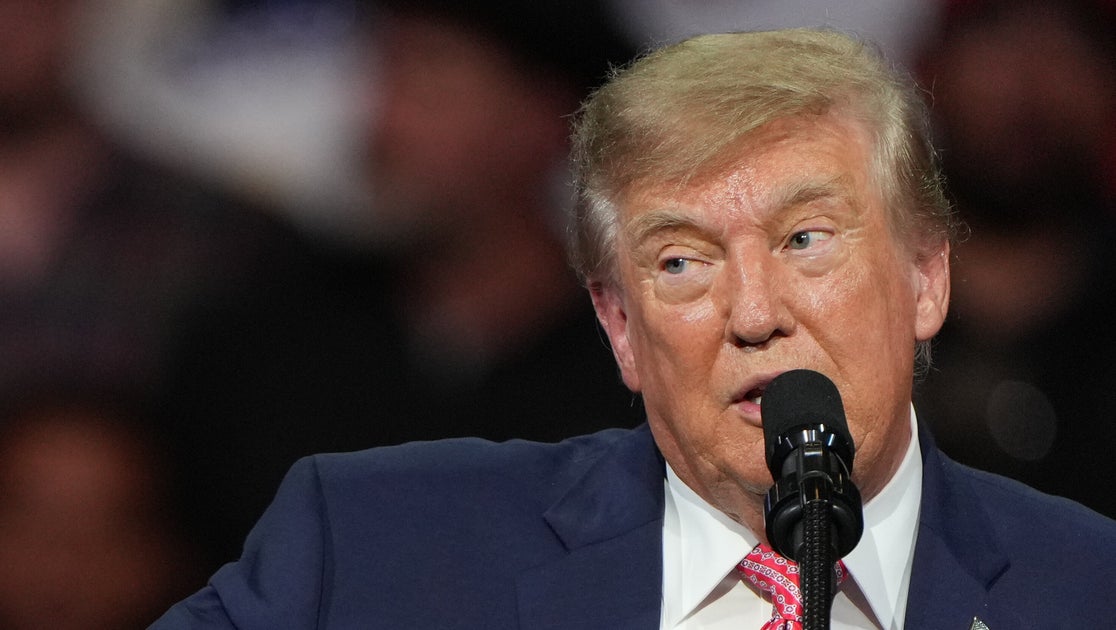
Trump Backs Marshall in Kansas Senate Race Tightened by Farm Costs
President Trump rallied in deep-red Kansas for GOP Sen. Roger Marshall in a competitive race, announcing an $8 billion farm fuel relief program amid high diesel prices. Democrats see an opening to end 94 years of GOP dominance in the state.

Trump Pauses Russia Sanctions Amid Ukraine Tensions and Missile Strikes
Trump waived sanctions on Russia and floated trilateral talks with Putin and Xi as part of ending the Ukraine war, while tensions rose with Zelenskyy over Starlink and arms. Bipartisan senators engaged Zelenskyy amid the shifts.
The Compass
You just read five takes on one story.
What's your take? Find your political shape in a few minutes.
Take the test