
Iran Missiles Target US Forces, Prompting Joint Strikes in Iraq
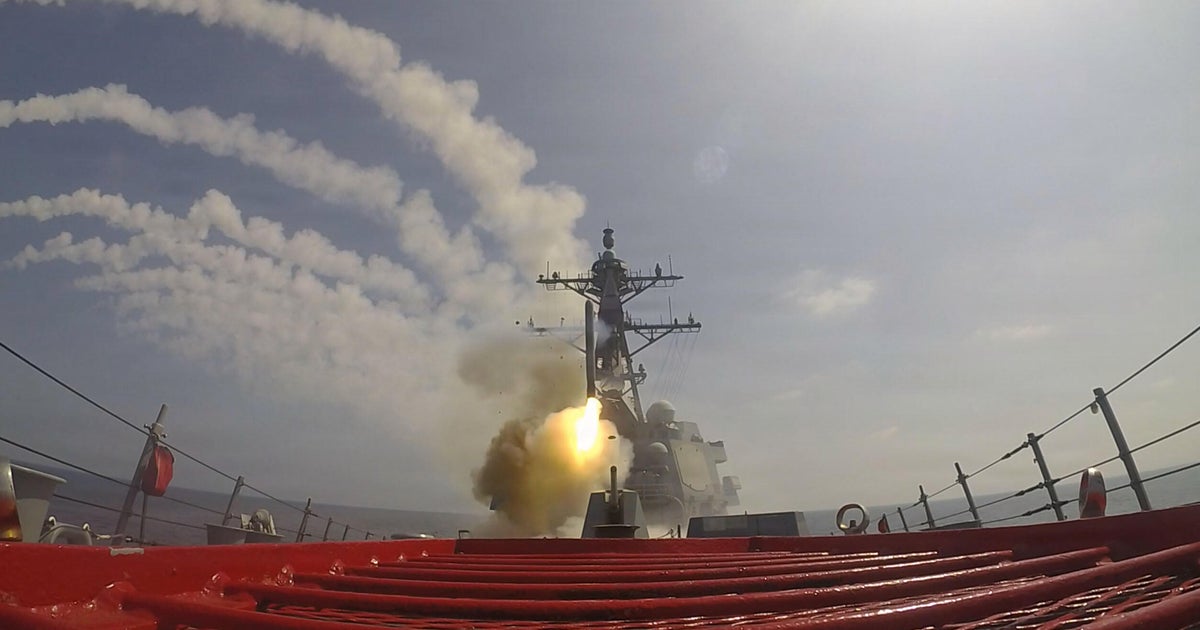
Cover image from cbsnews.com, which was analyzed for this article
Tensions escalate with Iranian missile attacks on US forces and joint US-Saudi strikes on Iran-backed groups in Iraq. Trump meets Netanyahu amid war powers debates and regional diplomacy.
PoliticalOS
Wednesday, July 29, 2026 — Politics
The latest exchanges show that neither side has yet found a durable way to pause fighting while core disputes over shipping lanes, proxy attacks, and security guarantees remain open. Trump’s meetings with Netanyahu occur against this backdrop of competing pressures from allies and the immediate economic effects of renewed strikes.
What outlets missed
Several outlets omitted any reference to the February 28 start date of sustained US-Israeli operations against Iran, leaving readers without a clear timeline for the current escalation. One analysis noted contemporaneous reports from WSJ and AP of two or three US service members killed at a Jordan base, a detail absent from most coverage and therefore unverified across the provided sources. Internal Iranian regime divisions described by the Institute for the Study of War were mentioned in only one dispatch. Cumulative casualty figures for US personnel since February, cited by the Pentagon in one account, received little attention elsewhere.
US Forces Targeted in Surprise Iranian Strike as Diplomacy Falters
US Central Command reported Tuesday that Iranian forces launched multiple ballistic missiles toward American positions in the Middle East in what it described as an attempted surprise attack. All missiles were intercepted with no reported damage or casualties on the American side. The move came hours after President Trump held meetings at the White House with Israeli Prime Minister Benjamin Netanyahu and Ukrainian President Volodymyr Zelenskyy.
The Iranian Islamic Revolutionary Guard Corps claimed the missiles struck a US air base and command center in Jordan. American officials did not confirm the exact targets but said the attack ended a brief lull in direct exchanges. That pause had followed Trump's decision last week to halt an earlier round of intensive US strikes on Iran after 13 days, citing progress in talks.
In quick response, US and Saudi aircraft hit multiple sites in eastern Iraq used by Iran-backed militias. The strikes focused on logistics and weapons storage areas. Saudi officials said the action defended their energy facilities after more than 30 drone attempts from Iraqi territory in recent days. Iraq's Popular Mobilization Forces, an umbrella group that includes Shia militias aligned with Tehran, stated that at least 20 of its fighters were killed and 32 wounded across seven provinces.
The joint US-Saudi operation marked a rare direct Saudi role in the current round of fighting. Saudi forces have historically avoided such visible participation. CENTCOM described the militia attacks on US troops and Saudi infrastructure as directed by Iran's Revolutionary Guard. The Iranian side framed its missile launch as retaliation for prior American actions.
This flare-up arrives at a delicate moment. Trump has repeatedly signaled a preference for ending open-ended commitments in the region rather than expanding them. His administration has faced pressure from some allies to maintain a hard line against Iran while others urge restraint to avoid wider involvement. The meetings with Netanyahu and Zelenskyy took place against this backdrop, with both leaders seeking continued American support for their own security concerns.
Critics of sustained US engagement in the Middle East have long pointed to the pattern of tit-for-tat strikes that draw in more resources without clear resolution. American forces have faced hundreds of attempted attacks from Iran-aligned groups in Iraq alone over recent months. Each cycle raises the risk of miscalculation and deeper entanglement. The intercepted nature of the latest Iranian barrage shows defensive systems held, yet the decision to respond with cross-border strikes on Iraqi soil expands the theater.
Regional analysts note that Saudi participation could reflect heightened concern over its own oil infrastructure. At the same time, the involvement risks pulling additional actors into a conflict that has already disrupted shipping lanes and raised global energy prices. Iranian statements have warned that further aggression will meet continued resistance.
Trump administration officials have not detailed next steps beyond restating that attacks on US personnel will not go unanswered. The episode underscores the difficulty of shifting away from confrontation once momentum builds. Past efforts at de-escalation in similar disputes have often collapsed under pressure from hardliners on both sides.
For American taxpayers and service members, the return of active exchanges means renewed deployments, higher operational costs, and the constant threat of casualties in a theater far from US borders. The administration's stated goal of prioritizing domestic interests now faces a direct test as events on the ground pull policy in the opposite direction.
You just read America First's take. Want to read what actually happened?
More in Politics
Democrats Flip Senate, Expand House Majority in Midterms
Democrats flipped the Senate and expanded their House majority in a major rebuke to President Trump and Republicans. Key victories included multiple Senate seats and state-level wins that ended long-standing GOP dominance in places like Texas.
GOP Losses Spur Blame, Vance Distancing, 2028 Maneuvers
Republicans are pointing fingers internally after heavy losses, with Vice President JD Vance distancing himself from Trump over the Iran war and positioning for a potential 2028 run. Challengers within the party are already sensing opportunity.
Democrats Take House and Senate Amid Record Midterm Turnout
Democrats achieved decisive gains in the 2026 midterms, flipping seats to take control of both chambers. Coverage highlights historic turnout and implications for the Trump administration.
Democrats Take House and Senate, Constraining Trump
Democrats flipped both the House and Senate in a major rebuke to President Trump and Republicans. The results create divided government and set up battles over spending, oversight, and foreign policy for the remainder of Trump's term.
The Compass
You just read five takes on one story.
What's your take? Find your political shape in a few minutes.
Take the test