
Iran-Oman Hormuz talks near deal as Trump eyes end to war
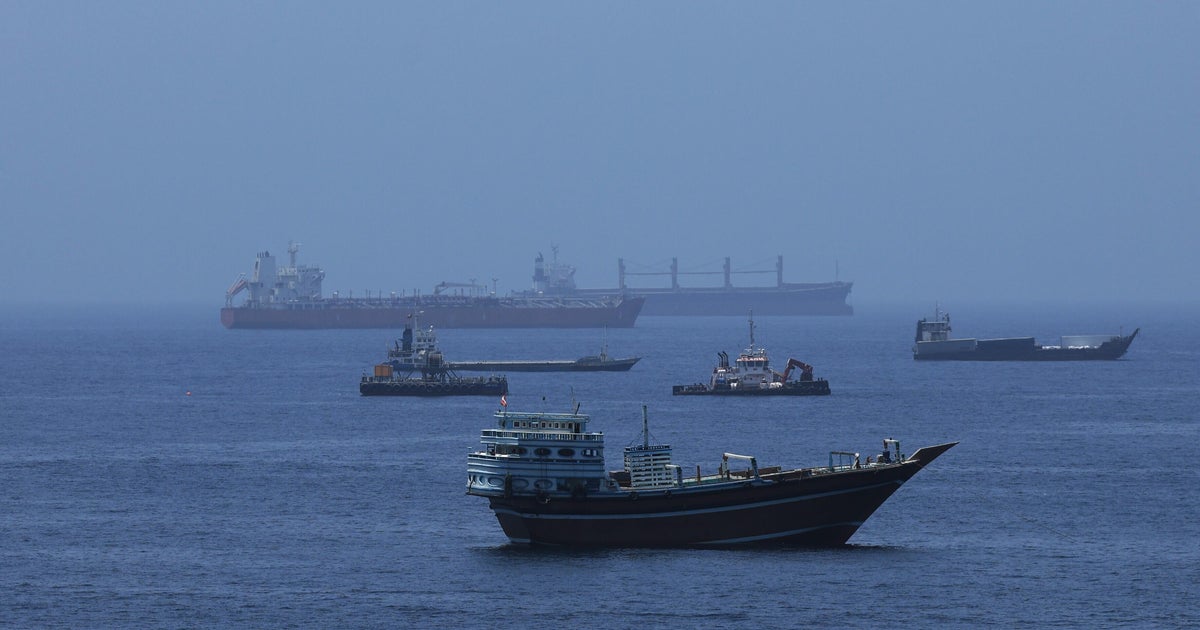
Cover image from cbsnews.com, which was analyzed for this article
President Trump said negotiations with Iran over the Strait of Hormuz are moving forward. Some Iranian lawmakers have pushed to restrict US and Israeli access.
PoliticalOS
Friday, August 7, 2026 — Politics
A narrow technical agreement on Hormuz routing may be reachable within days, yet it would still leave the larger questions of war aims, weapons inventories, and long-term control of the waterway unresolved. Readers should watch whether any announced deal includes fees or Iranian route authority, the two points Washington has publicly ruled out.
What outlets missed
Al Jazeera omitted that Iran closed the strait in early March 2026, an action that preceded later U.S. and Israeli strikes and triggered the energy crisis. CBS and Newsmax did not report the unverified Iranian parliamentary bill cited by Fars. None of the outlets independently confirmed the exact split of service-fee revenue or the final coordinates agreed upon by Iran and Oman. The initiation sequence and the single-source nature of the bill remain the clearest gaps across the coverage.
Trump Eyes Hormuz Deal as US Missile Stocks Near Depletion
President Donald Trump told reporters Thursday that a deal to reopen the Strait of Hormuz could be reached as soon as today or tomorrow, pointing to ongoing talks between Iran and Oman as a potential path out of the widening conflict. The waterway, through which roughly one-fifth of global oil normally passes, has remained closed since the early stages of the US-Iran war, contributing to a worldwide energy crunch and higher fuel costs at the pump.
Iranian Foreign Minister Esmaeil Baqaei described the discussions with Oman as constructive, telling state broadcaster IRIB that Tehran is working to establish mechanisms for managing shipping traffic in cooperation with Muscat. An Iranian source familiar with the negotiations told CBS News that the focus has been on practical arrangements rather than broader political concessions. Both sides have agreed on coordinates for shipping routes, though disagreements persist over who will ultimately control access and whether Iran will be permitted to levy fees or restrict vessels from the United States and its allies.
Trump has repeatedly signaled optimism about an imminent breakthrough, telling reporters in the Oval Office that the war cannot continue much longer and that he is directly involved in efforts to end it. He has also promised that gasoline prices will fall once fighting stops. Iran, however, has denied holding direct talks with Washington, insisting that its only channel remains through Oman.
The urgency in Washington appears tied in part to mounting military strain. Two sources with direct knowledge of US operations said the Pentagon has nearly exhausted its global stockpile of long-range precision missiles during the campaign against Iran. Defense Secretary Pete Hegseth has previously downplayed concerns about shortages, but the reported depletion raises questions about the sustainability of sustained strikes.
Analysts note that Iran retains the ability to threaten commercial shipping with drones and missiles despite thousands of American attacks, giving Tehran leverage in any final arrangement. Former State Department official David Schenker suggested that economic pressure at home, including elevated energy prices that could hurt Republicans in the midterms, may push Trump toward accepting some Iranian role in managing the strait. Eliot Cohen, a former Bush administration official, warned that such a compromise would be difficult for a president who frames international affairs in terms of clear winners and losers.
The White House has ruled out any deal that would leave Iran with permanent control over the waterway or allow it to charge transit fees. Yet Iranian lawmakers have advanced a preliminary bill that would bar US, Israeli, and other hostile vessels from the strait, signaling that Tehran is unlikely to accept a return to the pre-war status quo. With direct US-Iran negotiations still off the table and Oman serving as the sole intermediary, the coming hours will test whether Washington can secure an agreement without further eroding its military reserves or conceding ground on a vital chokepoint for global energy supplies.
You just read Progressive's take. Want to read what actually happened?
More in Politics

Democrats Flip Senate, Expand House Majority in Midterms
Democrats flipped the Senate and expanded their House majority in a major rebuke to President Trump and Republicans. Key victories included multiple Senate seats and state-level wins that ended long-standing GOP dominance in places like Texas.

GOP Losses Spur Blame, Vance Distancing, 2028 Maneuvers
Republicans are pointing fingers internally after heavy losses, with Vice President JD Vance distancing himself from Trump over the Iran war and positioning for a potential 2028 run. Challengers within the party are already sensing opportunity.

Democrats Take House and Senate Amid Record Midterm Turnout
Democrats achieved decisive gains in the 2026 midterms, flipping seats to take control of both chambers. Coverage highlights historic turnout and implications for the Trump administration.
Democrats Take House and Senate, Constraining Trump
Democrats flipped both the House and Senate in a major rebuke to President Trump and Republicans. The results create divided government and set up battles over spending, oversight, and foreign policy for the remainder of Trump's term.
The Compass
You just read five takes on one story.
What's your take? Find your political shape in a few minutes.
Take the test