
U.S. Sanctions Target Iran's Trade Partners in New Economic Push
Cover image from bbc.co.uk, which was analyzed for this article
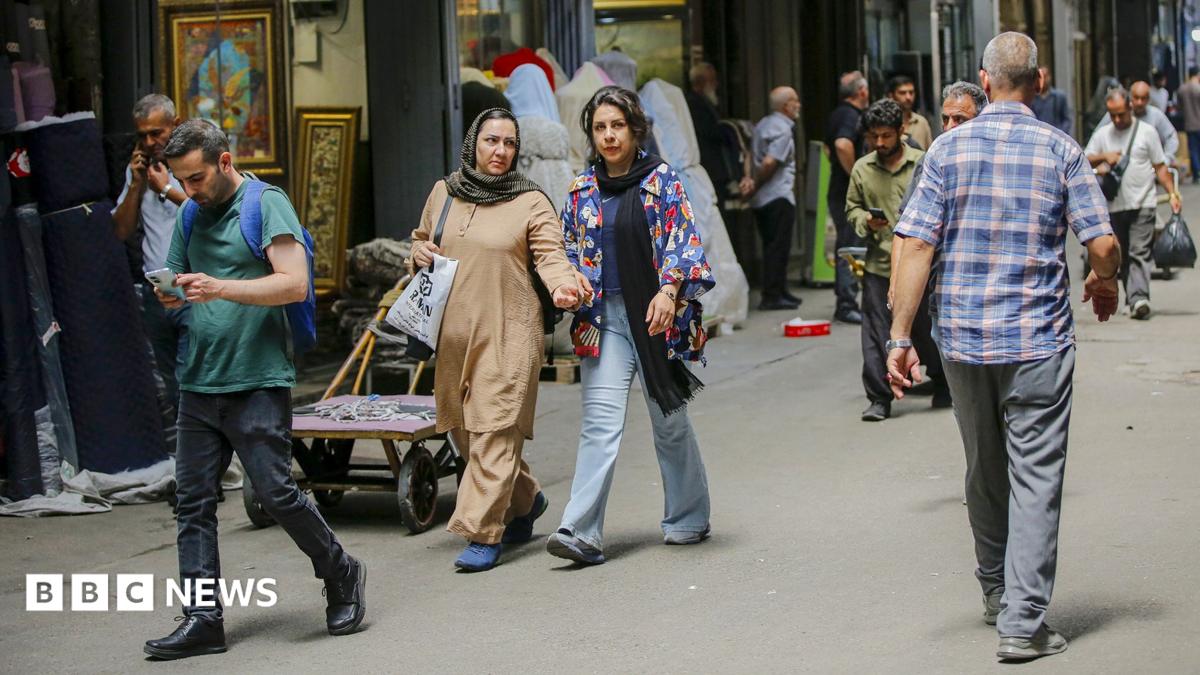
The Trump administration launched 'Operation Economic Outcast' with new sanctions on Iranian entities and threats of secondary sanctions on foreign partners. Iran vowed to counter the measures while analysts examined impacts on global oil flows and trading partners like China.
PoliticalOS
Tuesday, August 25, 2026 — Politics
The sanctions expand existing pressure on Iran's recorded trade partners, especially China, but enforcement remains phased and untested against major economies. Success hinges on whether secondary penalties are applied and whether alternative payment routes can be closed.
What outlets missed
Most reports omitted the precise count of 60 designations and the explicit expansion of secondary sanctions into digital assets and gold. Few detailed the documented 40 percent drop in Chinese oil purchases from prewar levels due to the blockade. Coverage rarely noted the expired August 17 ceasefire or the specific demands each side rejected before talks stalled. The role of Pakistan as mediator and the planned return of U.S. diplomats received little attention outside market-focused pieces.
Global oil markets and supply chains face renewed pressure after the Trump administration announced fresh sanctions on Iran and warned foreign partners of secondary penalties. The measures, unveiled Monday by Treasury Secretary Scott Bessent under the name Operation Economic Outcast, designate nearly 60 Iranian-linked entities, individuals and vessels while expanding restrictions to shipping, gold, aviation, technology and digital assets. The goal, Bessent stated, is to cut every economic connection that sustains Tehran until it stands alone.
The announcement arrives amid an ongoing U.S.-Israel conflict with Iran that began in late February and has included a naval blockade of Iranian ports. One-fifth of the world's oil normally transits the Strait of Hormuz, which Iran has effectively closed since the fighting started. Oil prices fell 3 percent on Tuesday to $89.40 for Brent crude, their lowest level since August 13, as traders weighed the sanctions against signs of possible diplomatic movement.
Bessent said countries continuing to trade with Iran would face isolation and gave them time to adjust before enforcement. He declined to name specific nations or deadlines, citing quiet diplomacy. When asked about China, he replied that no one stands above U.S. sanctions. China purchased an estimated $31 billion in Iranian crude in 2025, representing roughly 45 percent of Iran's government budget and about 90 percent of its seaborne oil exports, according to the U.S.-China Economic and Security Review Commission and tanker-tracking data. Beijing has rejected unilateral sanctions and said it will defend its interests.
Iran's Economy Minister Seyed Ali Madanizadeh said on state television that the government has a two-year plan and its own tools to respond. Iranian officials have threatened to target tankers on alternate routes if the pressure continues. The United Arab Emirates, previously Iran's largest import source at $21 billion in 2024, imposed a full trade embargo last week after missile incidents. Iraq, Turkey and India also maintain significant recorded trade ties with Iran that could face scrutiny.
Past sanctions campaigns have been evaded through smuggling and third-country networks, according to former Treasury officials. The current effort's reach will depend on whether major partners such as China comply or face penalties that could disrupt broader U.S.-China trade talks scheduled for September.
More in Politics
Trump at 32% Approval as Gas Prices Test GOP Midterm Hopes
NYT/Siena polling showed Trump's approval at historic lows around 32 percent with Democrats leading by double digits in key districts. Early voting has surged in battleground states.

Record Early Voting Hits Battlegrounds, Shifting Partisan Shares
AP analysis found hundreds of thousands more early ballots than in 2022 in states including Texas, Ohio, Kansas, Maine, and North Carolina, shifting partisan dynamics.
Trump Backs Marshall in Kansas Senate Race Tightened by Farm Costs
President Trump rallied in deep-red Kansas for GOP Sen. Roger Marshall in a competitive race, announcing an $8 billion farm fuel relief program amid high diesel prices. Democrats see an opening to end 94 years of GOP dominance in the state.

Trump Pauses Russia Sanctions Amid Ukraine Tensions and Missile Strikes
Trump waived sanctions on Russia and floated trilateral talks with Putin and Xi as part of ending the Ukraine war, while tensions rose with Zelenskyy over Starlink and arms. Bipartisan senators engaged Zelenskyy amid the shifts.
The Compass
You just read five takes on one story.
What's your take? Find your political shape in a few minutes.
Take the test