
Supreme Court Stays Injunctions on Trump Mail Ballot Order
Cover image from thefederalist.com, which was analyzed for this article
The Supreme Court backed an executive order limiting mail-in ballots ahead of midterms, raising concerns about potential chaos in states preparing to send ballots. Election officials and both parties are reacting to the implementation details.
PoliticalOS
Tuesday, August 25, 2026 — Politics
The Supreme Court cleared a procedural path for the administration's mail-ballot data rule but left its legality and practical reach undecided. States must now decide whether to attempt compliance or return to court on a compressed schedule that overlaps with ballot mailing deadlines.
What outlets missed
The Postal Service rule explicitly states it will not refuse ballots from voters absent from any state-submitted list and will not verify citizenship itself. The Supreme Court order was unsigned and per curiam, resting solely on the timing of the original challenges rather than the merits. No outlet detailed the precise barcode and portal mechanics or the 30-day flexible compliance window the rule offers states. The narrow scope of the stay, which leaves a separate Postal Service injunction in place until further motion, also received little attention.
States face abrupt new requirements for sending mail ballots just weeks before the November midterms after the Supreme Court stayed two district court injunctions blocking a Trump administration rule. The unsigned August 24 order does not decide whether the rule is lawful or constitutional. It holds only that challenges filed before any ballots were rejected were premature.
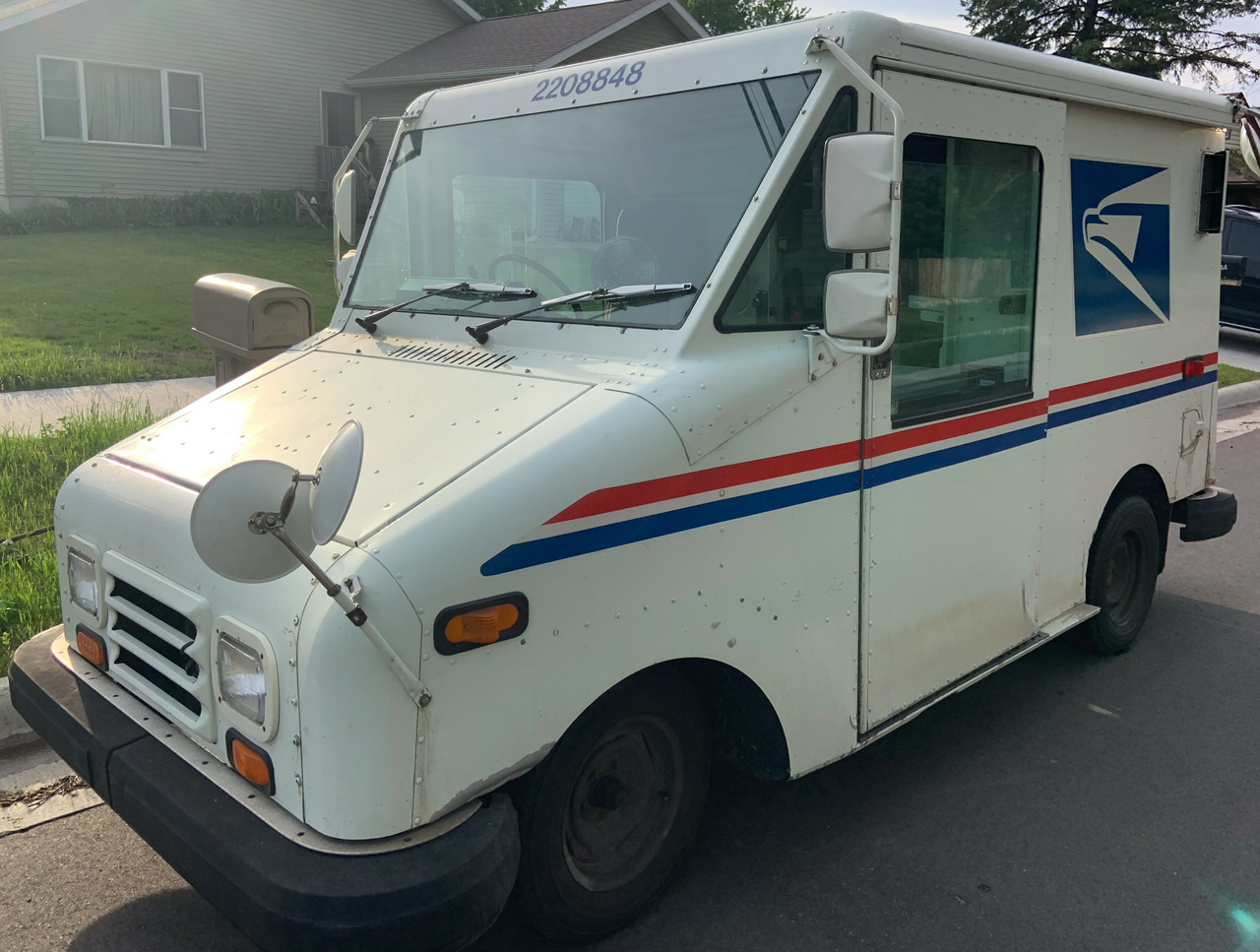
The rule, published by the Postal Service on August 22, requires states to submit voter names, addresses, and unique barcodes through a federal portal for any mail ballot carried by USPS. Envelopes must carry matching barcodes. Noncompliant ballots can be excluded from the mailstream. The Postal Service states it will not create its own voter lists or refuse ballots absent from state submissions, and it will not verify citizenship or eligibility. North Carolina begins mailing overseas ballots on September 4.
Justice Ketanji Brown Jackson dissented, writing that the decision "needlessly injects chaos and uncertainty into the upcoming midterm elections." Election officials in California, Nevada, and elsewhere said the deadlines make compliance impossible without redesigning envelopes already printed and building new data systems. Administration officials argued the prior injunctions blocked any opportunity to test the procedures.
The underlying executive order, signed in March, directed federal agencies to compile citizenship data and limit mail ballots to verified eligible voters. The SAVE America Act, which would have imposed broader identification rules, remains stalled in the Senate. Lower courts had blocked earlier versions of the policy on timing and standing grounds. Opponents plan new filings now that the final Postal Service rule exists.
Data from the Election Assistance Commission show 29 percent of 2024 voters used mail ballots, with higher rates among Democrats. The Constitution assigns primary control over election procedures to states and Congress. Legal observers note that any further rulings will occur close to or after some states begin mailing ballots.
More in Politics
Trump at 32% Approval as Gas Prices Test GOP Midterm Hopes
NYT/Siena polling showed Trump's approval at historic lows around 32 percent with Democrats leading by double digits in key districts. Early voting has surged in battleground states.

Record Early Voting Hits Battlegrounds, Shifting Partisan Shares
AP analysis found hundreds of thousands more early ballots than in 2022 in states including Texas, Ohio, Kansas, Maine, and North Carolina, shifting partisan dynamics.
Trump Backs Marshall in Kansas Senate Race Tightened by Farm Costs
President Trump rallied in deep-red Kansas for GOP Sen. Roger Marshall in a competitive race, announcing an $8 billion farm fuel relief program amid high diesel prices. Democrats see an opening to end 94 years of GOP dominance in the state.

Trump Pauses Russia Sanctions Amid Ukraine Tensions and Missile Strikes
Trump waived sanctions on Russia and floated trilateral talks with Putin and Xi as part of ending the Ukraine war, while tensions rose with Zelenskyy over Starlink and arms. Bipartisan senators engaged Zelenskyy amid the shifts.
The Compass
You just read five takes on one story.
What's your take? Find your political shape in a few minutes.
Take the test