
U.S. Sanctions Target Iran's Trade Partners in New Economic Push
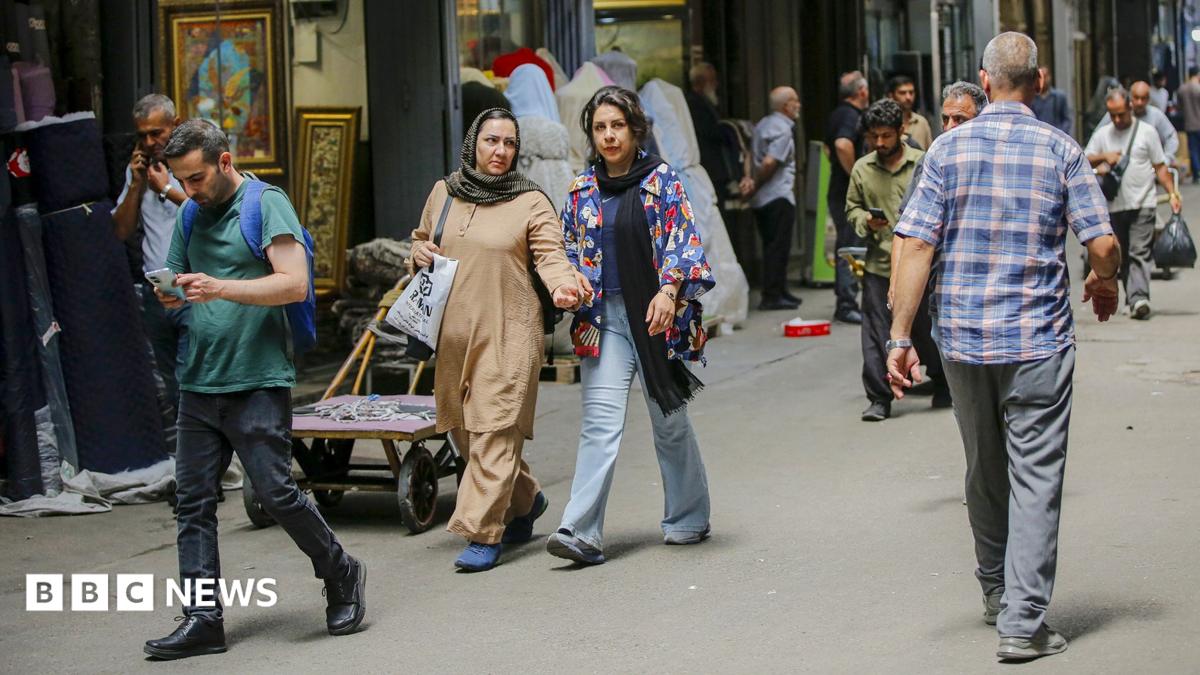
Cover image from bbc.co.uk, which was analyzed for this article
The Trump administration launched 'Operation Economic Outcast' with new sanctions on Iranian entities and threats of secondary sanctions on foreign partners. Iran vowed to counter the measures while analysts examined impacts on global oil flows and trading partners like China.
PoliticalOS
Tuesday, August 25, 2026 — Politics
The sanctions expand existing pressure on Iran's recorded trade partners, especially China, but enforcement remains phased and untested against major economies. Success hinges on whether secondary penalties are applied and whether alternative payment routes can be closed.
What outlets missed
Most reports omitted the precise count of 60 designations and the explicit expansion of secondary sanctions into digital assets and gold. Few detailed the documented 40 percent drop in Chinese oil purchases from prewar levels due to the blockade. Coverage rarely noted the expired August 17 ceasefire or the specific demands each side rejected before talks stalled. The role of Pakistan as mediator and the planned return of U.S. diplomats received little attention outside market-focused pieces.
US Treasury Unveils New Sanctions Drive to Isolate Iran
US Treasury Secretary Scott Bessent announced Monday a broad sanctions effort targeting Iran and entities that continue trading with it, describing the move as an attempt to cut off the regime's remaining economic connections after months of conflict. The action comes as the war with Iran, which began in February, shows no quick resolution and has already disrupted global energy flows through the Strait of Hormuz.
Bessent stated the goal is to sever every financial lifeline sustaining Tehran until it stands alone. The measures include designations against nearly 60 individuals, entities and vessels, along with expanded secondary sanctions covering shipping, gold, aviation, technology and digital assets. Officials indicated that countries maintaining trade ties face potential isolation but will first receive private requests to scale back dealings rather than immediate penalties.
Iran's top export markets remain concentrated in Asia and the region. Customs data show China as the largest buyer of Iranian oil, followed by Iraq, which relies on Iranian gas and electricity. Other partners include Turkey, the United Arab Emirates and India. Much of Iran's oil trade occurs outside official records through discounted sales and shadow fleets, allowing the regime to generate revenue despite prior restrictions.
Iran's economy minister responded by warning that Tehran has developed contingency plans and possesses tools to counter the pressure. Officials there suggested the global financial system cannot be fully closed off and hinted at possible retaliatory steps, including threats to halt regional oil exports if the conflict continues.
Oil markets reacted with price declines rather than spikes. Brent crude fell about 3 percent to a 12-day low near 89 dollars per barrel, while West Texas Intermediate dropped similarly. The moves followed reports that the US may soon return some diplomats to the region, signaling expectations that outright warfare will not resume immediately.
Past sanctions campaigns have shown mixed results. Regimes under pressure have often shifted to smuggling networks, third-party intermediaries and non-dollar settlements to keep revenue flowing. The current effort repeats elements of earlier approaches, including warnings to foreign banks and refiners, yet enforcement has historically required sustained political will and cooperation that proved difficult to maintain.
The prolonged conflict has already raised costs for the US and its allies through depleted munitions stocks and strained relations with Gulf states dependent on open energy routes. Markets appear to price in the possibility that additional restrictions will encounter the same workarounds seen before, limiting their immediate impact on supply.
You just read Conservative's take. Want to read what actually happened?
More in Politics

Democrats Flip Senate, Expand House Majority in Midterms
Democrats flipped the Senate and expanded their House majority in a major rebuke to President Trump and Republicans. Key victories included multiple Senate seats and state-level wins that ended long-standing GOP dominance in places like Texas.

GOP Losses Spur Blame, Vance Distancing, 2028 Maneuvers
Republicans are pointing fingers internally after heavy losses, with Vice President JD Vance distancing himself from Trump over the Iran war and positioning for a potential 2028 run. Challengers within the party are already sensing opportunity.

Democrats Take House and Senate Amid Record Midterm Turnout
Democrats achieved decisive gains in the 2026 midterms, flipping seats to take control of both chambers. Coverage highlights historic turnout and implications for the Trump administration.
Democrats Take House and Senate, Constraining Trump
Democrats flipped both the House and Senate in a major rebuke to President Trump and Republicans. The results create divided government and set up battles over spending, oversight, and foreign policy for the remainder of Trump's term.
The Compass
You just read five takes on one story.
What's your take? Find your political shape in a few minutes.
Take the test