
U.S. Sanctions Target Iran's Trade Partners in New Economic Push
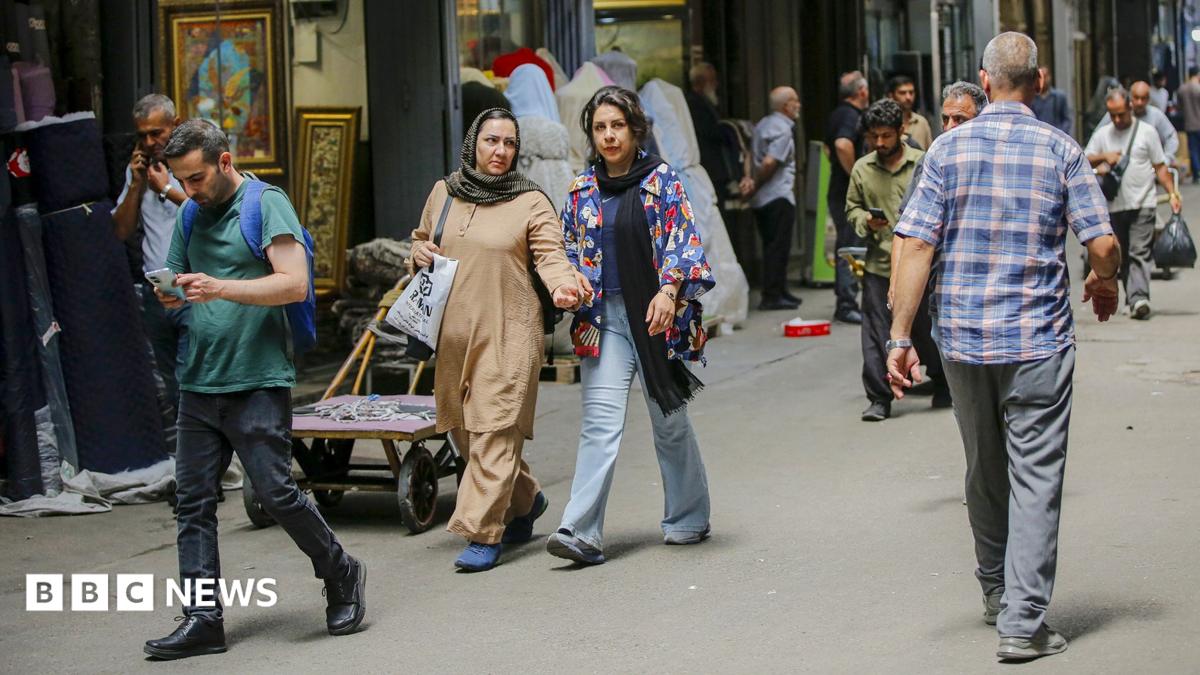
Cover image from bbc.co.uk, which was analyzed for this article
The Trump administration launched 'Operation Economic Outcast' with new sanctions on Iranian entities and threats of secondary sanctions on foreign partners. Iran vowed to counter the measures while analysts examined impacts on global oil flows and trading partners like China.
PoliticalOS
Tuesday, August 25, 2026 — Politics
The sanctions expand existing pressure on Iran's recorded trade partners, especially China, but enforcement remains phased and untested against major economies. Success hinges on whether secondary penalties are applied and whether alternative payment routes can be closed.
What outlets missed
Most reports omitted the precise count of 60 designations and the explicit expansion of secondary sanctions into digital assets and gold. Few detailed the documented 40 percent drop in Chinese oil purchases from prewar levels due to the blockade. Coverage rarely noted the expired August 17 ceasefire or the specific demands each side rejected before talks stalled. The role of Pakistan as mediator and the planned return of U.S. diplomats received little attention outside market-focused pieces.
US Launches Sweeping Sanctions Drive Against Iran as War Stalls
The Trump administration has rolled out an expansive new sanctions campaign against Iran, with Treasury Secretary Scott Bessent describing it as the start of an unprecedented financial offensive aimed at cutting off every remaining economic connection to the country. The measures, unveiled on Monday and branded internally as Operation Economic Outcast, target more than 60 entities, individuals and vessels while expanding secondary sanctions into shipping, gold, aviation, technology and digital assets.
Bessent wrote in a Financial Times opinion piece that the goal is to leave Tehran standing alone, and he warned that countries continuing to do business with Iran should expect to share its isolation. President Trump has been phoning foreign leaders to press them to halt dealings with Tehran, though no specific nations or deadlines were named during the announcement. The move comes after months of shifting US objectives in the conflict that began at the end of February, moving from nuclear restrictions to broader pressure on the regime and control of the Strait of Hormuz.
Iranian officials responded by rejecting the threats and signaling readiness for countermeasures. Economy Minister Seyed Ali Madanizadeh told state media that Tehran has developed plans for multiple scenarios and would not limit itself to defense. The government has previously stated it would halt all regional oil exports if the conflict continues and has warned shipping to avoid the Strait of Hormuz without permission. One-fifth of global oil and gas normally moves through the waterway, though traffic has been blocked since fighting began.
The sanctions build on years of prior US efforts that Iranian authorities have repeatedly circumvented through smuggling networks and alternative payment channels. China remains the dominant buyer of Iranian crude, taking the large majority of seaborne exports often at discounted prices and through shadow fleets. Trade data show China as Iran’s top export partner by far, followed by Iraq, which relies on Iranian gas and electricity. The United Arab Emirates and India also maintain significant commercial ties that could now face scrutiny.
Oil markets reacted to the announcements by pushing prices lower, with Brent crude falling 3 percent to a 12-day low near 89 dollars a barrel. Traders appeared to discount immediate supply disruptions, especially after reports that the State Department is preparing to return some evacuated diplomats to the region. US officials have left open the possibility of further military action but described economic pressure as the current priority.
Past sanctions rounds produced mixed results, with the Iranian economy showing resilience through non-dollar transactions and third-party intermediaries. The latest campaign gives trading partners time to adjust before any secondary penalties take effect, a deliberate choice Bessent framed as quiet diplomacy rather than immediate confrontation. Whether major partners such as China will alter long-standing arrangements remains the central unanswered question hanging over the effort.
You just read Progressive's take. Want to read what actually happened?
More in Politics
Democrats Flip Senate, Expand House Majority in Midterms
Democrats flipped the Senate and expanded their House majority in a major rebuke to President Trump and Republicans. Key victories included multiple Senate seats and state-level wins that ended long-standing GOP dominance in places like Texas.
GOP Losses Spur Blame, Vance Distancing, 2028 Maneuvers
Republicans are pointing fingers internally after heavy losses, with Vice President JD Vance distancing himself from Trump over the Iran war and positioning for a potential 2028 run. Challengers within the party are already sensing opportunity.
Democrats Take House and Senate Amid Record Midterm Turnout
Democrats achieved decisive gains in the 2026 midterms, flipping seats to take control of both chambers. Coverage highlights historic turnout and implications for the Trump administration.
Democrats Take House and Senate, Constraining Trump
Democrats flipped both the House and Senate in a major rebuke to President Trump and Republicans. The results create divided government and set up battles over spending, oversight, and foreign policy for the remainder of Trump's term.
The Compass
You just read five takes on one story.
What's your take? Find your political shape in a few minutes.
Take the test