
US-Iran tanker strikes resume as June ceasefire unravels
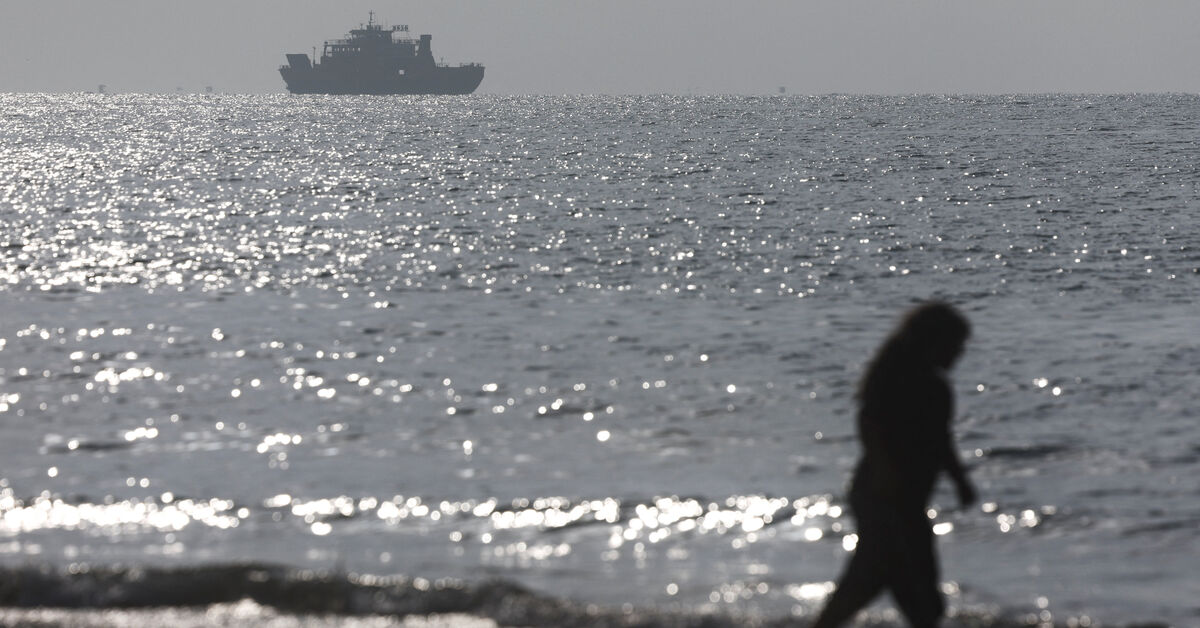
Cover image from al-monitor.com, which was analyzed for this article
US strikes on Iranian oil tankers linked to IRGC follow alleged missile attacks, with Iran vowing reprisals. Coverage examines the months-long conflict's trajectory and economic ripple effects like fuel prices.
PoliticalOS
Sunday, September 6, 2026 — Politics
The tanker exchanges have raised oil prices and narrowed the window for renewed diplomacy, yet the absence of verified details on the conflict's origins and the June ceasefire violations leaves the path to de-escalation dependent on unconfirmed assumptions held by each side.
What outlets missed
Most coverage omitted any documented Iranian actions or statements in the weeks immediately before the February 28 strikes that opened the current phase. No outlet supplied independent verification of daily oil transit volumes claimed by US officials or the precise terms of any Iran-Oman shipping arrangement. The human and material effects of the naval blockade on Iranian ports and the specific sequence of violations that ended the June ceasefire also received little cross-checked detail across the four pieces.
Global oil markets face renewed pressure after the United States struck three Iranian tankers and Iran launched ballistic missiles at two US Navy ships in the Strait of Hormuz region. The exchanges on September 5 and 6 mark the latest round in a conflict that began with US-Israeli strikes on Iran on February 28 and has already disrupted energy flows through a waterway that carried 20 percent of world oil supplies before the fighting. A preliminary ceasefire reached in June collapsed within weeks, leaving both sides trading accusations over tanker movements and naval blockades.
US Central Command reported that its forces hit the vessels, including one near Kharg Island, after Iranian missiles targeted an aircraft carrier and destroyer. Admiral Brad Cooper stated that the response imposed a higher economic cost. Iran’s Islamic Revolutionary Guard Corps said it fired missiles at the US ships in response to harassment and a naval blockade, then struck three oil tankers using an unauthorized route plus three additional US-linked vessels. No US personnel were injured. Iranian officials, including Parliament Speaker Mohammad Baqer Qalibaf, warned that future attacks would draw faster and more painful replies.
The fighting has driven Brent crude to $96.28 a barrel, its highest level since July 24, while US diesel reached a record $5.85 per gallon. Iranian sources described economic strain from sanctions and the blockade of oil exports, with the government forming an Economic War Headquarters to address currency swings and inflation. Marine data showed sharply reduced tanker traffic through the strait in recent days. Analysts noted that neither side appears willing to absorb the costs required to force the other to yield, raising the prospect of further clashes and civilian casualties.
Iranian Oil Minister Mohsen Paknejad said Kharg Island had been hit roughly 550 times in prior months yet continued operating. US Treasury measures target Iranian revenue sources worldwide. Iranian lawmakers framed the confrontation as existential, while US statements emphasized enforcement of freedom of navigation. A Reuters report carried by Al-Monitor and statements from both militaries supplied the core sequence of recent events; claims of a secret Iran-Oman transit corridor and specific civilian deaths in Sirik remain unverified by other outlets.
More in Politics

Trump Defends Ramaswamy Ad Using Estranged Mother in Ohio Race
President Trump defended a GOP nominee's ad featuring a Democratic opponent's estranged mother, calling it powerful, while drawing criticism from some Republicans including Ohio Gov. Mike DeWine. The ad has sparked internal GOP tensions ahead of midterms.

Federal Raid Targets Omar Amid Unresolved Name and Marriage Allegations
Agents searched Rep. Ilhan Omar's DC residence over immigration fraud allegations; she called it bizarre. Reports and commentary questioned her birth name and past marriage details.

Supreme Court Upholds New Hampshire Student ID Voting Ban
The Supreme Court upheld New Hampshire's ban on student IDs as valid voter identification just before midterms, affecting a tight Senate race.
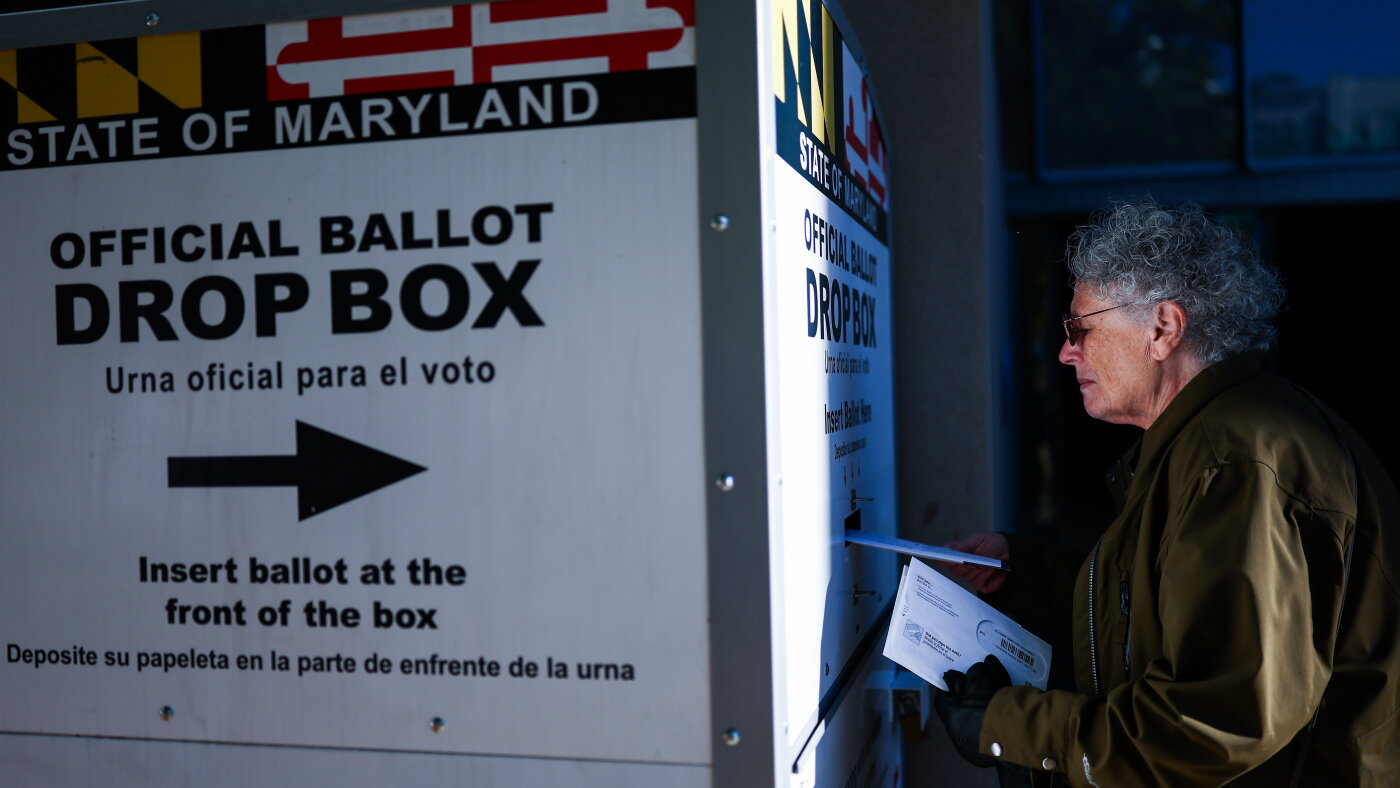
Early Voting Hits 21 Million as Most Trust Midterm Accuracy
Millions have already voted early as parties make final appeals amid $1.4 billion in ad spending; polls show confidence in election accuracy.
The Compass
You just read five takes on one story.
What's your take? Find your political shape in a few minutes.
Take the test