
Trump Super PAC Spends $10M in Tight Texas Senate Race

Cover image from foxnews.com, which was analyzed for this article
Republicans face challenges escaping Trump's influence as his super PAC spends heavily in key races like Texas Senate. Democrats highlight economic discontent while both parties focus on voting rules, redistricting, and control of Congress.
PoliticalOS
Sunday, September 6, 2026 — Politics
Republicans enter the final stretch defending slim congressional majorities while relying on Trump’s financial and turnout resources in an environment where Democrats hold polling and enthusiasm edges. The Texas Senate race illustrates the immediate spending pressure, yet broader questions about redistricting effects, mail-ballot rules, and voter mobilization remain unresolved two months before Election Day.
What outlets missed
Most coverage omitted detailed cash-on-hand comparisons between the parties or the specific mechanics of early mail-ballot deadlines in North Carolina and Wisconsin. Few outlets examined how redistricting changes in Texas and North Carolina altered the racial composition of specific districts or quantified the number of Republican retirements creating open seats. The $10 million Texas buy was reported in isolation rather than placed against MAGA Inc.’s total reserves of roughly $400 million and the limited prior spending in other competitive races.
Voters head into the final two months of the 2026 midterms with control of Congress at stake and President Donald Trump’s role in Republican strategy drawing intense focus. Republicans hold narrow majorities in both chambers and must defend them in an environment where historical patterns favor the opposition party. Inflation remains elevated, the president’s approval ratings sit at low levels, and Democrats lead generic-ballot polling by margins of three to eight points in most recent surveys.
MAGA Inc., the super PAC tied to Trump, made its first major purchase of the cycle on September 6 with a $10 million ad buy supporting Texas Attorney General Ken Paxton against Democratic state Rep. James Talarico. Federal Election Commission filings show the money will fund digital and television ads across the state. Polls have shown the candidates running neck and neck after Paxton defeated incumbent Sen. John Cornyn in the Republican primary with Trump’s endorsement. Talarico’s campaign has raised $72 million, mostly from small donors, compared with $16.8 million for Paxton, according to the Texas Tribune.
Republicans face a structural challenge: they need Trump’s fundraising base and turnout operation while trying to keep the election from becoming a referendum on the president. Trump has scheduled an unusual midterm convention in Dallas later this month and has said voters should treat the contest as if he were on the ballot. Some vulnerable House Republicans have aired ads highlighting limited disagreements with Trump or have removed his endorsement from campaign materials. Democrats are emphasizing affordability, pointing to tariffs, cuts to safety-net programs, and the administration’s foreign policy as drivers of higher costs.
Redistricting changes in several states and contests for secretary of state in 26 states add further layers. Six candidates backed by groups skeptical of 2020 election procedures reached November ballots in key states. Early mail ballots have already begun moving in North Carolina and Wisconsin under existing rules while litigation continues over proposed new Postal Service procedures. Republican candidates hold a cash advantage overall, with party committees reporting roughly $277 million on hand compared with $136 million for Democrats as of June 30.
More in Politics

Trump Defends Ramaswamy Ad Using Estranged Mother in Ohio Race
President Trump defended a GOP nominee's ad featuring a Democratic opponent's estranged mother, calling it powerful, while drawing criticism from some Republicans including Ohio Gov. Mike DeWine. The ad has sparked internal GOP tensions ahead of midterms.
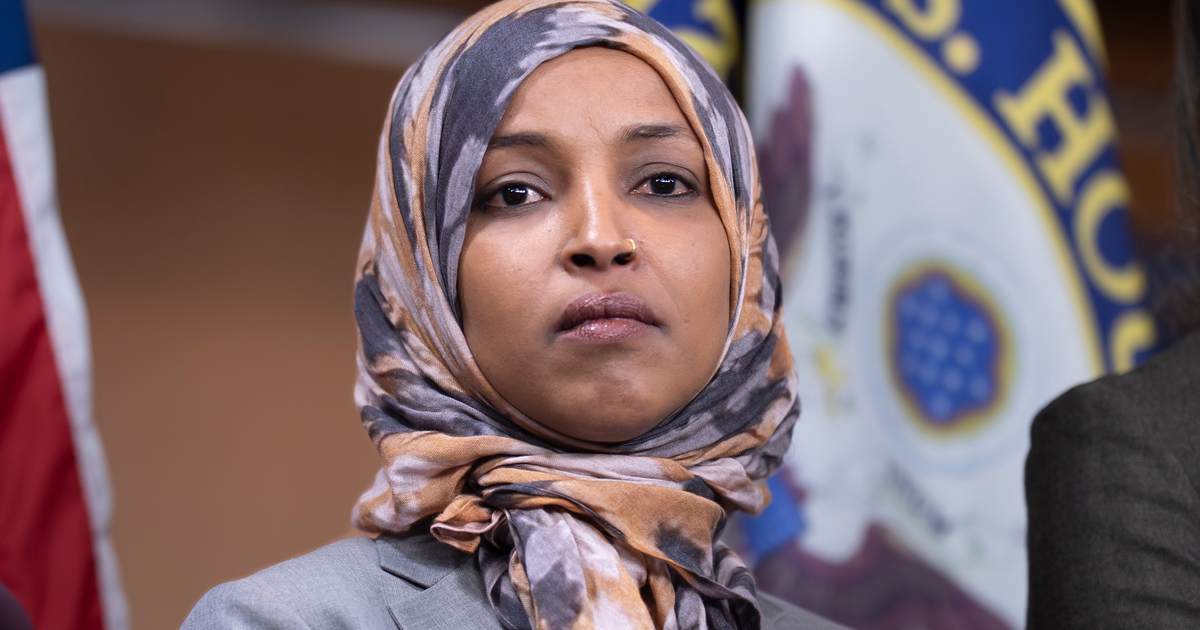
Federal Raid Targets Omar Amid Unresolved Name and Marriage Allegations
Agents searched Rep. Ilhan Omar's DC residence over immigration fraud allegations; she called it bizarre. Reports and commentary questioned her birth name and past marriage details.

Supreme Court Upholds New Hampshire Student ID Voting Ban
The Supreme Court upheld New Hampshire's ban on student IDs as valid voter identification just before midterms, affecting a tight Senate race.
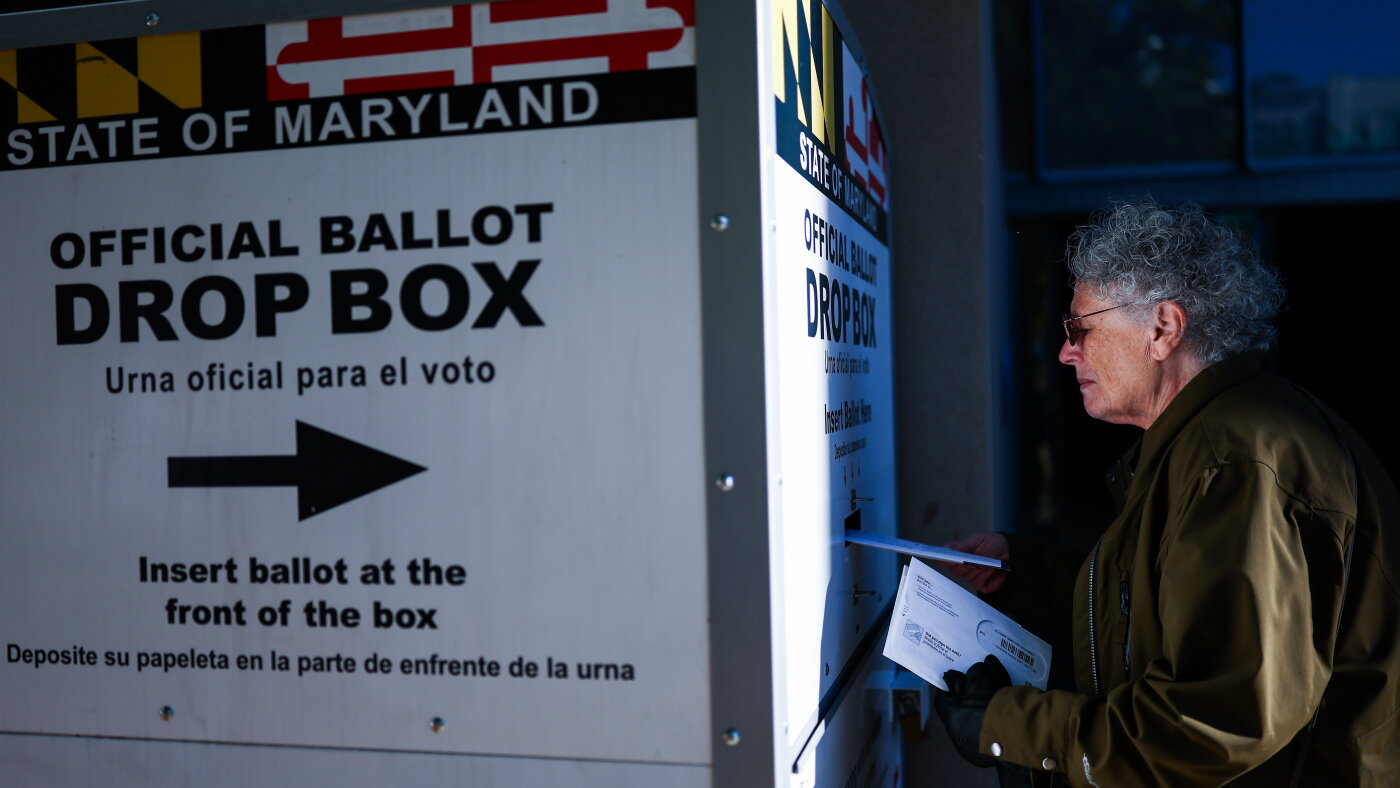
Early Voting Hits 21 Million as Most Trust Midterm Accuracy
Millions have already voted early as parties make final appeals amid $1.4 billion in ad spending; polls show confidence in election accuracy.
The Compass
You just read five takes on one story.
What's your take? Find your political shape in a few minutes.
Take the test