
US-Iran tanker strikes resume as June ceasefire unravels
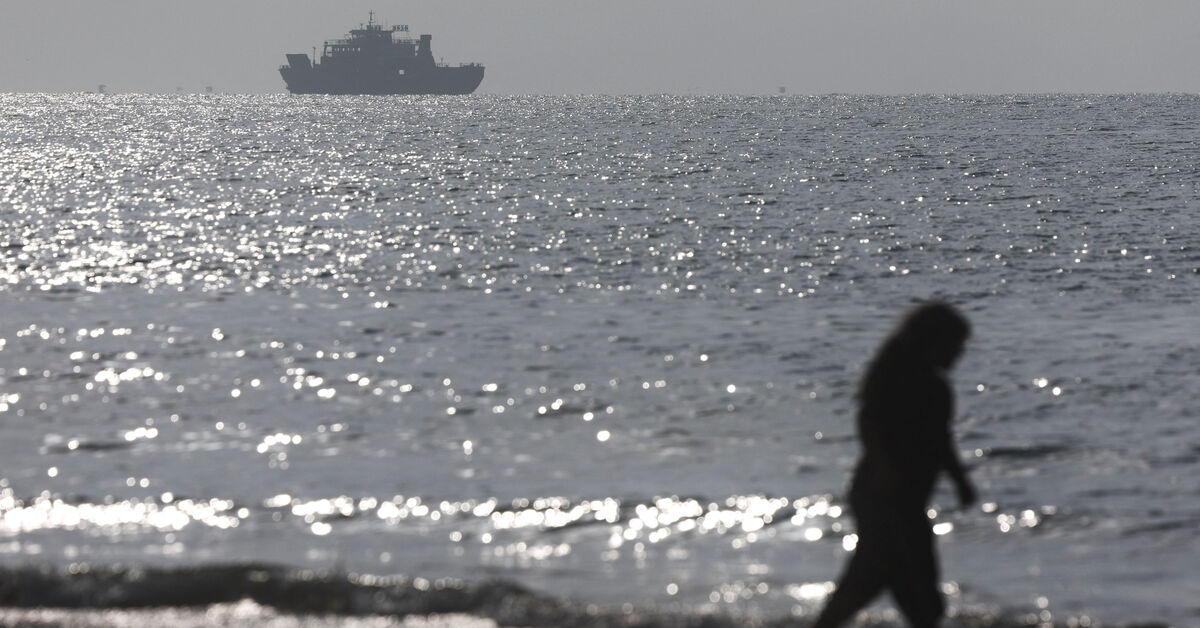
Cover image from al-monitor.com, which was analyzed for this article
US strikes on Iranian oil tankers linked to IRGC follow alleged missile attacks, with Iran vowing reprisals. Coverage examines the months-long conflict's trajectory and economic ripple effects like fuel prices.
PoliticalOS
Sunday, September 6, 2026 — Politics
The tanker exchanges have raised oil prices and narrowed the window for renewed diplomacy, yet the absence of verified details on the conflict's origins and the June ceasefire violations leaves the path to de-escalation dependent on unconfirmed assumptions held by each side.
What outlets missed
Most coverage omitted any documented Iranian actions or statements in the weeks immediately before the February 28 strikes that opened the current phase. No outlet supplied independent verification of daily oil transit volumes claimed by US officials or the precise terms of any Iran-Oman shipping arrangement. The human and material effects of the naval blockade on Iranian ports and the specific sequence of violations that ended the June ceasefire also received little cross-checked detail across the four pieces.
US and Iran Trade Blows in Hormuz as Tanker Strikes Mount
US Central Command reported strikes on three Iranian oil tankers in the past day, including vessels near Kharg Island and Jask as well as one in the Gulf of Oman. Iranian forces responded by targeting additional tankers and launching ballistic missiles toward two American warships near the Strait of Hormuz. The exchanges mark the latest round in a conflict that has dragged on for months with no clear path to resolution.
The Strait remains a critical passage for global energy supplies, and both sides have stepped up efforts to control traffic through it. Washington maintains a naval blockade on Iranian ports while claiming more oil is moving despite the restrictions. Tehran has used the waterway as leverage, warning that further attacks will bring faster and heavier responses. Iranian Parliament Speaker Mohammad Baqer Qalibaf stated that the rules have changed and that any strike on Iranian interests will meet a more painful reply.
A June ceasefire collapsed within weeks, with renewed fighting by early September. Iran has signaled willingness to return to those earlier terms, but American officials have shown little interest in treating the offer as genuine. Past negotiations produced only temporary halts, followed by resumed attacks on both sides. The pattern suggests neither capital sees value in a lasting accommodation.
Oman attempted to broker a workaround through a secret transit agreement that allowed some vessels to use Iranian waters in exchange for shared fees. Details leaked quickly, and Washington rejected the arrangement outright, threatening financial isolation for any party cooperating with Tehran. The episode left Muscat exposed and turned a potential back channel into another point of friction.
Iran faces mounting pressure from sanctions and the blockade, which have squeezed its economy and limited oil exports. Officials in Tehran acknowledge the domestic strain while insisting they retain the ability to disrupt shipping or strike American interests in the region. At the same time, the United States has committed naval resources and conducted repeated strikes without producing a decisive advantage.
The fighting has already contributed to higher energy costs and slower growth in multiple countries. American involvement continues without a defined endpoint or public accounting of the resources required to sustain the blockade and carrier presence. Iranian leaders have framed their position as defensive, while Washington portrays its actions as necessary to keep oil flowing. Neither description has altered the underlying stalemate.
Further escalation carries obvious risks for shipping lanes that carry a significant share of world oil supplies. Past experience shows that tanker conflicts tend to drag on and expand rather than resolve through incremental strikes. The current approach leaves both sides testing limits without a mechanism to pull back.
You just read America First's take. Want to read what actually happened?
More in Politics
Democrats Flip Senate, Expand House Majority in Midterms
Democrats flipped the Senate and expanded their House majority in a major rebuke to President Trump and Republicans. Key victories included multiple Senate seats and state-level wins that ended long-standing GOP dominance in places like Texas.
GOP Losses Spur Blame, Vance Distancing, 2028 Maneuvers
Republicans are pointing fingers internally after heavy losses, with Vice President JD Vance distancing himself from Trump over the Iran war and positioning for a potential 2028 run. Challengers within the party are already sensing opportunity.
Democrats Take House and Senate Amid Record Midterm Turnout
Democrats achieved decisive gains in the 2026 midterms, flipping seats to take control of both chambers. Coverage highlights historic turnout and implications for the Trump administration.
Democrats Take House and Senate, Constraining Trump
Democrats flipped both the House and Senate in a major rebuke to President Trump and Republicans. The results create divided government and set up battles over spending, oversight, and foreign policy for the remainder of Trump's term.
The Compass
You just read five takes on one story.
What's your take? Find your political shape in a few minutes.
Take the test