
US-Iran tanker strikes resume as June ceasefire unravels
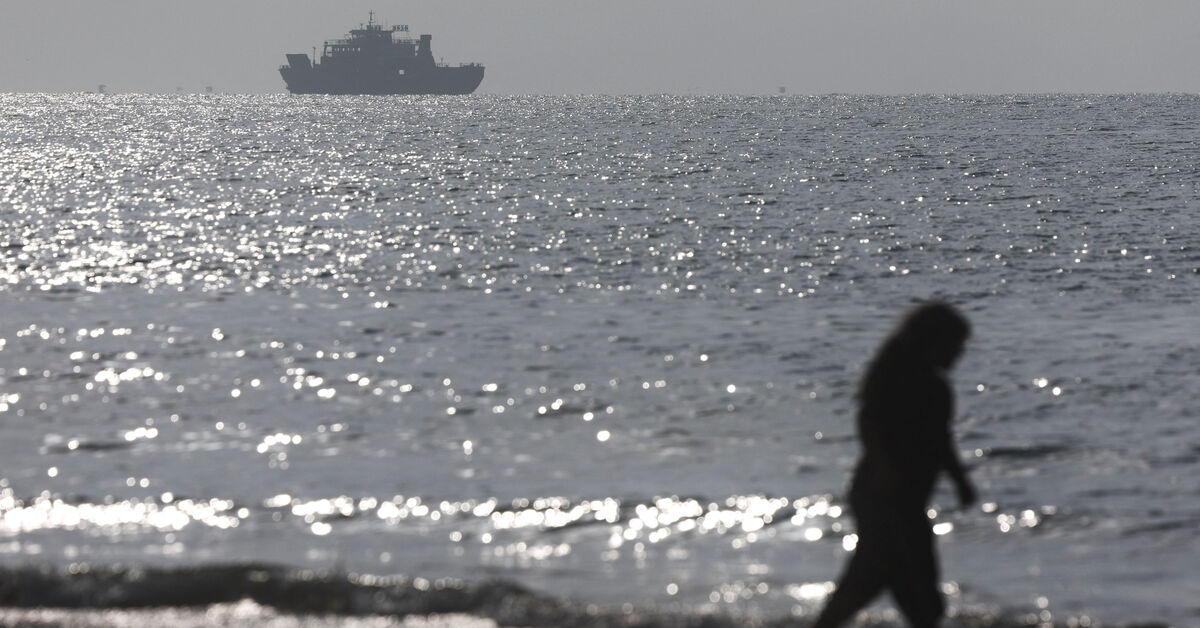
Cover image from al-monitor.com, which was analyzed for this article
US strikes on Iranian oil tankers linked to IRGC follow alleged missile attacks, with Iran vowing reprisals. Coverage examines the months-long conflict's trajectory and economic ripple effects like fuel prices.
PoliticalOS
Sunday, September 6, 2026 — Politics
The tanker exchanges have raised oil prices and narrowed the window for renewed diplomacy, yet the absence of verified details on the conflict's origins and the June ceasefire violations leaves the path to de-escalation dependent on unconfirmed assumptions held by each side.
What outlets missed
Most coverage omitted any documented Iranian actions or statements in the weeks immediately before the February 28 strikes that opened the current phase. No outlet supplied independent verification of daily oil transit volumes claimed by US officials or the precise terms of any Iran-Oman shipping arrangement. The human and material effects of the naval blockade on Iranian ports and the specific sequence of violations that ended the June ceasefire also received little cross-checked detail across the four pieces.
US and Iran Trade Strikes on Tankers as Hormuz Conflict Deepens
The United States and Iran carried out new attacks on oil tankers in the past day, extending a months-long confrontation that has shifted increasingly toward naval targets around the Strait of Hormuz. US Central Command reported strikes on three Iranian vessels, including one near Kharg Island and another off Jask, while Iran responded by hitting tankers and launching a ballistic missile toward American warships in the area.
The exchanges follow a pattern that began after an interim ceasefire reached in June collapsed within weeks. Fighting paused for much of July before resuming in early September. Iranian officials have said they are open to returning to the June terms, but US statements and actions indicate little interest in restoring the earlier arrangement without stronger enforcement mechanisms. The rapid breakdown has left both sides operating under the assumption that any pause could end abruptly.
The Strait of Hormuz remains the central point of friction. Roughly one-fifth of global oil supplies moved through the waterway before the conflict intensified. Iranian forces have used the threat of disruption as leverage, while the US naval presence aims to keep lanes open and enforce a blockade on Iranian ports. Recent tanker strikes on both sides reflect efforts to test control without triggering a wider direct clash between surface fleets.
Economic pressure on Iran has grown sharper in recent months. Sanctions and the blockade have reduced export volumes and complicated efforts to evade restrictions, according to Iranian officials. Parliament Speaker Mohammad Baqer Qalibaf stated that Tehran must focus on domestic production and living standards alongside military responses. At the same time, Iranian authorities warned that further attacks on their interests would draw faster and heavier retaliation.
Attempts at indirect diplomacy have added complications. Oman, long positioned as a quiet channel between Washington and Tehran, pursued a bilateral shipping accord that would have routed some traffic through Iranian waters and shared transit fees. Details of the arrangement surfaced and prompted US warnings against any cooperation that could legitimize Iranian control or generate revenue under current sanctions. The episode left Muscat’s balancing role diminished and underscored how narrow the space for third-party mediation has become.
The pattern of limited strikes on commercial vessels raises the risk of miscalculation. Each side appears calibrated to impose costs while avoiding attacks that would force a larger response. Yet the involvement of ballistic missiles and repeated targeting of tankers suggests the threshold for escalation is shifting. Global energy markets have already felt the effects through higher prices and slower growth, outcomes that both governments have cited as reasons to avoid broader disruption.
Without new diplomatic openings that address enforcement and verification, the current rhythm of strikes and counter-strikes is likely to persist. The focus on tanker traffic allows each side to signal resolve while keeping most operations at sea, but it also ties the conflict more tightly to the physical control of a single narrow passage. That linkage makes any sustained reduction in tensions dependent on whether either party can accept limits on its leverage in the strait.
You just read Liberal's take. Want to read what actually happened?
More in Politics
Democrats Flip Senate, Expand House Majority in Midterms
Democrats flipped the Senate and expanded their House majority in a major rebuke to President Trump and Republicans. Key victories included multiple Senate seats and state-level wins that ended long-standing GOP dominance in places like Texas.
GOP Losses Spur Blame, Vance Distancing, 2028 Maneuvers
Republicans are pointing fingers internally after heavy losses, with Vice President JD Vance distancing himself from Trump over the Iran war and positioning for a potential 2028 run. Challengers within the party are already sensing opportunity.
Democrats Take House and Senate Amid Record Midterm Turnout
Democrats achieved decisive gains in the 2026 midterms, flipping seats to take control of both chambers. Coverage highlights historic turnout and implications for the Trump administration.
Democrats Take House and Senate, Constraining Trump
Democrats flipped both the House and Senate in a major rebuke to President Trump and Republicans. The results create divided government and set up battles over spending, oversight, and foreign policy for the remainder of Trump's term.
The Compass
You just read five takes on one story.
What's your take? Find your political shape in a few minutes.
Take the test