
US-Iran tanker strikes resume as June ceasefire unravels
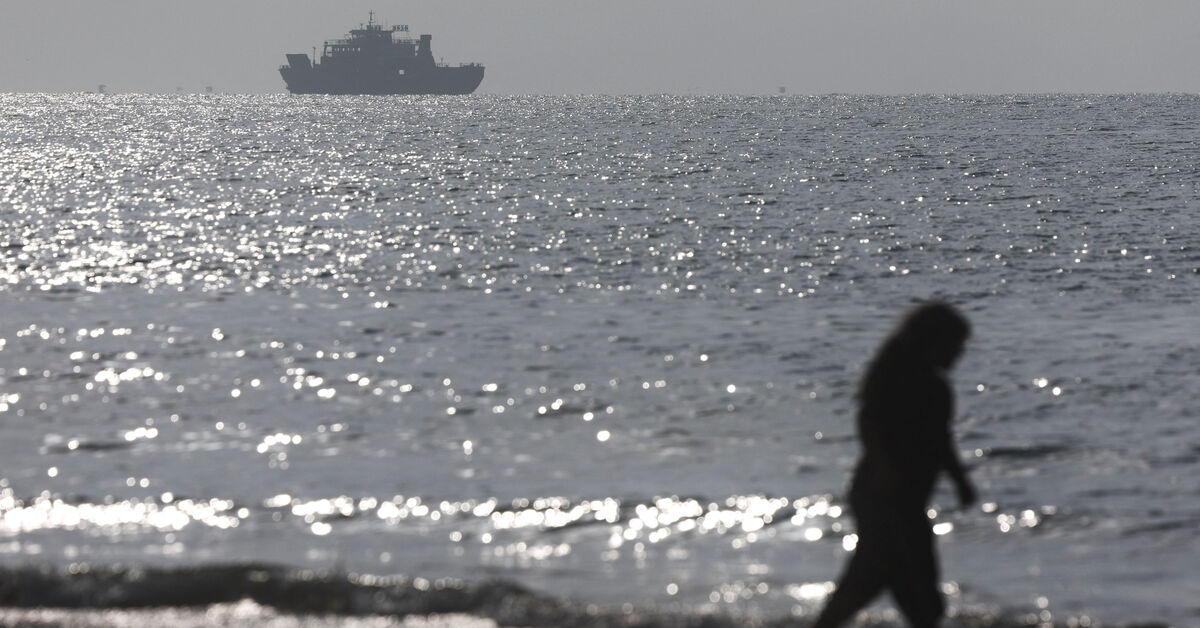
Cover image from al-monitor.com, which was analyzed for this article
US strikes on Iranian oil tankers linked to IRGC follow alleged missile attacks, with Iran vowing reprisals. Coverage examines the months-long conflict's trajectory and economic ripple effects like fuel prices.
PoliticalOS
Sunday, September 6, 2026 — Politics
The tanker exchanges have raised oil prices and narrowed the window for renewed diplomacy, yet the absence of verified details on the conflict's origins and the June ceasefire violations leaves the path to de-escalation dependent on unconfirmed assumptions held by each side.
What outlets missed
Most coverage omitted any documented Iranian actions or statements in the weeks immediately before the February 28 strikes that opened the current phase. No outlet supplied independent verification of daily oil transit volumes claimed by US officials or the precise terms of any Iran-Oman shipping arrangement. The human and material effects of the naval blockade on Iranian ports and the specific sequence of violations that ended the June ceasefire also received little cross-checked detail across the four pieces.
US and Iran Trade Blows in Escalating Tanker Attacks Near Hormuz Strait
The United States struck three Iranian oil tankers in the past day as part of a widening maritime confrontation that has drawn in ballistic missile fire from Tehran and renewed threats to global energy routes. Washington said the strikes targeted vessels off Kharg Island and near Jask, along with an empty ship in the Gulf of Oman, after Iran launched missiles toward two US Navy vessels patrolling the Strait of Hormuz.
Iranian officials described the American moves as further proof that Washington seeks to choke the country's economy through a naval blockade and sanctions that have already slashed oil exports. Parliament Speaker Mohammad Baqer Qalibaf warned that any new attack on Iranian interests would bring a faster and more painful reply, signaling that the Islamic Republic retains the ability to disrupt shipping even as its economy buckles.
The latest round follows the collapse of a June ceasefire that briefly paused fighting after earlier US and Israeli strikes. By early September both sides had resumed attacks, with Iran firing at tankers and US forces responding in kind. The Strait of Hormuz, through which roughly a fifth of the world's oil once passed, has become the main arena, turning a vital commercial lane into a combat zone.
US Central Command portrayed its tanker strikes as defensive actions tied to Iranian missile launches. Tehran, however, framed its moves as retaliation for the ongoing blockade of its ports and the broader campaign of economic pressure that has left millions struggling with shortages and inflation. Iranian sources close to the government said the sanctions regime is now the dominant front in the conflict, forcing officials to prioritize production and basic livelihoods alongside military defenses.
A secret transit deal between Iran and Oman added another layer to the crisis. Muscat, long viewed as a neutral broker, agreed to a joint corridor that would route ships through Iranian waters and share fees. Once details leaked, Washington threatened severe financial penalties, pushing Oman back and leaving the arrangement in ruins. The episode underscored how economic desperation can quickly pull even cautious regional players into the fray.
Global effects are already visible. Disrupted energy supplies have slowed growth in several economies, and analysts note that prolonged fighting risks further spikes in prices. Diplomats have made little headway in reviving talks, with each side accusing the other of bad faith. Iran insists it will not negotiate under blockade conditions, while US statements emphasize maximum pressure until Tehran alters its regional posture.
The pattern of tanker strikes and missile exchanges shows no sign of easing. Both governments appear locked into a cycle where each attack prompts a response, raising the stakes in one of the world's most sensitive waterways. For now, the focus remains on immediate military moves and the mounting economic strain inside Iran rather than any fresh diplomatic opening.
You just read Progressive's take. Want to read what actually happened?
More in Politics
Democrats Flip Senate, Expand House Majority in Midterms
Democrats flipped the Senate and expanded their House majority in a major rebuke to President Trump and Republicans. Key victories included multiple Senate seats and state-level wins that ended long-standing GOP dominance in places like Texas.
GOP Losses Spur Blame, Vance Distancing, 2028 Maneuvers
Republicans are pointing fingers internally after heavy losses, with Vice President JD Vance distancing himself from Trump over the Iran war and positioning for a potential 2028 run. Challengers within the party are already sensing opportunity.
Democrats Take House and Senate Amid Record Midterm Turnout
Democrats achieved decisive gains in the 2026 midterms, flipping seats to take control of both chambers. Coverage highlights historic turnout and implications for the Trump administration.
Democrats Take House and Senate, Constraining Trump
Democrats flipped both the House and Senate in a major rebuke to President Trump and Republicans. The results create divided government and set up battles over spending, oversight, and foreign policy for the remainder of Trump's term.
The Compass
You just read five takes on one story.
What's your take? Find your political shape in a few minutes.
Take the test