
US-Iran Strikes Lift Oil Prices Amid Hormuz Shipping Risks
Cover image from independent.co.uk, which was analyzed for this article
US strikes on Iranian targets and retaliation threats pushed West Texas Intermediate crude higher, with markets reacting to risks around key oil hubs like Kharg Island. Coverage spanned escalation warnings from left outlets to strategic analysis from right-leaning sources.
PoliticalOS
Tuesday, September 1, 2026 — Politics
Renewed but limited US-Iran strikes have raised oil prices by increasing risks to Hormuz shipping, with both sides signaling willingness to respond to further attacks yet no apparent desire for full-scale war. The price reaction reflects ongoing volatility rather than immediate supply loss, and the situation remains a day-to-day proposition dependent on whether additional incidents occur.
What outlets missed
Most coverage omitted the precise sequence of prior US actions that Iranian statements tied to the Jordan base strikes, leaving the causal chain incomplete. Few outlets reported the exact cargo volumes or operator names for the struck Saudi tankers, details carried only by shipping-intelligence sources. The June memorandum's specific terms and the 60-day negotiation window that expired without extension received little elaboration despite repeated Iranian references. No outlet independently verified casualty figures from the Larak Island strike or confirmed Iranian claims about intended mine-laying operations.
Trump Spreads AI Fake of Iranian Oil Hub Strike as Tensions With Tehran Spike
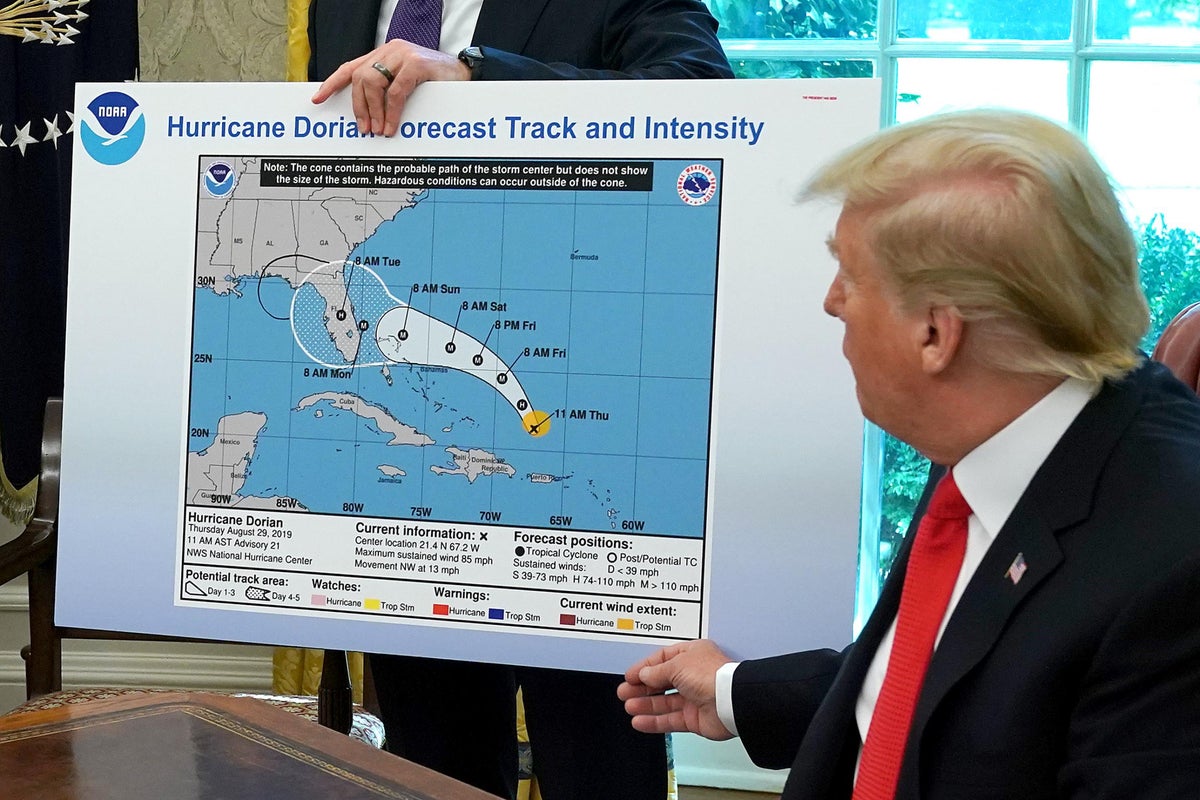
Donald Trump posted a fabricated video on his social media platform showing explosions at Iran’s Kharg Island oil terminal, an image his own Pentagon quickly dismissed as false. The clip, which the president captioned as the facility being “blown to smithereens,” came as the United States and Iran traded fresh strikes for the first time in more than a month.
The episode unfolded against a backdrop of renewed fighting that has already lasted six months and shows no sign of ending. US forces hit targets on Larak Island on Sunday, prompting Iranian missile attacks on American bases in Jordan. Trump told Fox News the United States would “hit them hard” in response. Iranian officials described the latest round as limited but warned that further US action would draw a severe reply.
Kharg Island remains central to the conflict. The small rocky outpost off Iran’s coast handles roughly 90 percent of the country’s crude oil exports. Tehran has reinforced it with additional air defenses and placed mines in surrounding waters. Trump has repeatedly singled out the site in public statements, calling it a potential target that could be seized if necessary. Experts have long described it as Iran’s economic weak point.
The renewed hostilities have driven oil prices sharply higher. Brent crude rose above $92 a barrel on Tuesday after jumping more than 2 percent the previous session. Two tankers carrying Saudi crude were struck by unknown projectiles while leaving the Strait of Hormuz on Monday, according to shipping intelligence firms. No casualties were reported, but the incidents added to fears that the vital waterway could remain effectively closed.
Those price increases are already reaching consumers. Britain’s energy regulator raised the price cap by 4 percent starting in October, citing the surge in wholesale gas costs tied to the Middle East conflict. Households that are not locked into fixed-rate deals face higher winter bills at a time when many are still recovering from earlier shocks.
Iranian President Masoud Pezeshkian said Tehran would reciprocate if Washington returns to commitments made in a June interim agreement that halted earlier fighting. The deal unraveled quickly, however, and both sides have since relied on sanctions, blockades and limited strikes. Mediators including Qatar and Oman have so far failed to reopen the Strait of Hormuz to normal traffic.
The spread of AI-generated imagery from the US president has compounded uncertainty. Defense officials had to clarify that no strike on Kharg occurred overnight, even as actual US and Iranian attacks continued elsewhere. The incident has drawn attention to the difficulty of separating verified military developments from official misinformation during an active conflict.
Global markets are watching closely. Any sustained disruption to Gulf oil flows would push prices higher still and risk broader economic damage. For now, the pattern of limited strikes and economic pressure appears set to continue, with little indication that either side is prepared to step back.
You just read Progressive's take. Want to read what actually happened?
More in Politics
Democrats Flip Senate, Expand House Majority in Midterms
Democrats flipped the Senate and expanded their House majority in a major rebuke to President Trump and Republicans. Key victories included multiple Senate seats and state-level wins that ended long-standing GOP dominance in places like Texas.
GOP Losses Spur Blame, Vance Distancing, 2028 Maneuvers
Republicans are pointing fingers internally after heavy losses, with Vice President JD Vance distancing himself from Trump over the Iran war and positioning for a potential 2028 run. Challengers within the party are already sensing opportunity.
Democrats Take House and Senate Amid Record Midterm Turnout
Democrats achieved decisive gains in the 2026 midterms, flipping seats to take control of both chambers. Coverage highlights historic turnout and implications for the Trump administration.
Democrats Take House and Senate, Constraining Trump
Democrats flipped both the House and Senate in a major rebuke to President Trump and Republicans. The results create divided government and set up battles over spending, oversight, and foreign policy for the remainder of Trump's term.
The Compass
You just read five takes on one story.
What's your take? Find your political shape in a few minutes.
Take the test