
Iran Conflict Chokes Hormuz, Unleashing Historic Global Energy Shock
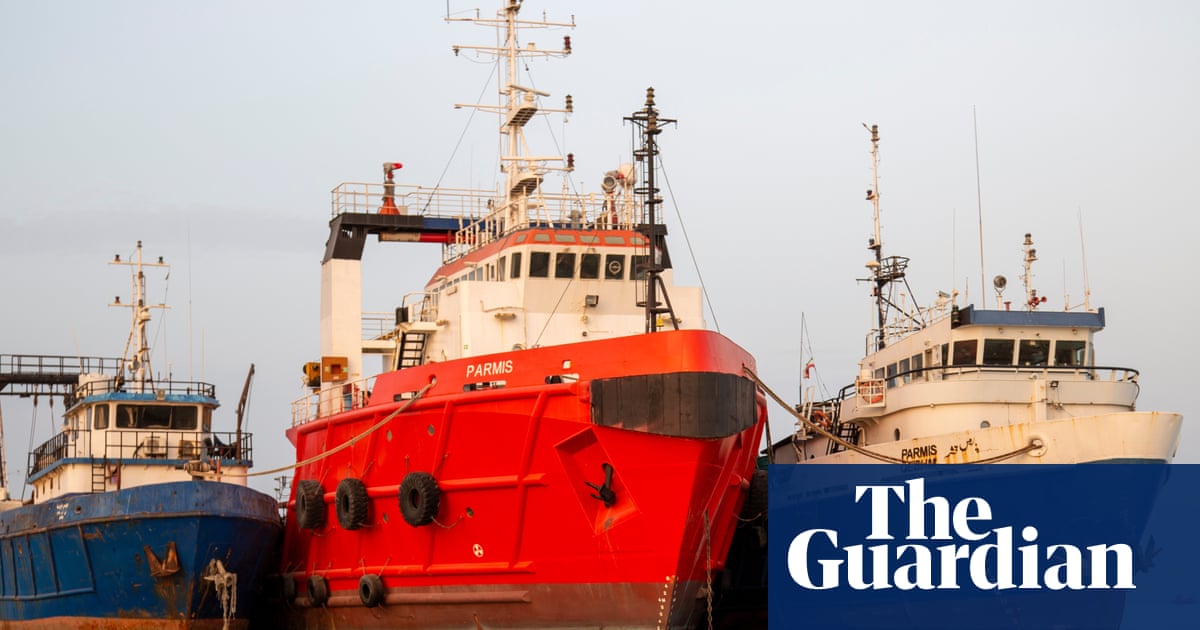
Cover image from theguardian.com, which was analyzed for this article
The Hormuz blockade and conflict drive jet fuel shortages, higher diesel costs, and airline cuts, threatening energy security. Markets volatile as IEA warns of historic threat; exporters seek alternatives. Economic fallout dominates with poverty rises and stock impacts.
PoliticalOS
Thursday, April 23, 2026 — Business
The 2026 Iran conflict, triggered by February strikes and met with Iranian closure of the Strait of Hormuz, has produced the IEA's largest recorded energy crisis, cutting 13 million barrels per day and driving diesel and jet fuel prices far higher than gasoline with no rapid substitutes available. Mutual blockades, limited pipeline bypasses, and emerging shifts toward renewables offer partial long-term relief but cannot prevent near-term inflation, travel cuts, and poverty pressure worldwide. The single most important reality is that energy security has been revealed as fragile, dependent on a single chokepoint, and the ultimate resolution hinges on whether diplomacy reopens flows before deeper economic and political damage becomes entrenched.
What outlets missed
Most accounts either emphasized Iranian rhetoric or U.S. pressure but downplayed the verified February 28 start date of U.S.-Israeli strikes on Iranian sites, which preceded Iran's mining of vessels, ship seizures, and full strait closure, altering the sequence of escalation. Few pieces quantified the persistence of limited tanker traffic, with at least some VLCCs still moving in recent weeks according to shipping trackers cited in Reuters and Wikipedia but absent from alarmist coverage. The potential for coordinated IEA stock releases to buy only months, not years, of relief while alternatives like Iraq-Turkey pipelines restart at fractions of needed capacity was rarely tied to rising poverty projections in Asia and Africa. Trump's specific reference to Pakistani leaders requesting a ceasefire delay appeared only in one outlet and could not be independently verified. Finally, direct linkages between the energy shock and Trump's record-low approval ratings in GOP districts were confined to a single poll, leaving the political feedback loop underexplored.
Families at gas pumps, airlines slashing flights, truckers facing soaring diesel bills: the Iran conflict has delivered an energy shock unlike any in modern history, with the International Energy Agency declaring it the largest disruption ever recorded. At stake is not just the price of filling a tank but the stability of global supply chains, inflation in developed economies, and rising poverty risks in emerging markets where fuel costs feed directly into food and transport. The central tension remains unresolved: can diplomacy reopen the Strait of Hormuz before limited alternatives and mutual blockades inflict lasting damage, or will this crisis accelerate a painful shift away from Middle East oil dependence altogether.
The standoff traces to Feb. 28, 2026, when U.S. and Israeli strikes targeted Iranian nuclear and military sites, according to timelines compiled by the Council on Foreign Relations and multiple wire services. Iran responded with missile attacks, mining operations that damaged merchant vessels, and eventual closure of the strait, through which roughly 20 percent of global oil and liquefied natural gas flowed in peacetime. By mid-April, the U.S. imposed a naval blockade on Iranian ports; Iran seized two ships in the waterway on April 22. These reciprocal actions, detailed across AP, Reuters, and Wikipedia compilations, produced what the IEA's Fatih Birol described as a loss of 13 million barrels per day of supply. One detail from The Guardian analysis, a U.S. seizure of an Iranian-flagged vessel days before Iran's actions, could not be independently verified in all sources and remains unconfirmed by outlets such as Al Jazeera or National Review.
Diesel prices have climbed faster than gasoline. The Energy Information Administration reported a 45 percent rise in average U.S. diesel costs since late February, compared with 35 percent for regular gasoline, with peaks projected above $5.80 per gallon for diesel and $4.30 for gas before modest recent retreats tied to ceasefire hopes. Jet fuel shortages have already prompted European rationing warnings, with the region losing 75 percent of its Middle East-derived supply and scrambling for imports from the United States and Nigeria. Airlines face cuts; truckers and farmers cannot easily reduce consumption the way drivers can. "This is why diesel more than doubles while gasoline basically moves up in tandem with crude," Rabobank strategist Joe DeLaura told The New York Times, attributing the gap to pre-war tight supplies and the Persian Gulf's outsized role in diesel and jet fuel output.
Exporters are hunting for workarounds with limited success. Saudi Arabia's East-West pipeline and the UAE's Habshan-Fujairah line together offer between 3.5 and 5.5 million barrels per day of bypass capacity according to IEA estimates, though Saudi claims have at times cited higher throughput; both fall well short of the 20 million barrels that once moved through Hormuz. Iraq is restarting a pipeline to Turkey at initial volumes of 250,000 barrels per day and studying longer-term routes to Oman, Jordan, and Egypt. Iran has a dormant Jask terminal option rated at 1 million barrels per day, but the IEA says it has seen no meaningful exports since a 2024 test. These alternatives require years and transnational agreements, and existing routes have already come under attack, with Iranian strikes on Saudi and Emirati facilities reducing flows by hundreds of thousands of barrels daily. CNBC reporting on these logistics could not corroborate every capacity claim across outlets, particularly higher Saudi figures.
The economic fallout spreads beyond fuel. Higher transport costs feed inflation and squeeze household budgets; nearly 80 percent of Americans surveyed by CNBC reported cutting non-essentials or altering travel plans. Emerging economies face acute poverty risks as food distribution costs climb. Stock markets have swung violently on each rumor of talks or escalation. Sen. Lindsey Graham stated that the U.S. blockade, in place more than a week, should expand and could turn global, praising its pressure on Iran's oil revenues that he linked to terrorism financing; that specific phrasing appeared only in Fox News coverage and was not corroborated elsewhere. National Review highlighted Turkey's role in Iranian sanctions evasion through exchange houses and the continued operation of Bank Mellat, citing 2024 Treasury designations, but some specifics on Israeli 2025 actions against Turkish entities and exact Halkbank transaction totals could not be independently verified in other reporting.
Ceasefire extensions announced by President Trump, tied to demands for a unified Iranian proposal, have introduced modest price relief but little confidence. Iran has called reopening the strait impossible amid alleged breaches, per parliamentary speaker Mohammad Bagher Ghalibaf; The Guardian led with those terms but noted mutual blockades. The IEA has released 400 million barrels from emergency stocks as a temporary bridge, yet Birol stressed this reduces pain without curing the underlying closure. Long-term, the agency's chief expects acceleration toward nuclear power, renewables, electric vehicles, and even coal in parts of Asia. Whether those shifts arrive fast enough to offset immediate damage, or whether renewed diplomacy can restore flows, defines the story's open question. A CNBC poll showed Trump's net approval falling to -18 overall and -21 on the economy, its lowest in either term, with majorities saying the conflict is not worth the financial and gasoline costs, though 53 percent still see value in disrupting Iran's nuclear efforts. Those numbers appeared solely in CNBC reporting and were not corroborated by other surveyed outlets.
Markets remain volatile. Exporters, refiners, and governments are adapting in real time, yet the gap between rhetoric and infrastructure reality persists. The world has been reminded, in Birol's words, that a $110 trillion economy can be held hostage by control of a 50-kilometer strait. How long that vulnerability lasts will shape energy policy for decades.
More in Business & Economy

Major Banks Deliver Mixed Q3 Results on Trading Beats
JPMorgan, Goldman Sachs, Citigroup, and Wells Fargo reported Q3 figures, with revenue beats in trading but some estimate misses. CNBC provided live updates on the results and market reactions.

Oil Falls on Russian Diesel Outlook Despite Geopolitical Risks
Dow futures rose while Nasdaq faced pressure from tech weakness and elevated oil after geopolitical spikes. CNBC tracked premarket moves tied to earnings and Fed speeches.

Hall and Woodford Win Economics Nobel for Stabilization Models
American economists Robert E. Hall and Michael Woodford won the Nobel memorial prize for their research on managing economies through booms and busts, informing central bank policies on inflation and unemployment.

Skydance Closes Paramount-Warner Bros. Discovery Deal
The long-delayed media mega-merger cleared hurdles and began operations under Skydance, consolidating Hollywood power. Center and center-left outlets track the regulatory and business milestones.
The Compass
You just read five takes on one story.
What's your take? Find your political shape in a few minutes.
Take the test