
Judge Halts Remaining Trump Taxpayer-Funded TV Ads
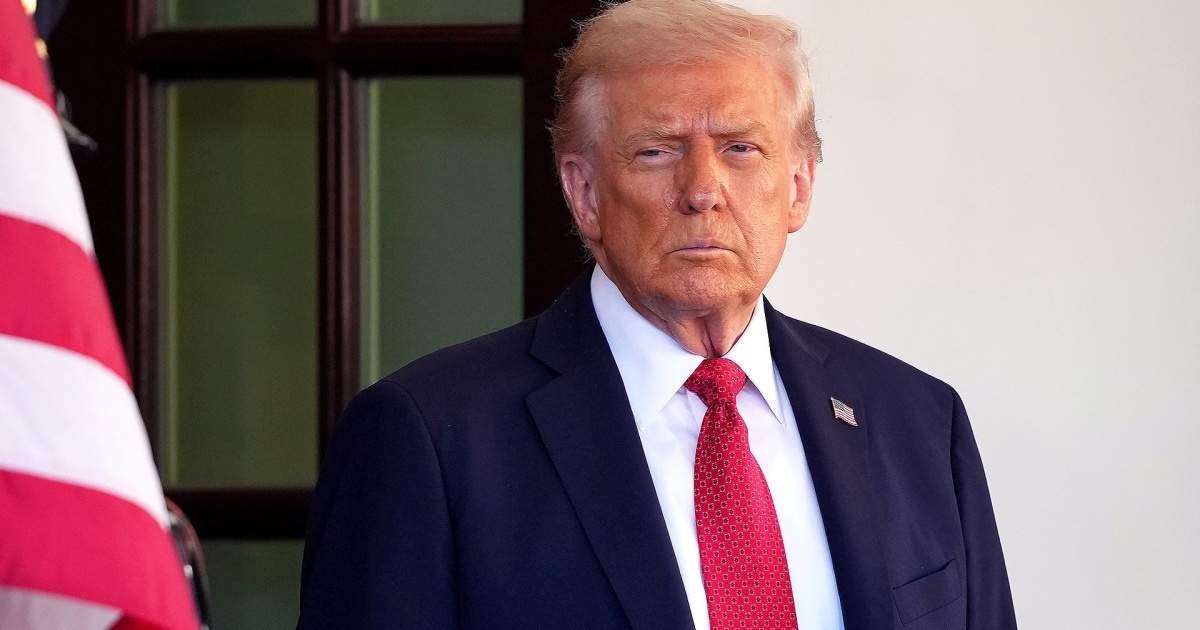
Cover image from today.com, which was analyzed for this article
A federal judge ordered the Trump administration to immediately stop airing millions in taxpayer-funded TV ads promoting the president's agenda. The ruling follows legal challenges accusing the White House of blurring official and political activities.
PoliticalOS
Monday, October 12, 2026 — Politics
A Manhattan federal judge has ordered an immediate halt to further spending from a $20 million DHS allocation on ads that promote administration priorities while carrying a government-paid caption. The ruling turns on whether the spots crossed from permissible public information into prohibited political use of appropriated funds ahead of the midterms. The case continues on the merits after the 14-day order.
What outlets missed
Independent alone noted the Maduro ad and Thune's Republican criticism. CNBC alone quoted the plaintiffs' specific filing language on standing and the exact ad title "The Country He Loves" plus the Hassan letter. No outlet supplied the full text of the underlying federal statute on publicity or propaganda or the precise language of the congressional border-security appropriation. The temporary restraining order's stay of the specific Lepugh Inc. purchase order received minimal attention across reports.
Federal Court Halts Trump Administration Spending on Television Advertisements
A federal judge in New York issued a temporary restraining order Sunday night directing the Trump administration to cease airing television advertisements funded with taxpayer dollars allocated for immigration enforcement. U.S. District Judge Jennifer Rochon barred the Department of Homeland Security from further use of the remaining funds from a $20 million congressional appropriation, of which roughly $19 million had already been spent.
The order requires cancellation of any scheduled broadcasts, including those planned for Sunday evening, and prohibits new agreements for the ads over the next 14 days. The commercials carried the notation "Paid for by the U.S. Government" and featured President Trump discussing border security measures. Plaintiffs, including the watchdog group Common Cause, argued that the spending violated federal restrictions against using appropriated money for publicity or propaganda purposes.
Justice Department lawyers had informed the court that the campaign would conclude by Sunday, yet the judge proceeded with the order after plaintiffs maintained that explicit judicial direction was necessary to prevent further expenditures. The Manhattan U.S. Attorney's Office offered no immediate comment on the ruling.
The White House directed inquiries to an earlier statement from President Trump defending the advertisements as routine government communication on policy matters. In that post, Trump indicated a willingness to reimburse the costs through political fundraising channels amid growing public criticism. Legal observers have noted that statutes dating back decades limit executive branch use of public funds to influence public opinion on contested issues ahead of elections.
Congress designated the funds specifically for immigration enforcement activities rather than promotional efforts. The distinction has drawn scrutiny because the ads centered on administration messaging rather than neutral information about existing programs. Past administrations from both parties have faced similar challenges when public resources appeared channeled toward political visibility.
The ruling arrives as immigration remains a central policy focus, with enforcement funding often debated along partisan lines. Critics of the ad campaign contend that taxpayer resources should not subsidize broadcasts that resemble campaign material, regardless of the underlying policy merits. Supporters of the administration's approach argue that informing the public about border operations constitutes a legitimate use of enforcement appropriations.
Rochon's order does not address the substance of immigration policy itself but centers on the mechanics of how congressionally approved dollars may be deployed. The temporary measure leaves open the possibility of further litigation or extensions if the underlying dispute persists beyond the initial two-week period.
You just read Conservative's take. Want to read what actually happened?
More in Politics
Democrats Flip Senate, Expand House Majority in Midterms
Democrats flipped the Senate and expanded their House majority in a major rebuke to President Trump and Republicans. Key victories included multiple Senate seats and state-level wins that ended long-standing GOP dominance in places like Texas.
GOP Losses Spur Blame, Vance Distancing, 2028 Maneuvers
Republicans are pointing fingers internally after heavy losses, with Vice President JD Vance distancing himself from Trump over the Iran war and positioning for a potential 2028 run. Challengers within the party are already sensing opportunity.
Democrats Take House and Senate Amid Record Midterm Turnout
Democrats achieved decisive gains in the 2026 midterms, flipping seats to take control of both chambers. Coverage highlights historic turnout and implications for the Trump administration.
Democrats Take House and Senate, Constraining Trump
Democrats flipped both the House and Senate in a major rebuke to President Trump and Republicans. The results create divided government and set up battles over spending, oversight, and foreign policy for the remainder of Trump's term.
The Compass
You just read five takes on one story.
What's your take? Find your political shape in a few minutes.
Take the test