
Judge Halts Remaining Trump Taxpayer-Funded TV Ads
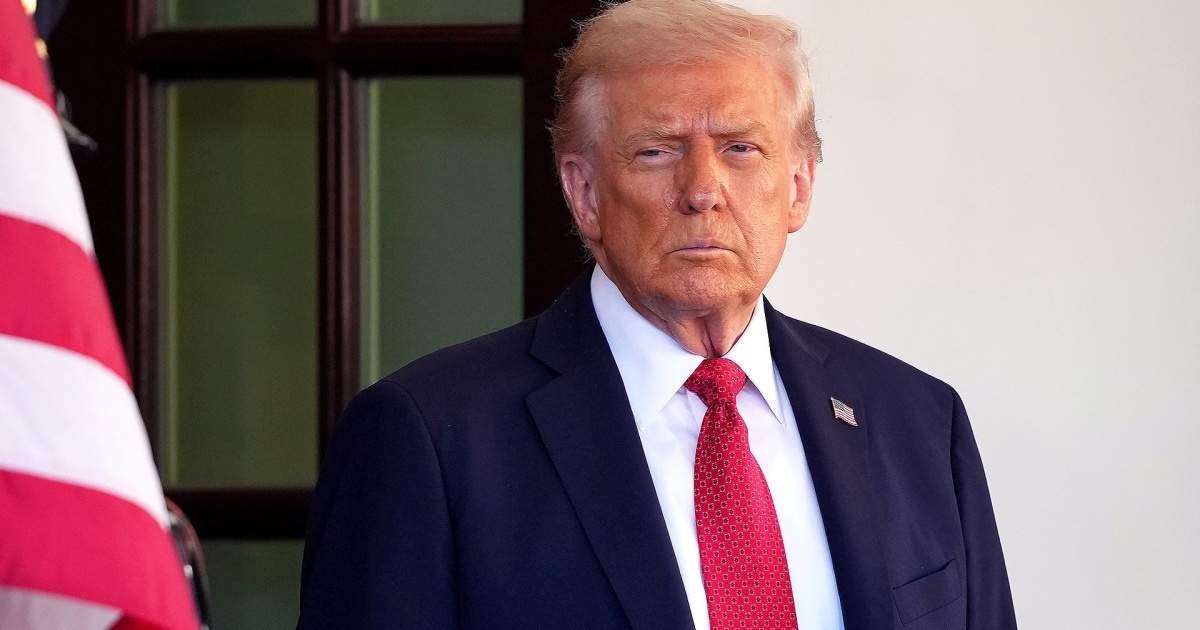
Cover image from today.com, which was analyzed for this article
A federal judge ordered the Trump administration to immediately stop airing millions in taxpayer-funded TV ads promoting the president's agenda. The ruling follows legal challenges accusing the White House of blurring official and political activities.
PoliticalOS
Monday, October 12, 2026 — Politics
A Manhattan federal judge has ordered an immediate halt to further spending from a $20 million DHS allocation on ads that promote administration priorities while carrying a government-paid caption. The ruling turns on whether the spots crossed from permissible public information into prohibited political use of appropriated funds ahead of the midterms. The case continues on the merits after the 14-day order.
What outlets missed
Independent alone noted the Maduro ad and Thune's Republican criticism. CNBC alone quoted the plaintiffs' specific filing language on standing and the exact ad title "The Country He Loves" plus the Hassan letter. No outlet supplied the full text of the underlying federal statute on publicity or propaganda or the precise language of the congressional border-security appropriation. The temporary restraining order's stay of the specific Lepugh Inc. purchase order received minimal attention across reports.
Federal Judge Blocks Remaining Trump Immigration Ads
A federal judge in Manhattan issued a temporary order Sunday night halting any leftover television ads funded by the Department of Homeland Security that featured President Donald Trump. The ruling from Judge Jennifer Rochon came after a coalition including the watchdog group Common Cause filed suit, claiming the spots amounted to unlawful political propaganda ahead of the midterms.
The ads drew from a $20 million congressional allocation meant for immigration enforcement. Roughly $19 million had already been spent by the time the order took effect. The judge directed the administration to cancel any remaining broadcasts, including those scheduled for Sunday evening, and barred further spending on the campaign for the next two weeks. The Department of Homeland Security had used the money to produce and air messages highlighting border security and enforcement actions.
The White House had signaled the campaign was already winding down. In a Saturday court filing, Justice Department lawyers told the court that the ads would not continue past Sunday, making a restraining order unnecessary. President Trump had previously described the spots as routine government communications on policy matters and offered to reimburse costs through political fundraising if critics insisted.
Plaintiffs argued that any use of appropriated funds for the ads violated statutes against propaganda. They pressed the judge to act anyway, even after learning the broadcasts were set to stop. The Manhattan U.S. Attorney's Office, representing the administration, declined further comment on the ruling.
Critics of the lawsuit note that similar taxpayer-funded messaging on public health or infrastructure has drawn little scrutiny in the past. The timing of the complaint, filed as midterm campaigns intensify, has raised questions about whether the effort targets the president's messaging on immigration rather than strict adherence to spending rules. The ads carried the standard disclaimer that they were paid for by the U.S. government.
Rochon's order prevents the administration from entering new agreements or expanding existing ones tied to the challenged content during its 14-day window. The White House referred questions to earlier statements defending the campaign as ordinary practice. No immediate appeal details have emerged.
The dispute centers on long-standing tensions over how agencies communicate policy to the public when those messages overlap with election cycles. Immigration enforcement remains a core issue for the administration, with the ads intended to showcase operational results from increased resources at the border. Opponents view any prominent featuring of the president as crossing into electioneering. The judge's intervention arrives after most of the allocated funds were already committed, leaving limited practical effect beyond the remaining slots.
You just read America First's take. Want to read what actually happened?
More in Politics
Democrats Flip Senate, Expand House Majority in Midterms
Democrats flipped the Senate and expanded their House majority in a major rebuke to President Trump and Republicans. Key victories included multiple Senate seats and state-level wins that ended long-standing GOP dominance in places like Texas.
GOP Losses Spur Blame, Vance Distancing, 2028 Maneuvers
Republicans are pointing fingers internally after heavy losses, with Vice President JD Vance distancing himself from Trump over the Iran war and positioning for a potential 2028 run. Challengers within the party are already sensing opportunity.
Democrats Take House and Senate Amid Record Midterm Turnout
Democrats achieved decisive gains in the 2026 midterms, flipping seats to take control of both chambers. Coverage highlights historic turnout and implications for the Trump administration.
Democrats Take House and Senate, Constraining Trump
Democrats flipped both the House and Senate in a major rebuke to President Trump and Republicans. The results create divided government and set up battles over spending, oversight, and foreign policy for the remainder of Trump's term.
The Compass
You just read five takes on one story.
What's your take? Find your political shape in a few minutes.
Take the test