
Trump Press Secretary Leaves After Five Days Over Briefing, Bar Exam
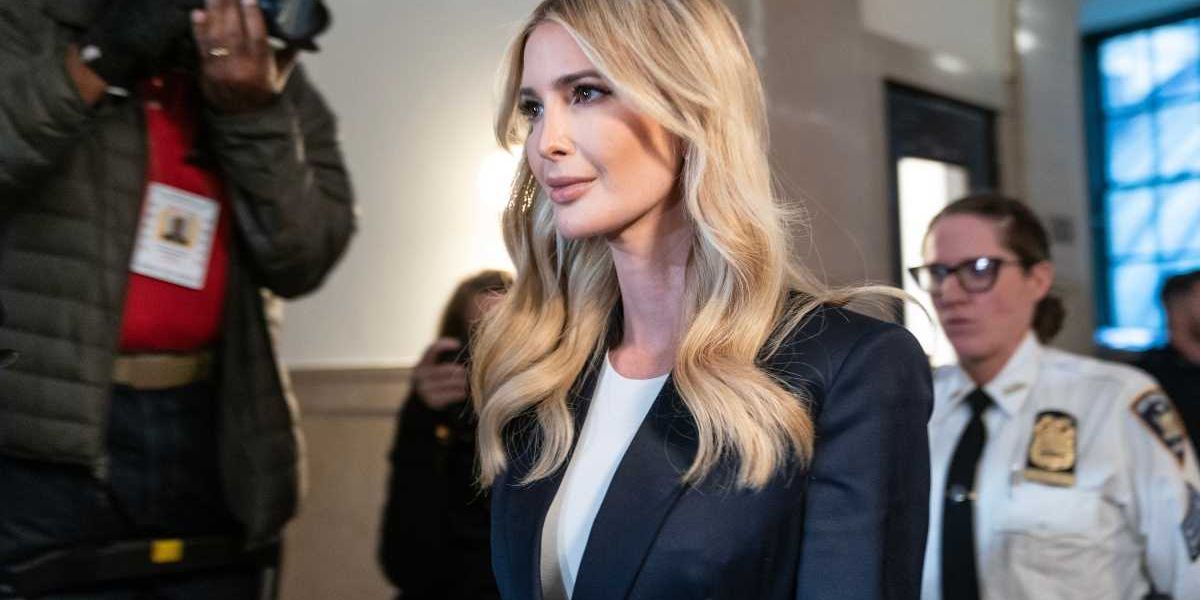
Cover image from rawstory.com, which was analyzed for this article
Trump's press secretary lasted only five days amid questions over her bar exam and briefing performance, leading to her departure and social media farewell. Coverage from left-leaning outlets frames it as White House chaos.
PoliticalOS
Saturday, October 17, 2026 — Politics
Zacharia’s exit marks the shortest press-secretary tenure in the current administration and leaves the communications post vacant ahead of the midterms. The episode highlights ongoing questions about preparation and qualifications for the role without a named successor in place.
What outlets missed
Neither account supplies the names of the three outlets permitted to ask questions during the Tuesday briefing or the specific topics raised. The Independent piece relies almost entirely on the Journal’s account and Trump’s public remarks, leaving the internal decision process and any prior performance reviews undescribed. Raw Story introduces claims about Zacharia’s past commentary on elections and vaccines that receive no corroboration from the other reporting or from primary statements.
Trump Removes New Press Secretary After Five Days in Role
Katie Zacharia lasted just five days as White House press secretary before her departure, marking the shortest tenure in that position during Donald Trump's current term. The 42-year-old, previously a contributor to conservative radio programs including The Clay Travis and Buck Sexton Show, took over the briefing role last week with no prior experience in government communications or daily press operations.
Zacharia's initial appearance in the briefing room lasted 14 minutes and included only three questions, all from outlets viewed as supportive of the administration. She read from prepared notes throughout. Reports later surfaced that Trump had described her as an attorney, though she has stated she never passed the bar exam. That detail drew attention because the press secretary often fields questions involving legal and regulatory matters where precise knowledge of statutes and procedures can shape public understanding.
The end came Friday afternoon while Zacharia sat at her West Wing desk for an interview with The Wall Street Journal. A senior adviser knocked on the door and asked her to speak with Vice President JD Vance. Minutes later Trump told reporters at his helipad that he had advised her to reconsider whether the job suited her. Zacharia did not return to finish the interview. In a subsequent statement she said she had done everything possible to prepare a briefing with limited time and information, and that her aim had been to serve the president and the public.
Rapid turnover in high-visibility White House posts has occurred across administrations, yet the pattern raises recurring questions about selection criteria. Positions that require command of facts, quick judgment under scrutiny, and the ability to represent an administration's record benefit from individuals who have demonstrated those skills in comparable settings. Appointing people whose main prior exposure comes from media commentary can leave gaps when the demands shift to managing daily interactions with reporters and coordinating with multiple agencies.
Trump has long favored candidates who project confidence on camera and align with his messaging priorities. That approach produced some durable appointees but has also produced short-lived ones when the mismatch between preparation and responsibility became evident. Zacharia's case fits the latter pattern. Her background in radio did not include the institutional knowledge or legal grounding that the press secretary role frequently tests.
The episode illustrates a broader point about incentives in political hiring. When loyalty and presentation weigh more heavily than accumulated competence, the costs appear in abbreviated tenures and repeated restarts. Each new occupant must learn basic operations while the administration continues to face legislative, regulatory, and foreign policy developments that require consistent explanation. Observers focused on outcomes rather than personalities have noted that such churn rarely improves the quality of information reaching the public.
Data on past press secretaries shows wide variation in tenure length, yet those who stayed longer tended to bring either congressional staff experience, prior executive-branch work, or extensive legal training. The absence of those credentials in recent selections has correlated with quicker exits. Whether the next appointment applies a different standard remains to be seen, but the record to date suggests that merit measured by relevant performance continues to matter more than initial impressions.
You just read Conservative's take. Want to read what actually happened?
More in Politics
Democrats Flip Senate, Expand House Majority in Midterms
Democrats flipped the Senate and expanded their House majority in a major rebuke to President Trump and Republicans. Key victories included multiple Senate seats and state-level wins that ended long-standing GOP dominance in places like Texas.
GOP Losses Spur Blame, Vance Distancing, 2028 Maneuvers
Republicans are pointing fingers internally after heavy losses, with Vice President JD Vance distancing himself from Trump over the Iran war and positioning for a potential 2028 run. Challengers within the party are already sensing opportunity.
Democrats Take House and Senate Amid Record Midterm Turnout
Democrats achieved decisive gains in the 2026 midterms, flipping seats to take control of both chambers. Coverage highlights historic turnout and implications for the Trump administration.
Democrats Take House and Senate, Constraining Trump
Democrats flipped both the House and Senate in a major rebuke to President Trump and Republicans. The results create divided government and set up battles over spending, oversight, and foreign policy for the remainder of Trump's term.
The Compass
You just read five takes on one story.
What's your take? Find your political shape in a few minutes.
Take the test