
Trump Press Secretary Leaves After Five Days Over Briefing, Bar Exam
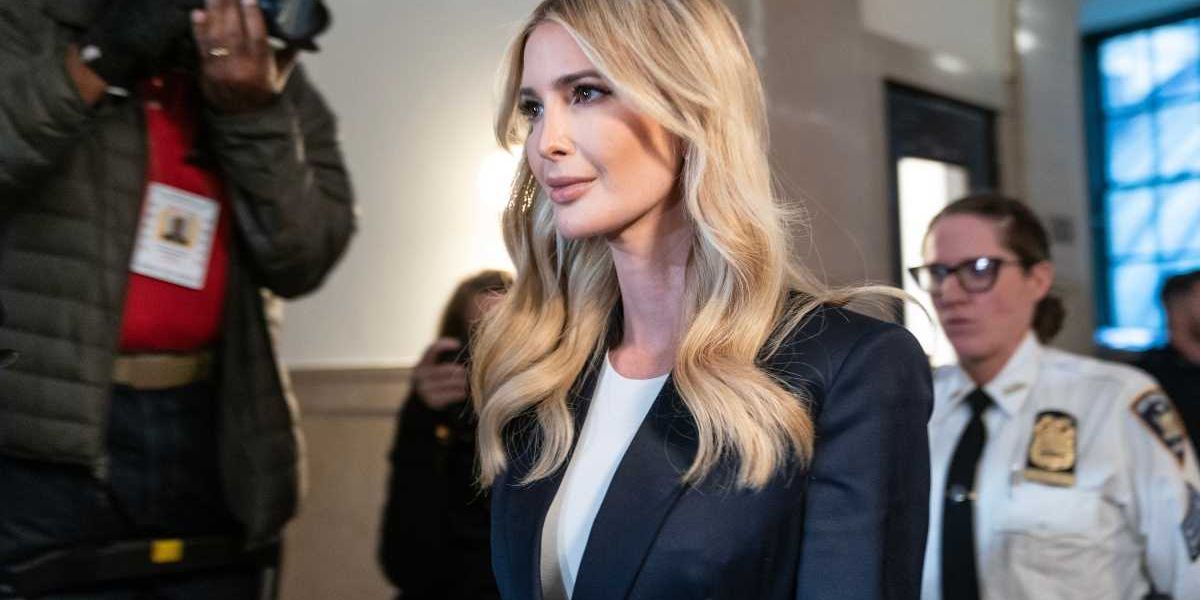
Cover image from rawstory.com, which was analyzed for this article
Trump's press secretary lasted only five days amid questions over her bar exam and briefing performance, leading to her departure and social media farewell. Coverage from left-leaning outlets frames it as White House chaos.
PoliticalOS
Saturday, October 17, 2026 — Politics
Zacharia’s exit marks the shortest press-secretary tenure in the current administration and leaves the communications post vacant ahead of the midterms. The episode highlights ongoing questions about preparation and qualifications for the role without a named successor in place.
What outlets missed
Neither account supplies the names of the three outlets permitted to ask questions during the Tuesday briefing or the specific topics raised. The Independent piece relies almost entirely on the Journal’s account and Trump’s public remarks, leaving the internal decision process and any prior performance reviews undescribed. Raw Story introduces claims about Zacharia’s past commentary on elections and vaccines that receive no corroboration from the other reporting or from primary statements.
Trump Fires Press Secretary After Five Days on the Job
The abrupt departure of Katie Zacharia after less than a week as White House press secretary underscores persistent difficulties in managing communications within the Trump administration. Zacharia, previously a Newsmax contributor and co-host on The Clay Travis and Buck Sexton Show, was named to the role last week and held her first briefing on Tuesday. That session lasted 14 minutes and included only three questions, all from outlets aligned with the administration. She read from prepared notes throughout.
Reports indicate Zacharia learned of her dismissal during an interview with The Wall Street Journal on Friday afternoon. Jason Miller, a senior adviser to the president, interrupted the discussion at her West Wing desk to say that Vice President JD Vance wanted to speak with her. Minutes later, President Trump addressed reporters at his helipad and described telling Zacharia the position might not suit her. He suggested she reconsider whether the demands aligned with her preferences. Zacharia did not return to complete the Journal interview.
The short tenure follows a pattern of rapid turnover in senior communications positions. Previous holders of the press secretary title under Trump have also faced intense public scrutiny and limited longevity. Zacharia’s background drew immediate attention after the president referred to her as an attorney, a description she later clarified by confirming she had never passed the bar exam. Administration officials had presented the appointment as a straightforward elevation of a familiar media voice.
Zacharia issued a statement after her removal saying she had done everything possible to conduct a briefing with the time and information available. She added that her aim had been to serve the president and the public to the best of her ability. Trump’s public remarks framed the decision as an act of consideration rather than a performance-based removal, though the sequence of events left little room for extended transition.
The episode occurs against a backdrop of constrained access for reporters. The initial briefing drew criticism for its brevity and selective questioners, limiting opportunities for broader accountability on administration actions. Observers noted that such formats reduce the scope for detailed exchanges on policy implementation and institutional procedures. With Zacharia’s exit, the administration must again fill a central role in shaping daily messaging at a moment when legislative and regulatory agendas continue to advance.
White House staffing patterns suggest that loyalty and on-camera presence have often outweighed prior experience in high-visibility posts. The compressed timeline for Zacharia’s hiring and departure illustrates how those priorities can produce quick reversals when external pressures mount. Future appointments will likely face similar tests of preparation and institutional fit as the administration navigates ongoing oversight demands from Congress and the press.
You just read Liberal's take. Want to read what actually happened?
More in Politics
Democrats Flip Senate, Expand House Majority in Midterms
Democrats flipped the Senate and expanded their House majority in a major rebuke to President Trump and Republicans. Key victories included multiple Senate seats and state-level wins that ended long-standing GOP dominance in places like Texas.
GOP Losses Spur Blame, Vance Distancing, 2028 Maneuvers
Republicans are pointing fingers internally after heavy losses, with Vice President JD Vance distancing himself from Trump over the Iran war and positioning for a potential 2028 run. Challengers within the party are already sensing opportunity.
Democrats Take House and Senate Amid Record Midterm Turnout
Democrats achieved decisive gains in the 2026 midterms, flipping seats to take control of both chambers. Coverage highlights historic turnout and implications for the Trump administration.
Democrats Take House and Senate, Constraining Trump
Democrats flipped both the House and Senate in a major rebuke to President Trump and Republicans. The results create divided government and set up battles over spending, oversight, and foreign policy for the remainder of Trump's term.
The Compass
You just read five takes on one story.
What's your take? Find your political shape in a few minutes.
Take the test