
Supreme Court Stays Injunctions on Trump Mail Ballot Order
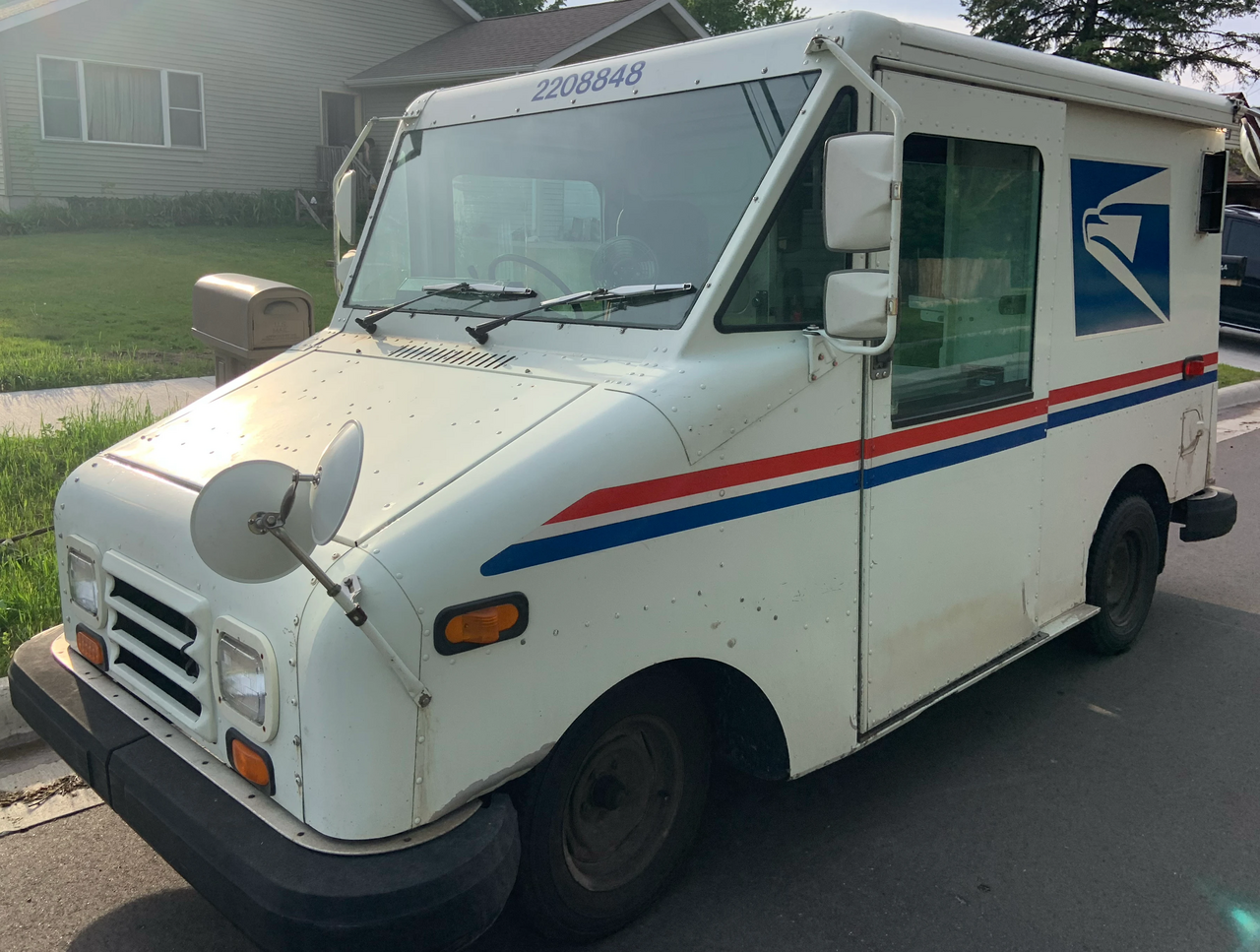
Cover image from thefederalist.com, which was analyzed for this article
The Supreme Court backed an executive order limiting mail-in ballots ahead of midterms, raising concerns about potential chaos in states preparing to send ballots. Election officials and both parties are reacting to the implementation details.
PoliticalOS
Tuesday, August 25, 2026 — Politics
The Supreme Court cleared a procedural path for the administration's mail-ballot data rule but left its legality and practical reach undecided. States must now decide whether to attempt compliance or return to court on a compressed schedule that overlaps with ballot mailing deadlines.
What outlets missed
The Postal Service rule explicitly states it will not refuse ballots from voters absent from any state-submitted list and will not verify citizenship itself. The Supreme Court order was unsigned and per curiam, resting solely on the timing of the original challenges rather than the merits. No outlet detailed the precise barcode and portal mechanics or the 30-day flexible compliance window the rule offers states. The narrow scope of the stay, which leaves a separate Postal Service injunction in place until further motion, also received little attention.
Supreme Court Allows Trump Mail Voting Order to Advance Creating New Election Pressures
The Supreme Court on Monday granted a stay that revives a Trump administration directive on mail ballots, setting up a compressed legal and administrative contest just weeks before states begin sending out ballots for the November midterms. The per curiam order does not resolve the underlying dispute over presidential authority to reshape mail voting procedures. It instead concludes that Democratic-led states moved too quickly in securing a lower court injunction, leaving the policy in force while appeals proceed.
The directive, issued earlier this year, requires states using the Postal Service for federal mail ballots to adopt standardized envelope formats that include barcodes and to transmit voter data through a federal portal. Noncompliant ballots could be withheld from delivery. A separate injunction still blocks the Postal Service from altering operations to enforce the rule, though the administration has asked courts to lift that restriction as well. North Carolina is scheduled to begin mailing ballots to overseas and military voters on September 4, and other states face similar deadlines in the following weeks.
Justice Ketanji Brown Jackson dissented, warning that the decision introduces unnecessary uncertainty into an election cycle already complicated by staggered state deadlines. Election administrators in multiple states have said the formatting and data-sharing mandates would require rapid reprogramming of ballot tracking systems and possible redesign of envelopes, steps that normally take months rather than days. The Postal Service guidelines released after the ruling indicate enforcement could begin as early as Tuesday if remaining legal obstacles are cleared.
The case originates from an executive order signed in March that sought to impose verification requirements on mail ballots beyond those contained in existing federal law. Lower courts had blocked the measure on grounds that it exceeded executive authority and risked disrupting established state election procedures. The Supreme Court’s stay focuses on jurisdictional questions, finding that the government is likely to succeed on arguments about the scope of judicial review over executive election directives. The order explicitly notes that reversal after the midterms would come too late to serve the administration’s stated goals.
States that rely heavily on mail voting, representing roughly one third of the national electorate, now face conflicting obligations. Some Democratic attorneys general have indicated they will continue litigation, while Republican-led states have moved to align their systems with the new federal requirements. The outcome will determine whether the Postal Service begins rejecting noncompliant mail ballots in the coming weeks or whether further court intervention restores the status quo.
The ruling leaves unresolved the broader question of how much authority the executive branch holds to dictate operational details of state-run elections conducted through federal mail infrastructure. With the midterms less than three months away, the immediate effect is to shift the burden onto states and local officials to adapt quickly or absorb the legal and logistical risk of noncompliance.
You just read Liberal's take. Want to read what actually happened?
More in Politics
Democrats Flip Senate, Expand House Majority in Midterms
Democrats flipped the Senate and expanded their House majority in a major rebuke to President Trump and Republicans. Key victories included multiple Senate seats and state-level wins that ended long-standing GOP dominance in places like Texas.
GOP Losses Spur Blame, Vance Distancing, 2028 Maneuvers
Republicans are pointing fingers internally after heavy losses, with Vice President JD Vance distancing himself from Trump over the Iran war and positioning for a potential 2028 run. Challengers within the party are already sensing opportunity.
Democrats Take House and Senate Amid Record Midterm Turnout
Democrats achieved decisive gains in the 2026 midterms, flipping seats to take control of both chambers. Coverage highlights historic turnout and implications for the Trump administration.
Democrats Take House and Senate, Constraining Trump
Democrats flipped both the House and Senate in a major rebuke to President Trump and Republicans. The results create divided government and set up battles over spending, oversight, and foreign policy for the remainder of Trump's term.
The Compass
You just read five takes on one story.
What's your take? Find your political shape in a few minutes.
Take the test