
Trump Mail Rules Hit New Restraining Order as States Face Compliance Deadlines
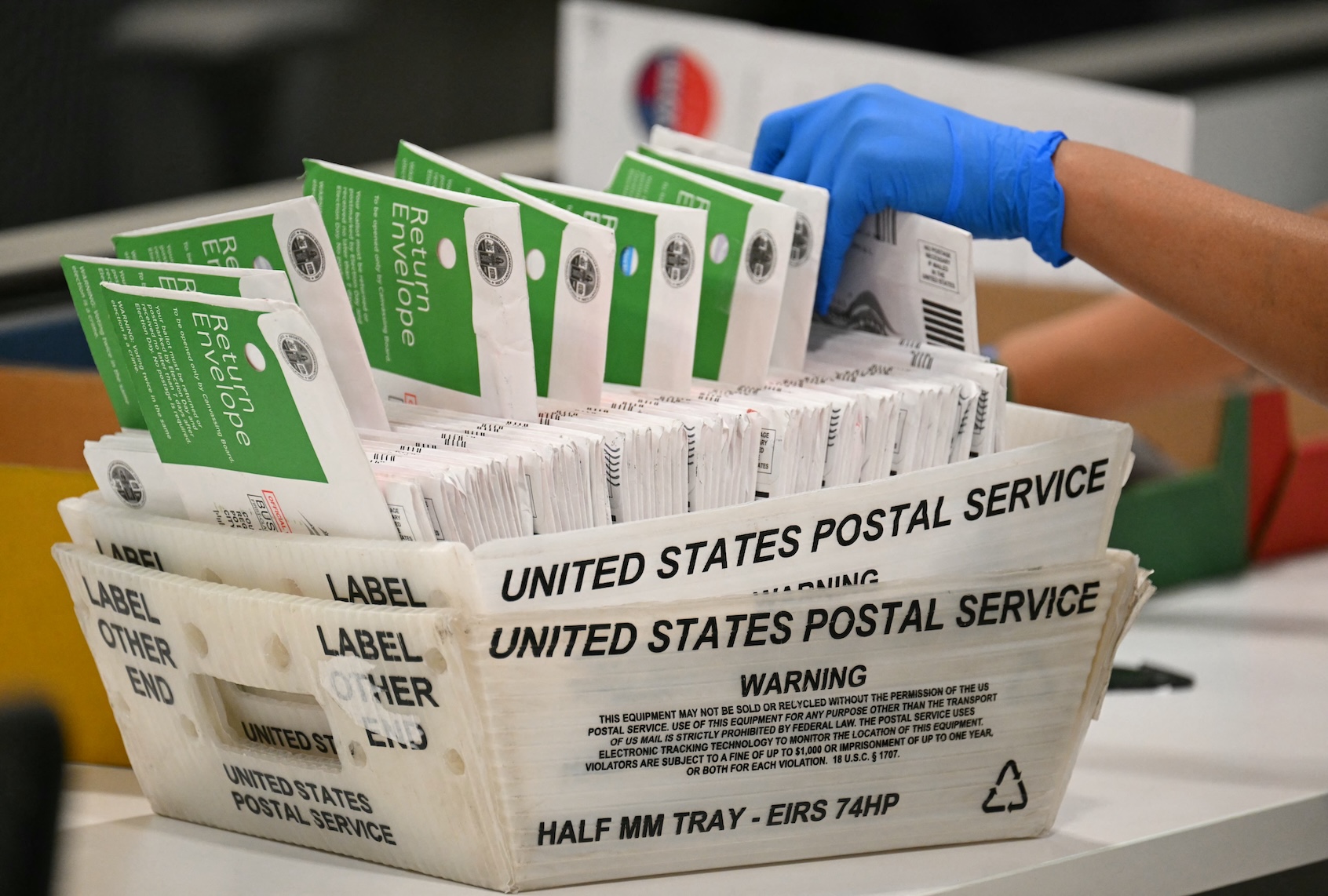
Cover image from salon.com, which was analyzed for this article
New mail voting proposals advance despite USPS concerns over disenfranchisement, with GOP plans potentially affecting millions ahead of midterms. Democrats warn of chaos while Republicans push reforms.
PoliticalOS
Thursday, September 3, 2026 — Politics
The central conflict is whether federal verification rules can be implemented in time for the midterms without disrupting state-run mail voting, or whether they will be blocked by courts on constitutional or practical grounds. States must decide soon whether to alter printed ballots and voter lists while litigation continues.
What outlets missed
None of the three accounts supplied figures on how many ballots arrived after Election Day in recent cycles or how many states currently accept postmarked-by-Election-Day mail. No outlet cited specific past prosecutions or audits documenting mail-ballot fraud that the administration has referenced as justification. The volume of military and overseas ballots that must be mailed this month, and the precise technical specifications for the new barcodes, received only passing mention.
Federal efforts to impose new tracking and verification requirements on mail ballots have collided with state election calendars and court orders two months before the 2026 midterms. An executive order issued in March directs the U.S. Postal Service to process ballots only when states supply complete voter lists for cross-checks against federal citizenship records, mandates intelligent mail barcodes and specific envelope markings, and requires 90 days’ advance notice. The Supreme Court permitted the order to take effect temporarily last week, but a federal judge in Massachusetts issued a 14-day restraining order blocking enforcement, leaving states uncertain whether to reprint envelopes or alter mailing schedules.
Litigation continues. Voting rights groups and more than 20 states argue the rules exceed federal authority under the Constitution’s Elections Clause and the 1993 National Voter Registration Act. USPS officials have raised internal concerns that a single unverified barcode in a bulk mailing could halt an entire batch, a risk highlighted in a whistleblower disclosure to Sen. Richard Blumenthal and in discussions at an August election officials’ conference. Election vendors note that most counties lack the required barcodes and that redesigning envelopes and uploading voter files in the remaining weeks carries high error potential.
States fall into distinct categories. All-mail states such as Colorado, Oregon, and Washington, plus California where 81 percent of 2024 voters used mail ballots, face the largest reprinting costs. North Carolina has already begun mailing ballots; Massachusetts and Washington report millions of envelopes already printed. Decentralized states including Wisconsin must coordinate across hundreds of municipalities with limited staff. A separate Republican bill introduced by Rep. Laurel Lee and Sen. Ashley Moody would require all mail ballots to arrive by Election Day, modeled on Florida’s existing deadline.
The Postal Service has stated in court filings that the rule “need not and should not prevent a single voter from voting by mail.” A White House spokesperson described the software changes as routine for bulk mailers. No public data yet shows how many ballots would be affected by the new cross-checks or batch-rejection protocol. The underlying merits of the executive order are expected to return to the Supreme Court before November.
More in Politics

Trump Defends Ramaswamy Ad Using Estranged Mother in Ohio Race
President Trump defended a GOP nominee's ad featuring a Democratic opponent's estranged mother, calling it powerful, while drawing criticism from some Republicans including Ohio Gov. Mike DeWine. The ad has sparked internal GOP tensions ahead of midterms.
Federal Raid Targets Omar Amid Unresolved Name and Marriage Allegations
Agents searched Rep. Ilhan Omar's DC residence over immigration fraud allegations; she called it bizarre. Reports and commentary questioned her birth name and past marriage details.

Supreme Court Upholds New Hampshire Student ID Voting Ban
The Supreme Court upheld New Hampshire's ban on student IDs as valid voter identification just before midterms, affecting a tight Senate race.
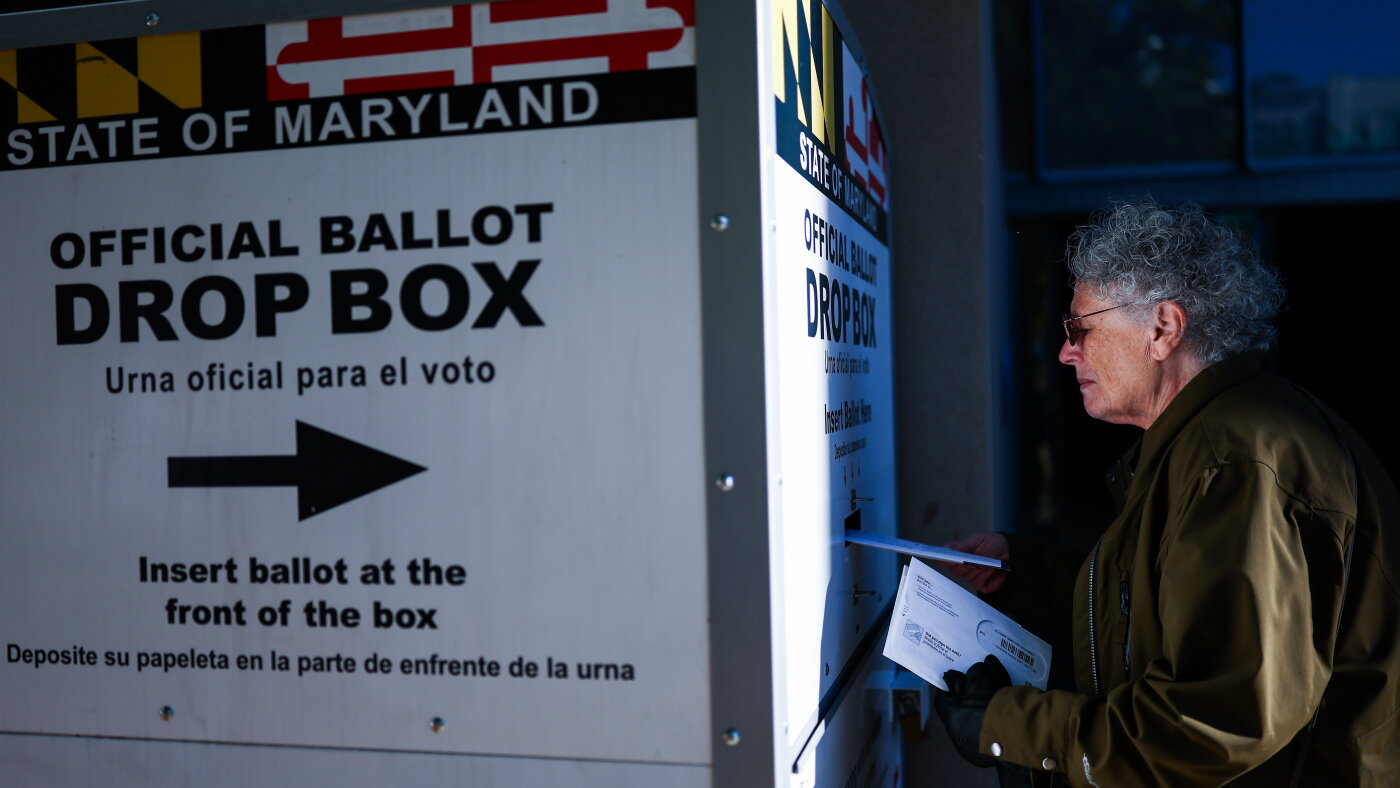
Early Voting Hits 21 Million as Most Trust Midterm Accuracy
Millions have already voted early as parties make final appeals amid $1.4 billion in ad spending; polls show confidence in election accuracy.
The Compass
You just read five takes on one story.
What's your take? Find your political shape in a few minutes.
Take the test