
Trump Mail Rules Hit New Restraining Order as States Face Compliance Deadlines
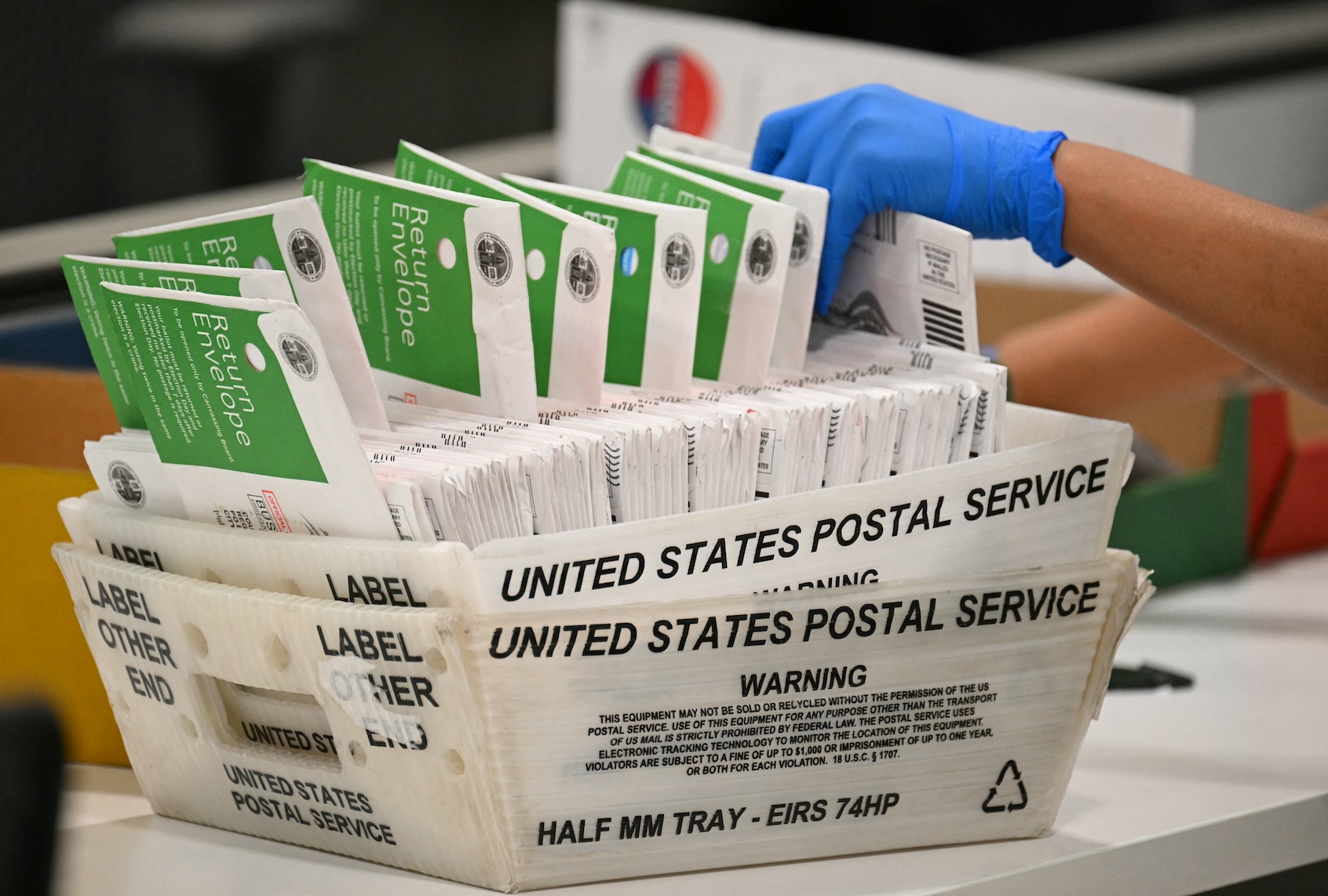
Cover image from salon.com, which was analyzed for this article
New mail voting proposals advance despite USPS concerns over disenfranchisement, with GOP plans potentially affecting millions ahead of midterms. Democrats warn of chaos while Republicans push reforms.
PoliticalOS
Thursday, September 3, 2026 — Politics
The central conflict is whether federal verification rules can be implemented in time for the midterms without disrupting state-run mail voting, or whether they will be blocked by courts on constitutional or practical grounds. States must decide soon whether to alter printed ballots and voter lists while litigation continues.
What outlets missed
None of the three accounts supplied figures on how many ballots arrived after Election Day in recent cycles or how many states currently accept postmarked-by-Election-Day mail. No outlet cited specific past prosecutions or audits documenting mail-ballot fraud that the administration has referenced as justification. The volume of military and overseas ballots that must be mailed this month, and the precise technical specifications for the new barcodes, received only passing mention.
Trump Seeks Order in Mail Voting as Midterms Approach
President Donald Trump’s executive order directing the Postal Service to enforce an Election Day deadline for mail ballots has sparked fresh legal fights just two months before the midterms. The move aims to bring consistency to a process that has produced delayed counts and questions about legitimacy in recent cycles.
The order, issued in March, tasks USPS and Homeland Security with new regulations requiring ballots to arrive by the close of polls. Supporters say the change mirrors rules already in place in states like Florida, where officials report no widespread problems and clearer results on election night. Rep. Laurel Lee, a Florida Republican and former state elections chief, is set to introduce legislation Thursday that would codify the deadline nationwide, with a matching Senate bill from Sen. Ashley Moody. Lee noted that voters simply need to know the cutoff and act accordingly, just as they do for any other deadline.
Internal USPS discussions revealed worries that stricter handling could slow delivery for some voters, according to people familiar with the rulemaking. An anonymous federal employee filed a whistleblower notice with Sen. Richard Blumenthal claiming the system is untested and risks errors. Those concerns have fueled lawsuits from states and advocacy groups, producing a string of court actions. The Supreme Court last week allowed the order to proceed for now, but a Massachusetts judge quickly issued a 14-day restraining order halting implementation. States now face uncertainty over whether to adjust their procedures or wait for the next ruling.
Critics of the changes have warned of mass disenfranchisement, yet data from states with similar deadlines show high mail-ballot usage without collapse in participation. The real pattern in recent elections has been late-arriving ballots creating prolonged uncertainty and opportunities for disputes. Trump’s approach seeks to close that window by requiring timely receipt rather than relying on postmarks or extended counting periods that have invited skepticism.
The legal ping-pong leaves election administrators in a bind. Some states may proceed with existing rules while others scramble to meet federal guidance that remains in flux. Proponents argue the back-and-forth itself stems from resistance to basic safeguards that most countries take for granted when conducting national votes. With the midterms looming, the fight centers on whether ballots should be treated like other time-sensitive mail or allowed to trickle in after results start rolling in.
Florida’s experience suggests the deadline does not suppress turnout when voters receive clear notice. The national version would simply apply the same standard everywhere, reducing the patchwork that has fueled claims of uneven rules. As litigation continues, the core question remains how to deliver verifiable, timely outcomes that command broad confidence rather than endless recounts and court interventions.
You just read America First's take. Want to read what actually happened?
More in Politics
Democrats Flip Senate, Expand House Majority in Midterms
Democrats flipped the Senate and expanded their House majority in a major rebuke to President Trump and Republicans. Key victories included multiple Senate seats and state-level wins that ended long-standing GOP dominance in places like Texas.
GOP Losses Spur Blame, Vance Distancing, 2028 Maneuvers
Republicans are pointing fingers internally after heavy losses, with Vice President JD Vance distancing himself from Trump over the Iran war and positioning for a potential 2028 run. Challengers within the party are already sensing opportunity.
Democrats Take House and Senate Amid Record Midterm Turnout
Democrats achieved decisive gains in the 2026 midterms, flipping seats to take control of both chambers. Coverage highlights historic turnout and implications for the Trump administration.
Democrats Take House and Senate, Constraining Trump
Democrats flipped both the House and Senate in a major rebuke to President Trump and Republicans. The results create divided government and set up battles over spending, oversight, and foreign policy for the remainder of Trump's term.
The Compass
You just read five takes on one story.
What's your take? Find your political shape in a few minutes.
Take the test