
Trump Mail Rules Hit New Restraining Order as States Face Compliance Deadlines
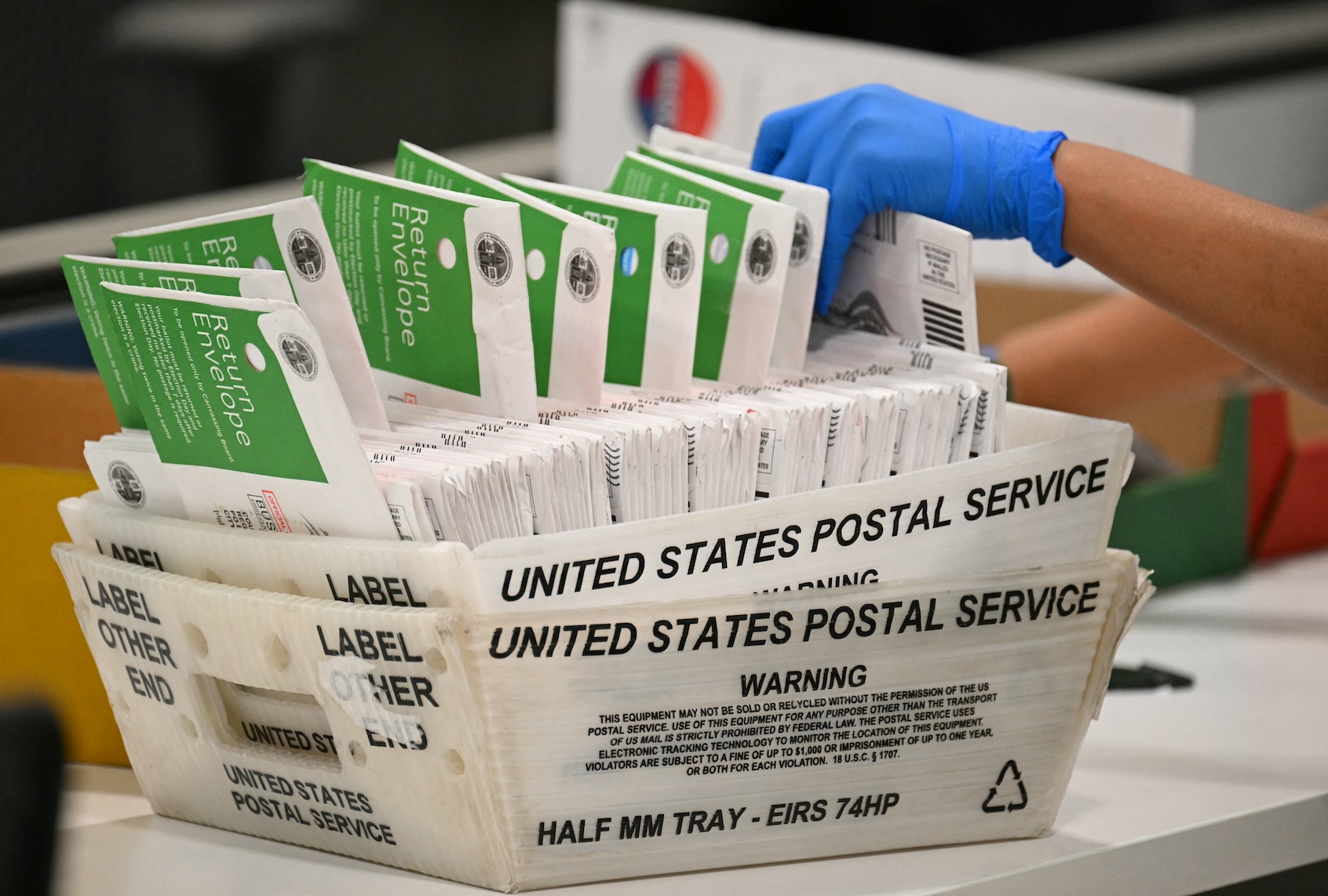
Cover image from salon.com, which was analyzed for this article
New mail voting proposals advance despite USPS concerns over disenfranchisement, with GOP plans potentially affecting millions ahead of midterms. Democrats warn of chaos while Republicans push reforms.
PoliticalOS
Thursday, September 3, 2026 — Politics
The central conflict is whether federal verification rules can be implemented in time for the midterms without disrupting state-run mail voting, or whether they will be blocked by courts on constitutional or practical grounds. States must decide soon whether to alter printed ballots and voter lists while litigation continues.
What outlets missed
None of the three accounts supplied figures on how many ballots arrived after Election Day in recent cycles or how many states currently accept postmarked-by-Election-Day mail. No outlet cited specific past prosecutions or audits documenting mail-ballot fraud that the administration has referenced as justification. The volume of military and overseas ballots that must be mailed this month, and the precise technical specifications for the new barcodes, received only passing mention.
Trump Administration Pushes Mail Ballot Overhaul as Legal Fights and Internal Concerns Mount
The Trump administration's effort to reshape how mail ballots are handled for the upcoming midterms has produced a rapid cycle of executive action, court rulings and fresh legislation that leaves election administrators with little time to adjust. An executive order issued in March directed the Postal Service and the Department of Homeland Security to develop nationwide standards for mail voting, including stricter receipt deadlines. The Supreme Court allowed the order to proceed on a temporary basis last week without addressing its underlying legal questions, prompting new lawsuits and a 14-day restraining order from a federal judge in Massachusetts.
Internal Postal Service discussions revealed doubts about whether the new requirements could be implemented without widespread delays. Officials involved in drafting the rules warned that the changes risked preventing large numbers of ballots from reaching election offices on time, according to people familiar with the process. Those concerns did not halt the rulemaking. A separate whistleblower disclosure sent to Senator Richard Blumenthal described the entire effort as rushed and untested, raising the possibility of errors that could affect eligible voters in November.
Republican lawmakers are now moving to codify similar restrictions through legislation. Representative Laurel Lee of Florida and Senator Ashley Moody plan to introduce bills requiring that absentee and mail ballots arrive by the close of polls on Election Day rather than relying on postmarks. Lee, a former Florida secretary of state, has pointed to her state's experience as evidence that clear deadlines can coexist with high turnout when voters receive adequate notice. The proposal would apply the same standard nationwide and could affect millions of ballots that currently arrive in the days after Election Day in states with more flexible rules.
States now face conflicting signals. Some must decide whether to revise their mail-ballot procedures to match the federal guidance or wait for further court decisions that could arrive weeks before the election. The back-and-forth has already forced local officials to reassess printing schedules, tracking systems and voter education campaigns. Election experts note that last-minute changes to ballot receipt rules tend to increase the share of ballots rejected for arriving late, particularly among first-time mail voters and those in rural areas where delivery times vary.
Supporters of the administration's approach argue that uniform deadlines reduce opportunities for disputes after Election Day and restore confidence in the count. Critics, including voting rights groups filing new suits, contend that the changes were developed without sufficient testing and could disproportionately affect voters who rely on mail ballots because of work schedules, health concerns or distance from polling places. The Supreme Court's narrow procedural ruling left both sides room to continue litigating the substance of the policy through the fall.
The combination of the executive order, ongoing litigation and the new congressional proposal has compressed the timeline for states to prepare. With two months until the midterms, election offices are weighing whether to adopt the stricter receipt standard immediately or maintain existing practices while courts sort out the legal challenges. The outcome will determine how many ballots cast by mail are counted and how quickly results can be certified in closely contested races.
You just read Liberal's take. Want to read what actually happened?
More in Politics
Democrats Flip Senate, Expand House Majority in Midterms
Democrats flipped the Senate and expanded their House majority in a major rebuke to President Trump and Republicans. Key victories included multiple Senate seats and state-level wins that ended long-standing GOP dominance in places like Texas.
GOP Losses Spur Blame, Vance Distancing, 2028 Maneuvers
Republicans are pointing fingers internally after heavy losses, with Vice President JD Vance distancing himself from Trump over the Iran war and positioning for a potential 2028 run. Challengers within the party are already sensing opportunity.
Democrats Take House and Senate Amid Record Midterm Turnout
Democrats achieved decisive gains in the 2026 midterms, flipping seats to take control of both chambers. Coverage highlights historic turnout and implications for the Trump administration.
Democrats Take House and Senate, Constraining Trump
Democrats flipped both the House and Senate in a major rebuke to President Trump and Republicans. The results create divided government and set up battles over spending, oversight, and foreign policy for the remainder of Trump's term.
The Compass
You just read five takes on one story.
What's your take? Find your political shape in a few minutes.
Take the test