
Trump Mail Rules Hit New Restraining Order as States Face Compliance Deadlines
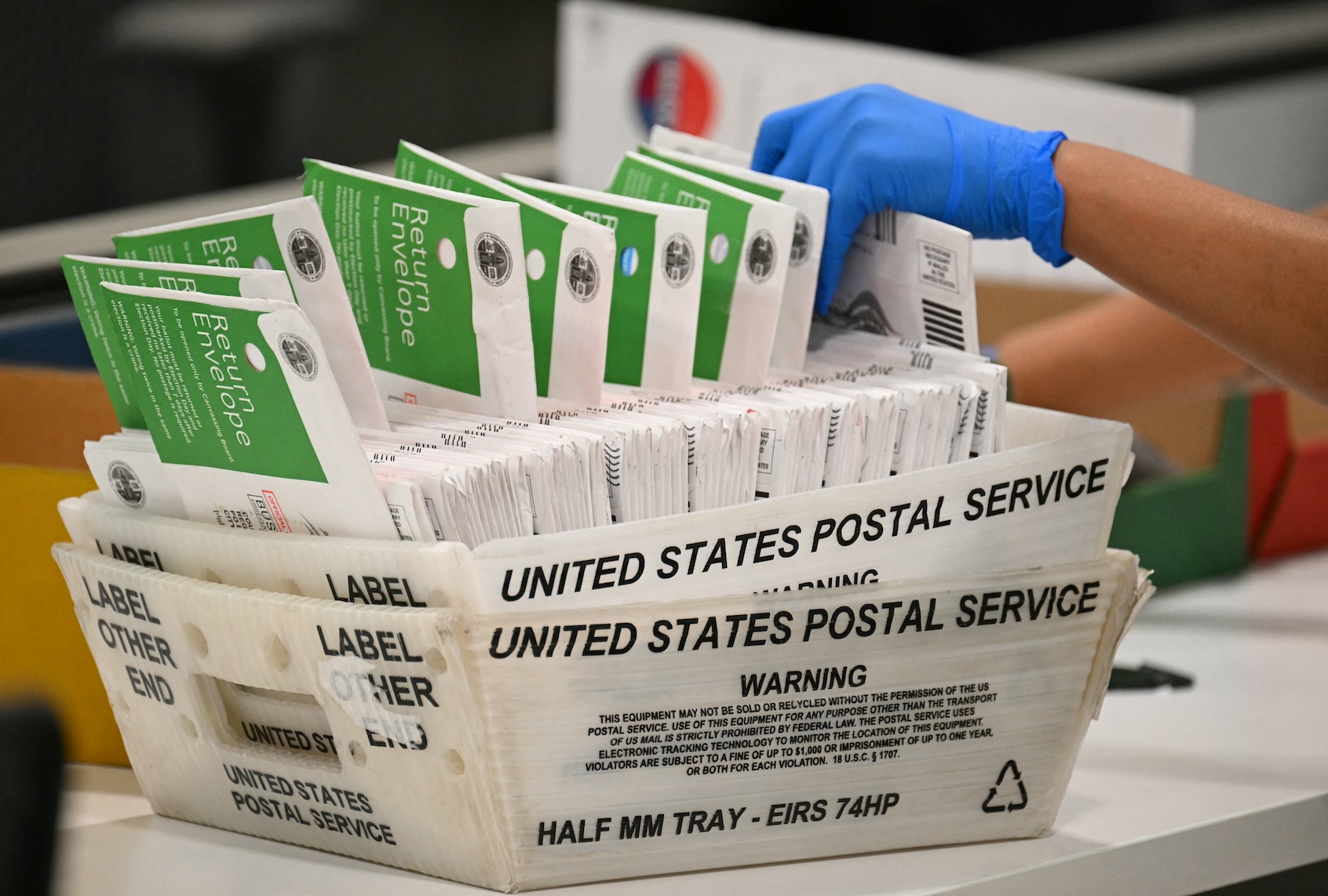
Cover image from salon.com, which was analyzed for this article
New mail voting proposals advance despite USPS concerns over disenfranchisement, with GOP plans potentially affecting millions ahead of midterms. Democrats warn of chaos while Republicans push reforms.
PoliticalOS
Thursday, September 3, 2026 — Politics
The central conflict is whether federal verification rules can be implemented in time for the midterms without disrupting state-run mail voting, or whether they will be blocked by courts on constitutional or practical grounds. States must decide soon whether to alter printed ballots and voter lists while litigation continues.
What outlets missed
None of the three accounts supplied figures on how many ballots arrived after Election Day in recent cycles or how many states currently accept postmarked-by-Election-Day mail. No outlet cited specific past prosecutions or audits documenting mail-ballot fraud that the administration has referenced as justification. The volume of military and overseas ballots that must be mailed this month, and the precise technical specifications for the new barcodes, received only passing mention.
Trump's Mail Voting Push Triggers Legal Chaos and Warnings of Widespread Voter Barriers
President Donald Trump's March executive order directing the U.S. Postal Service and Homeland Security Department to overhaul mail voting procedures has plunged states into uncertainty just weeks before the midterms. The Supreme Court allowed the order to proceed on a temporary basis last week without ruling on its underlying legality, prompting immediate new lawsuits and a fresh restraining order from a federal judge in Massachusetts.
The back-and-forth leaves election officials scrambling. States must now decide whether to overhaul their mail ballot deadlines and processing rules to match the federal directive or risk violating court orders by holding off. Internal USPS discussions, revealed through sources familiar with the process, show top officials raised alarms that the new requirements could delay or outright block ballots from reaching large numbers of eligible voters. Those concerns did not halt the rulemaking.
A separate whistleblower disclosure sent to Sen. Richard Blumenthal described the entire effort as secretive, rushed, chaotic, and fundamentally flawed. The employee warned that the untested system carries a high risk of errors that could produce mass disenfranchisement in November. The disclosure aligns with earlier reporting that USPS staff worried the changes would hit voters who rely on mail ballots hardest, including those in rural areas and communities with limited access to polling places.
Republican lawmakers have moved in tandem with the administration. Rep. Laurel Lee of Florida and Sen. Ashley Moody introduced companion bills requiring absentee and mail ballots to arrive by the close of Election Day. Lee, the state's former elections chief, pointed to Florida's rules as a model that keeps results organized without denying anyone the franchise. Critics note, however, that the proposal effectively shortens the window for ballots postmarked near Election Day, a change that studies have shown disproportionately affects younger voters, minorities, and military personnel serving overseas.
The legal landscape remains unsettled. The Supreme Court's narrow procedural ruling left the door open for further challenges, and voting rights groups have already filed updated complaints arguing the order exceeds federal authority and conflicts with state election laws. Several states have signaled they will continue operating under existing deadlines while litigation plays out.
Election administrators across the country now face a compressed timeline. They must train staff on shifting federal expectations, update voter communications, and prepare contingency plans if courts issue additional injunctions. The result, according to officials tracking the process, is precisely the kind of confusion that can erode public confidence in the count.
You just read Progressive's take. Want to read what actually happened?
More in Politics
Democrats Flip Senate, Expand House Majority in Midterms
Democrats flipped the Senate and expanded their House majority in a major rebuke to President Trump and Republicans. Key victories included multiple Senate seats and state-level wins that ended long-standing GOP dominance in places like Texas.
GOP Losses Spur Blame, Vance Distancing, 2028 Maneuvers
Republicans are pointing fingers internally after heavy losses, with Vice President JD Vance distancing himself from Trump over the Iran war and positioning for a potential 2028 run. Challengers within the party are already sensing opportunity.
Democrats Take House and Senate Amid Record Midterm Turnout
Democrats achieved decisive gains in the 2026 midterms, flipping seats to take control of both chambers. Coverage highlights historic turnout and implications for the Trump administration.
Democrats Take House and Senate, Constraining Trump
Democrats flipped both the House and Senate in a major rebuke to President Trump and Republicans. The results create divided government and set up battles over spending, oversight, and foreign policy for the remainder of Trump's term.
The Compass
You just read five takes on one story.
What's your take? Find your political shape in a few minutes.
Take the test