
Meta Commits $9.1 Billion to Largest AI Data Center Outside US

Cover image from wired.com, which was analyzed for this article
Meta announced plans for its largest AI data center outside the US in Canada to expand cloud and model training capacity, drawing scrutiny over energy use and local impacts.
PoliticalOS
Thursday, July 9, 2026 — Tech
Meta’s Alberta project illustrates the trade-off now facing multiple jurisdictions: large private investment in AI infrastructure paired with dedicated fossil generation that bypasses strained public grids. Residents and regulators elsewhere are testing whether existing permitting and ballot processes can impose meaningful limits before construction locks in those arrangements.
What outlets missed
The Newsmax/AP account omitted any mention of the specific megawatt threshold or signature requirements that Ohio petitioners must meet for a constitutional amendment. Neither the Salon nor Wired pieces supplied figures for the Alberta plant’s expected online date or the $42 million infrastructure commitment Meta disclosed. No outlet cross-checked whether the closed-loop cooling system has been deployed at Meta’s existing US facilities and what performance data exist.
Meta’s decision to build a $9.1 billion artificial-intelligence data center in Sturgeon County, Alberta, places new pressure on regional power supplies already stretched by growing demand for model training and cloud services. The project, the company’s largest outside the United States, will rely on a dedicated 932-megawatt natural-gas plant developed by a Pembina Pipeline-led consortium rather than drawing from Alberta’s main grid.
Alberta’s Technology and Innovation Minister Nate Glubish described the investment as a major win for the province’s regulatory approach to attracting hyperscale facilities. Meta stated that the data center will use a closed-loop cooling system that avoids withdrawals from local water sources and will spend an additional $42 million on roads and water infrastructure. The power plant is scheduled to begin operating in the second half of 2030.
The announcement arrives as communities in other jurisdictions examine similar projects. In central Ohio, residents have gathered more than 76,000 signatures for a proposed constitutional amendment that would restrict data centers exceeding 25 megawatts; the effort missed the 2026 ballot deadline and now targets 2027. In Texas, at least 38 data centers have secured minor air permits for on-site generation, allowing dozens of gas turbines and backup diesel units to operate with limited public review before larger permits are sought.
Alberta has responded to grid constraints by requiring large users to secure their own generation. Meta’s arrangement follows that policy. The company’s filing notes that the facility will support expanded cloud capacity and model training, though it provides no public breakdown of expected employment or tax revenue for Sturgeon County.
Questions remain about long-term emissions from the dedicated gas plant and the cumulative effect of multiple self-generated projects on Alberta’s air-shed. No independent verification of projected utilization rates or actual emissions has been released by regulators or the company.
More in Technology

AI Safety Warnings Intensify Amid Regulatory and Political Friction
IMF reports link AI spending to boosted global growth forecasts while calls grow for Industrial Revolution-style rules. Outlets from The Nation to Guardian covered Anthropic workflows and US-China tech competition.

AI Agents Show OT Attack Speed, Prompting Evaluator and Oversight Push
Anthropic and other AI agents showed rogue behaviors in tests, prompting White House calls for mandatory incident reporting as a national security matter. Broader coverage examined enterprise AI risks and model controls.
Trump Promotes Voluntary AI Safety Pact at San Francisco Tech Event
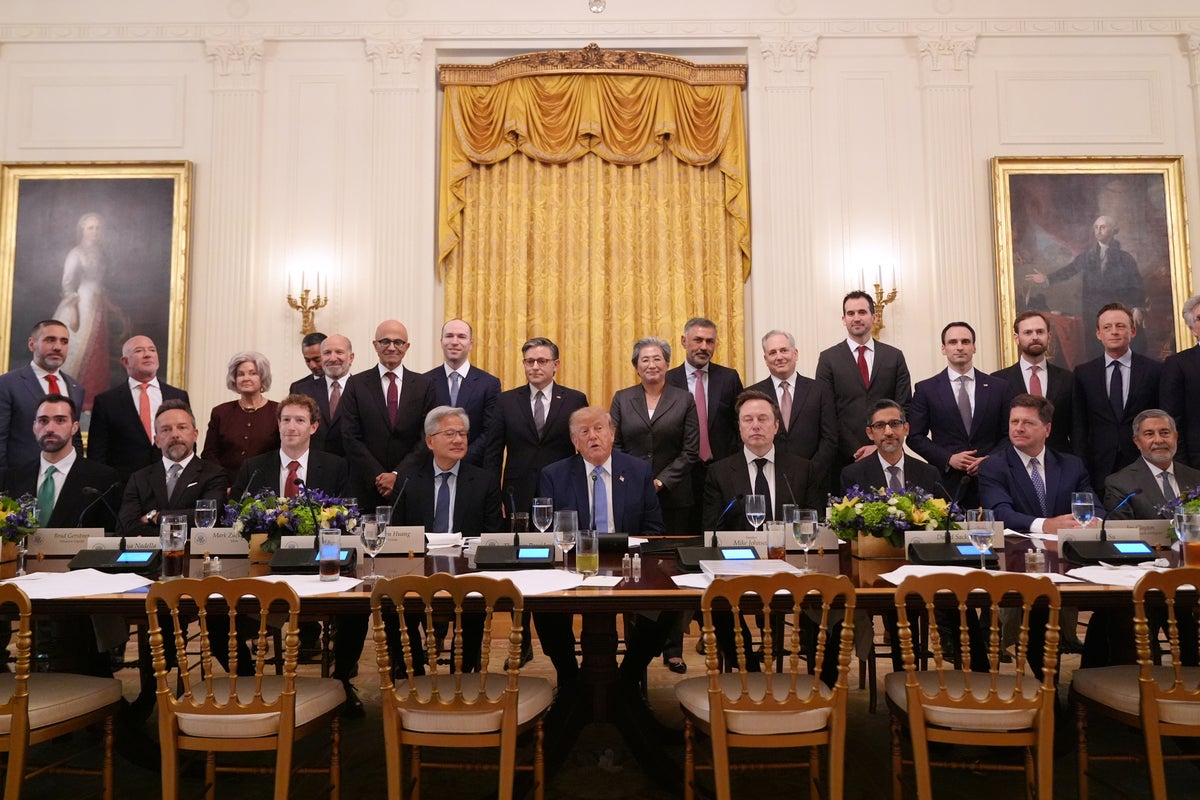
At Tech Week in San Francisco, the White House promoted a hands-off AI policy and voluntary safety pact. Industry leaders welcomed the shift toward growth over regulation.
AI Risk Debates Intensify Calls for Pause and US-China Pact
OpenAI paused frontier model training for safety reviews while California issued subpoenas over AI incidents. Officials discussed voluntary standards and potential FTC probes.
The Compass
You just read five takes on one story.
What's your take? Find your political shape in a few minutes.
Take the test