
Michigan Primary Tests Progressive Strength in Swing-State Senate Race
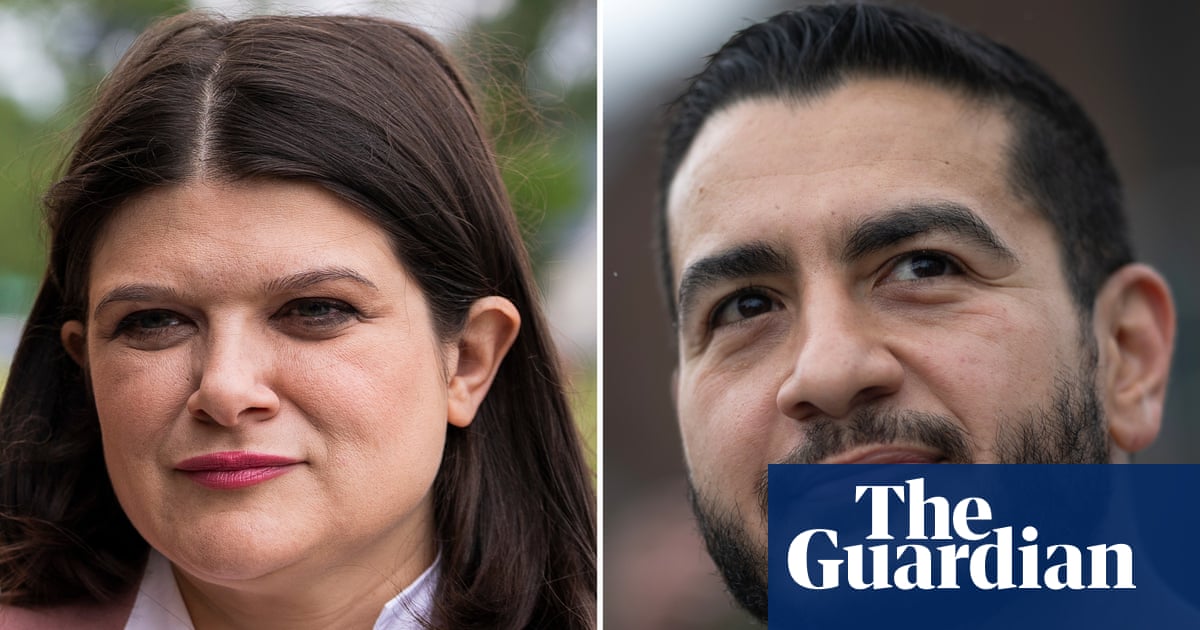
Cover image from theguardian.com, which was analyzed for this article
Voters in Michigan decide the Democratic nominee for US Senate in a high-stakes race featuring Rep. Haley Stevens and Dr. Abdul El-Sayed, seen as a test for progressive insurgents versus establishment candidates. Coverage highlights record pro-Israel spending and implications for the party's direction ahead of midterms.
PoliticalOS
Tuesday, August 4, 2026 — Politics
The Michigan primary measures whether progressive candidates can win a Senate nomination in a swing state when facing heavy outside spending tied to Israel policy. The result will shape Democratic strategy for the November contest against Mike Rogers and test the durability of establishment endorsements.
What outlets missed
Several outlets omitted the Emerson poll showing El-Sayed ahead 54-39 in the final week. Most did not include El-Sayed's direct statement distinguishing Israel's theoretical right to exist from receipt of U.S. aid. Coverage rarely noted the methodological context for Gaza casualty figures cited by El-Sayed. Few reports supplied turnout projections or demographic breakdowns of the primary electorate. The precise split between primary and general-election polling averages was seldom presented together.
Michigan Primary Highlights Democratic Divisions Over Socialist Influence
Voters in Michigan decide Tuesday between progressive challenger Abdul El-Sayed and establishment-backed Representative Haley Stevens in a Senate primary that underscores deepening fractures within the Democratic Party. The contest to replace retiring Senator Gary Peters carries weight beyond the state, as Democrats seek to retain a seat essential to their midterm hopes against a Republican majority.
El-Sayed, a former Wayne County health director and son of Egyptian immigrants, has drawn endorsements from Senator Bernie Sanders and Representative Alexandria Ocasio-Cortez. He promotes Medicare for All and has described Israel's actions in Gaza as genocide while calling for an end to U.S. military aid. Stevens, a four-term congresswoman from the Detroit suburbs, positions herself as the stronger general election candidate with experience in manufacturing and bipartisan legislation. She maintains support for continued military aid to Israel and has received backing from Governor Gretchen Whitmer and Senate Democratic leader Chuck Schumer.
Polls show El-Sayed leading by roughly ten points in the primary, though the race has drawn more than eighty million dollars in total spending. Groups affiliated with the American Israel Public Affairs Committee have directed the bulk of outside funds toward Stevens, exceeding sixty million dollars in support of her campaign. Stevens has defended the contributions as evidence of broad Democratic alignment while criticizing dark money overall. El-Sayed's supporters, including members of the Democratic Socialists of America, have mobilized door-knocking efforts to expand the left-wing coalition into battleground territory.
The outcome carries direct implications for November. Republican nominee Mike Rogers, endorsed by President Donald Trump, narrowly lost the seat in 2024 to a less ideological Democrat. Recent surveys indicate El-Sayed runs closer to Rogers than Stevens would in a general election, raising concerns among party strategists that a progressive nominee could hand Republicans a pickup in a state Trump carried last cycle. Similar patterns have emerged in other Democratic primaries this year, where left-wing candidates have prevailed in safe districts but face questions about broader appeal.
The Michigan vote forms part of a wider test for the party following its 2024 losses. Progressive gains in congressional races across blue areas have emboldened insurgents, yet the need to hold competitive Senate seats like this one exposes tensions between ideological purity and electoral pragmatism. Establishment figures worry that embracing policies such as single-payer healthcare and sharp reductions in foreign aid could alienate working-class and minority voters who have shifted toward Republicans in recent cycles. El-Sayed's campaign tests whether such positions can succeed outside deep-blue enclaves.
Stevens has emphasized electability and institutional experience, arguing that her record better positions Democrats to compete against Rogers. El-Sayed counters that bold economic changes address voter frustrations more effectively than incremental approaches. Tuesday's results will clarify which approach prevails in this must-hold contest and signal the durability of the party's internal realignment.
You just read Conservative's take. Want to read what actually happened?
More in Politics
Democrats Flip Senate, Expand House Majority in Midterms
Democrats flipped the Senate and expanded their House majority in a major rebuke to President Trump and Republicans. Key victories included multiple Senate seats and state-level wins that ended long-standing GOP dominance in places like Texas.
GOP Losses Spur Blame, Vance Distancing, 2028 Maneuvers
Republicans are pointing fingers internally after heavy losses, with Vice President JD Vance distancing himself from Trump over the Iran war and positioning for a potential 2028 run. Challengers within the party are already sensing opportunity.
Democrats Take House and Senate Amid Record Midterm Turnout
Democrats achieved decisive gains in the 2026 midterms, flipping seats to take control of both chambers. Coverage highlights historic turnout and implications for the Trump administration.
Democrats Take House and Senate, Constraining Trump
Democrats flipped both the House and Senate in a major rebuke to President Trump and Republicans. The results create divided government and set up battles over spending, oversight, and foreign policy for the remainder of Trump's term.
The Compass
You just read five takes on one story.
What's your take? Find your political shape in a few minutes.
Take the test