
Polls Show Partisan Split on Midterm Fairness Expectations
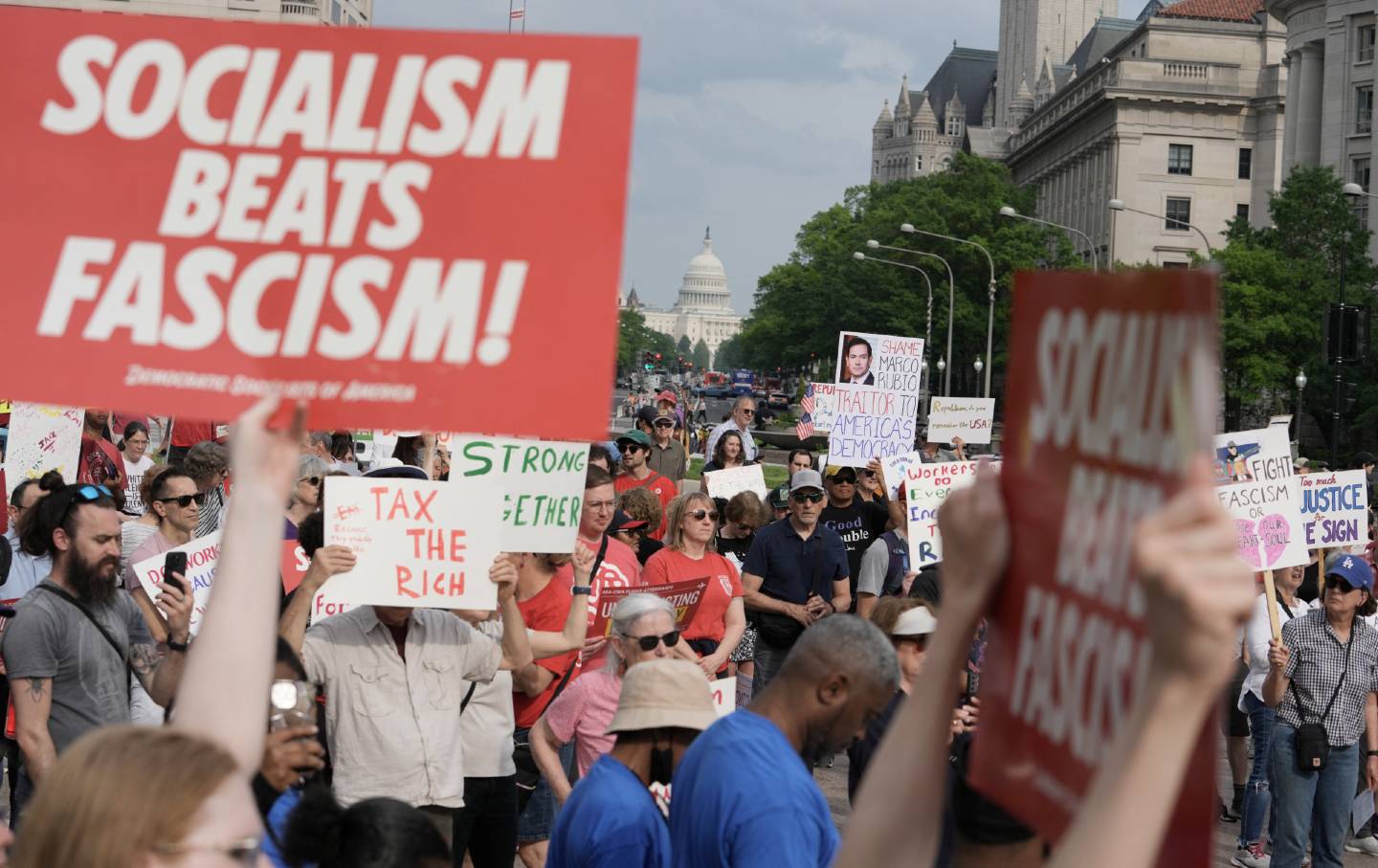
Cover image from thenation.com, which was analyzed for this article
Polls show about 60% of Americans expect fair midterms, but most doubt Trump would accept results if Republicans lose, reflecting deep partisan skepticism two weeks before Election Day.
PoliticalOS
Tuesday, October 20, 2026 — Politics
Available reporting does not substantiate claims about 60 percent expecting fair midterms or doubts over result acceptance. Readers lack verified survey evidence on these points from the sources examined.
What outlets missed
Neither article examined public confidence in election administration or willingness of candidates to accept results. The independent piece stopped at voting intention demographics and historical patterns without linking them to fairness perceptions. The Nation essay remained entirely outside the topic of elections. No data on partisan differences in trust or on specific survey questions about result acceptance appeared in either source.
Polls Highlight Economic Worries and Shifting Views on Government Roles
Recent surveys reveal deep public unease about the direction of the United States as midterm elections approach. An Economist/YouGov poll conducted in mid-October found that 48 percent of respondents felt more pessimistic about their personal futures than a decade earlier, compared with just 23 percent who reported greater optimism. Separate questions in the same period showed 70 percent believing the country was out of control and 66 percent saying it was on the wrong track.
These attitudes coincide with widespread dissatisfaction toward the sitting president. Large shares described Donald Trump as corrupt or dangerous, while only 28 percent viewed him as effective and 23 percent as honest. Such numbers align with historical patterns in which the party holding the White House tends to lose congressional seats in midterm contests.
Economic pressures, particularly inflation, stand out as a central driver of discontent. Respondents linked rising costs directly to daily living standards, echoing concerns that have persisted through multiple administrations regardless of party control. Government data over recent years has shown inflation eroding wage gains for many households, a pattern that independent analyses attribute to expansive fiscal measures and supply disruptions rather than isolated events.
Alongside these findings, public discussion has turned to the meaning of socialism as an alternative framework. A Gallup survey from the prior year indicated that only 54 percent of Americans held a favorable view of capitalism, while 39 percent expressed positive opinions of socialism. Younger cohorts showed stronger interest in the latter term, often framing it as a corrective to perceived shortcomings in market outcomes.
Yet definitions vary widely. Some portray socialism as a set of regulations intended to temper market excesses and redistribute resources, while others associate it with more direct state ownership of production. Historical records from the twentieth century demonstrate that attempts at comprehensive central planning frequently produced shortages, reduced innovation, and slower growth compared with market-oriented systems. Countries that retained private property rights and price signals, even with welfare expansions, generally sustained higher living standards over time.
Critics of expanded government roles argue that vague enthusiasm for socialism often overlooks these trade-offs. Data from nations with heavy intervention show mixed results, where targeted safety nets coexist with market mechanisms that generate the wealth being redistributed. In contrast, broader efforts to replace voluntary exchange with administrative allocation have repeatedly required coercion to enforce outcomes, limiting individual choice and mobility.
As voters weigh candidates, the polling underscores a tension between short-term frustrations and longer-term institutional choices. Economic indicators such as employment rates and productivity growth remain central to assessments of policy effectiveness, independent of rhetorical appeals. The coming elections will test whether dissatisfaction translates into shifts toward greater state direction or renewed emphasis on competitive markets.
You just read Conservative's take. Want to read what actually happened?
More in Politics

Democrats Flip Senate, Expand House Majority in Midterms
Democrats flipped the Senate and expanded their House majority in a major rebuke to President Trump and Republicans. Key victories included multiple Senate seats and state-level wins that ended long-standing GOP dominance in places like Texas.

GOP Losses Spur Blame, Vance Distancing, 2028 Maneuvers
Republicans are pointing fingers internally after heavy losses, with Vice President JD Vance distancing himself from Trump over the Iran war and positioning for a potential 2028 run. Challengers within the party are already sensing opportunity.

Democrats Take House and Senate Amid Record Midterm Turnout
Democrats achieved decisive gains in the 2026 midterms, flipping seats to take control of both chambers. Coverage highlights historic turnout and implications for the Trump administration.
Democrats Take House and Senate, Constraining Trump
Democrats flipped both the House and Senate in a major rebuke to President Trump and Republicans. The results create divided government and set up battles over spending, oversight, and foreign policy for the remainder of Trump's term.
The Compass
You just read five takes on one story.
What's your take? Find your political shape in a few minutes.
Take the test