
Polls Show Partisan Split on Midterm Fairness Expectations
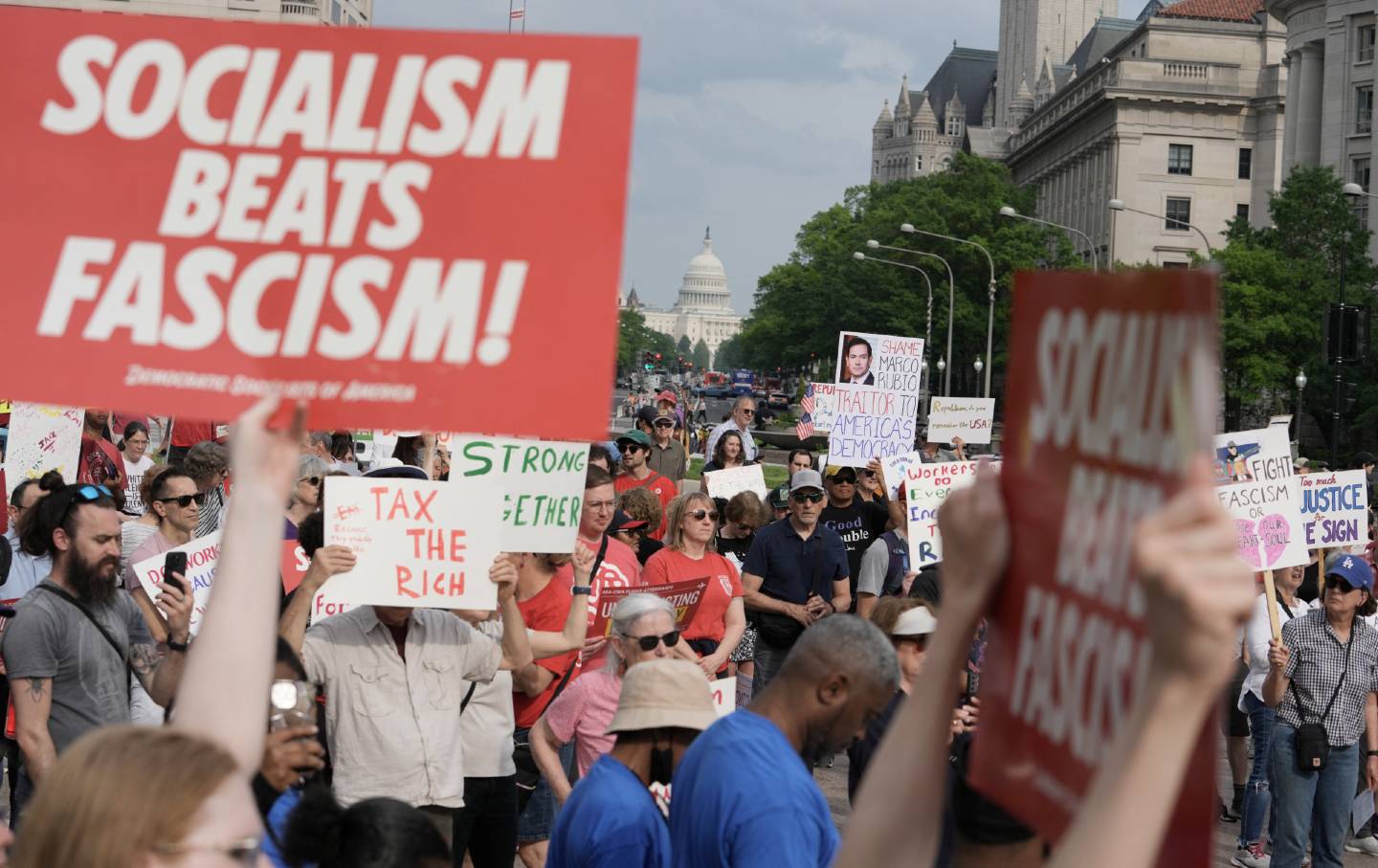
Cover image from thenation.com, which was analyzed for this article
Polls show about 60% of Americans expect fair midterms, but most doubt Trump would accept results if Republicans lose, reflecting deep partisan skepticism two weeks before Election Day.
PoliticalOS
Tuesday, October 20, 2026 — Politics
Available reporting does not substantiate claims about 60 percent expecting fair midterms or doubts over result acceptance. Readers lack verified survey evidence on these points from the sources examined.
What outlets missed
Neither article examined public confidence in election administration or willingness of candidates to accept results. The independent piece stopped at voting intention demographics and historical patterns without linking them to fairness perceptions. The Nation essay remained entirely outside the topic of elections. No data on partisan differences in trust or on specific survey questions about result acceptance appeared in either source.
Americans Losing Faith in System as Socialism Gains Appeal Among Youth
Pessimism grips much of the country as voters head into the November midterms, with new surveys showing widespread doubt about the direction of the economy and the effectiveness of leadership in Washington. An Economist/YouGov poll released this week found that 48 percent of Americans feel more pessimistic about their futures than they did a decade ago, while only 23 percent report feeling more optimistic. A separate question in the same survey revealed that 70 percent believe things in the country are out of control, and 66 percent say the nation is on the wrong track.
These attitudes align with broader trends captured in recent Gallup data showing eroding support for capitalism itself. Just 54 percent of Americans now view capitalism favorably, while 39 percent hold a positive opinion of socialism. The shift is most pronounced among younger voters, many of whom have grown disillusioned after years of stagnant wages, rising costs, and policies that seem to favor large corporations and global interests over ordinary families.
The independent poll also highlighted sharp criticism of President Trump, with corruption cited as the top descriptor among respondents, followed by perceptions that he is dangerous. Only 28 percent described him as effective and 23 percent as honest. Inflation stands out as a primary driver of discontent, squeezing household budgets and fueling the sense that the economy is not working for most people despite official claims of strength.
This backdrop helps explain the growing curiosity about socialism among those under 30. The term has resurfaced in political debates as an alternative to the current arrangement, where markets dominate without sufficient guardrails. Proponents argue it could deliver more regulated capitalism that prioritizes workers through better wages, affordable housing, and protections against corporate excess. Critics counter that it risks expanding government control in ways that historically stifle innovation and individual initiative.
Midterm elections typically punish the president's party, and current conditions suggest Democrats could gain ground if voters channel their frustrations at the ballot box. Yet the deeper issue appears to be a loss of confidence in both major parties' ability to address core problems like border security, trade deals that hollow out manufacturing, and an elite class insulated from the consequences of their decisions.
Younger Americans, in particular, see little upside in defending the status quo after watching decades of promises go unfulfilled. Their turn toward socialist language reflects not abstract ideology but a practical desire for policies that put American workers first. Whether that impulse leads to genuine reform or further polarization will depend on how political leaders respond in the coming months. The data makes clear that voters across age groups want tangible improvements rather than continued drift.
You just read America First's take. Want to read what actually happened?
More in Politics
Democrats Flip Senate, Expand House Majority in Midterms
Democrats flipped the Senate and expanded their House majority in a major rebuke to President Trump and Republicans. Key victories included multiple Senate seats and state-level wins that ended long-standing GOP dominance in places like Texas.
GOP Losses Spur Blame, Vance Distancing, 2028 Maneuvers
Republicans are pointing fingers internally after heavy losses, with Vice President JD Vance distancing himself from Trump over the Iran war and positioning for a potential 2028 run. Challengers within the party are already sensing opportunity.
Democrats Take House and Senate Amid Record Midterm Turnout
Democrats achieved decisive gains in the 2026 midterms, flipping seats to take control of both chambers. Coverage highlights historic turnout and implications for the Trump administration.
Democrats Take House and Senate, Constraining Trump
Democrats flipped both the House and Senate in a major rebuke to President Trump and Republicans. The results create divided government and set up battles over spending, oversight, and foreign policy for the remainder of Trump's term.
The Compass
You just read five takes on one story.
What's your take? Find your political shape in a few minutes.
Take the test