
Democrats Form Senate Task Force to Counter 2026 Election Risks
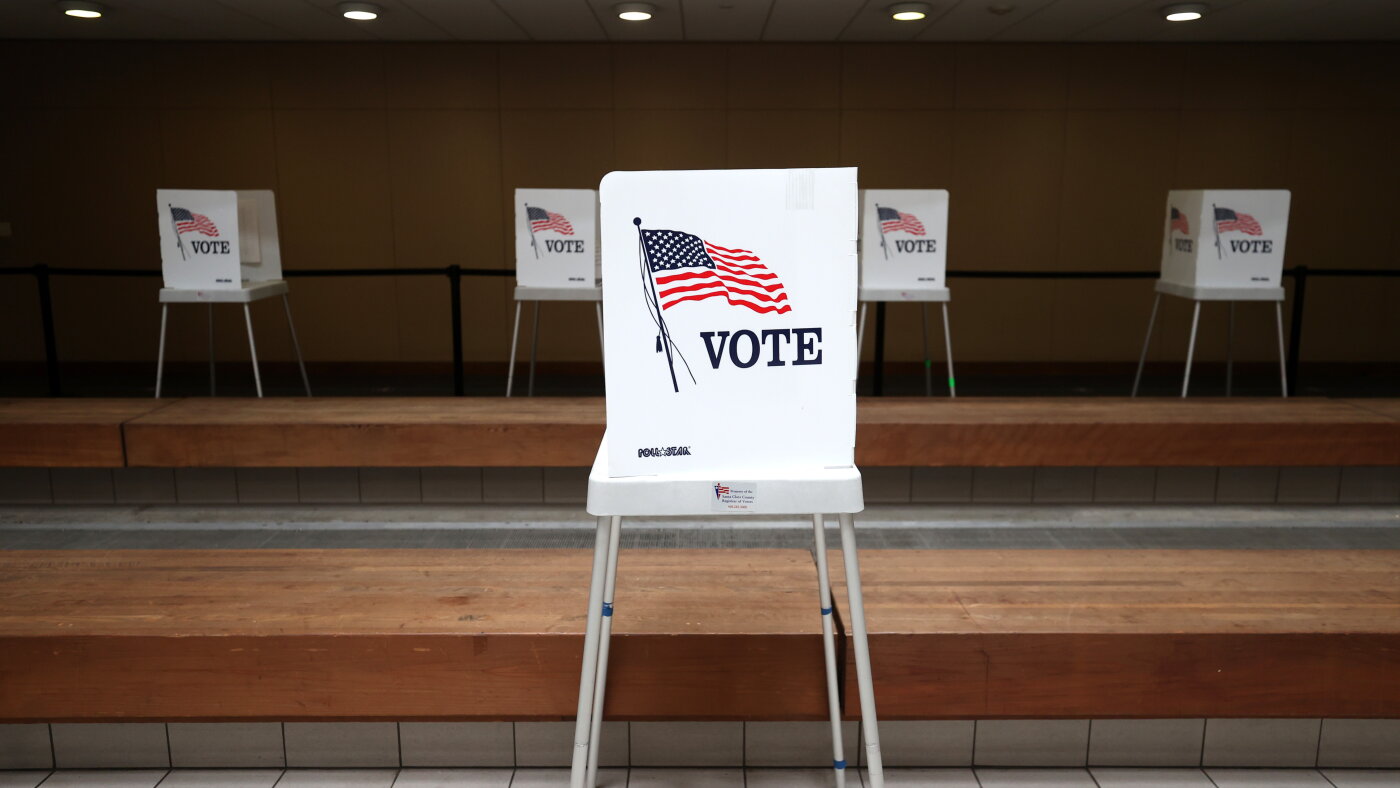
Cover image from npr.org, which was analyzed for this article
Democrats formed a task force to counter risks of interference in 2026 midterms. Republicans push back on related voting and funding proposals.
PoliticalOS
Friday, August 28, 2026 — Politics
Democrats in the minority have created an internal Senate coordination group focused on litigation and state-level preparation for the 2026 midterms, while the administration advances proof-of-citizenship legislation and voter data requests that have produced mixed court results. The core unresolved tension is whether these steps constitute interference or standard election administration.
What outlets missed
Neither outlet reported the specific number of district court dismissals (23) alongside the Supreme Court's interim order in the same paragraph, leaving readers without a single consolidated account of the litigation record. The NPR article omitted polling data on public support for proof-of-citizenship rules already in place in multiple states. The Fox article focused exclusively on redistricting outcomes and did not address the Senate task force or the SAVE America Act provisions at all, despite the shared 2026 election timeline.
Democrats Form Task Force Amid Trump's Redistricting Gains for Midterms
Congressional Democrats have assembled a Senate task force of at least 11 members to monitor the November midterms, citing concerns over potential actions by President Trump and his allies that could affect voting. The effort, led by Senate Minority Leader Chuck Schumer, includes staff and outside advisers who have compiled a list of roughly 100 possible scenarios, ranging from claims of election irregularities to federal involvement in state processes.
This preparation comes after Republicans secured additional congressional seats through redistricting efforts backed by Trump. Texas approved a new map last year that shifted the balance toward more Republican-leaning districts, a move that Democrats and commentators at the time labeled as an assault on democratic norms. Similar adjustments in Missouri received court approval earlier this month, adding to the net gain of at least 10 seats for the GOP heading into the elections. Supreme Court rulings and decisions from state courts in Virginia further cleared paths for these changes despite Democratic challenges.
Schumer described the task force as a safeguard to ensure votes are counted without interference or intimidation. The group has already pushed back against administration requests for state voter data and proposals to adjust mail-in procedures. Democrats argue these steps represent unusual executive overreach, though redistricting itself falls under standard state legislative authority and has been used by both parties in past cycles.
Critics of the Democratic response point out that the same voices who condemned the Texas map as a crisis for voting rights now appear focused on contingency planning rather than engaging directly with the legal outcomes. Progressive media figures had framed the redistricting push as an emergency, yet the maps proceeded through legislative and judicial channels without the widespread disruptions predicted. The resulting Republican advantage has narrowed the path for Democrats to regain House control.
The task force's internal planning reflects broader partisan tensions over election administration. With control of the House at stake in a closely divided chamber, both sides have invested resources in legal and operational preparations. Democrats have highlighted risks such as a possible national emergency declaration or deployment of federal personnel, scenarios that remain hypothetical at this stage. Republicans counter that their redistricting successes simply reflect demographic shifts and court-validated processes rather than any coordinated subversion.
Voter rolls and mail voting rules continue to draw attention as states finalize procedures. The administration's interest in accessing state data has prompted lawsuits and congressional objections from Democrats, who view it as an attempt to influence outcomes. Supporters of the reviews argue they target inaccuracies that have persisted across multiple election cycles. Historical turnout patterns show variations in mail voting that both parties have sought to address through legislation at different times.
As the campaign period advances, the focus on institutional safeguards has intensified. The Democratic initiative operates alongside existing state-level election offices and federal oversight mechanisms already in place. Trump has maintained that fair elections depend on accurate counts and secure processes, a position aligned with his earlier emphasis on state-level map adjustments to reflect current populations.
The interplay between redistricting results and these monitoring efforts underscores ongoing disputes over how elections are conducted. Democrats maintain their task force addresses genuine risks, while the GOP points to its recent legal victories as evidence that standard political competition remains intact. With weeks remaining before November, both parties continue to refine strategies around district lines, voting access, and legal challenges that have defined recent cycles.
You just read America First's take. Want to read what actually happened?
More in Politics
Democrats Flip Senate, Expand House Majority in Midterms
Democrats flipped the Senate and expanded their House majority in a major rebuke to President Trump and Republicans. Key victories included multiple Senate seats and state-level wins that ended long-standing GOP dominance in places like Texas.
GOP Losses Spur Blame, Vance Distancing, 2028 Maneuvers
Republicans are pointing fingers internally after heavy losses, with Vice President JD Vance distancing himself from Trump over the Iran war and positioning for a potential 2028 run. Challengers within the party are already sensing opportunity.
Democrats Take House and Senate Amid Record Midterm Turnout
Democrats achieved decisive gains in the 2026 midterms, flipping seats to take control of both chambers. Coverage highlights historic turnout and implications for the Trump administration.
Democrats Take House and Senate, Constraining Trump
Democrats flipped both the House and Senate in a major rebuke to President Trump and Republicans. The results create divided government and set up battles over spending, oversight, and foreign policy for the remainder of Trump's term.
The Compass
You just read five takes on one story.
What's your take? Find your political shape in a few minutes.
Take the test