
Democrats Form Senate Task Force to Counter 2026 Election Risks
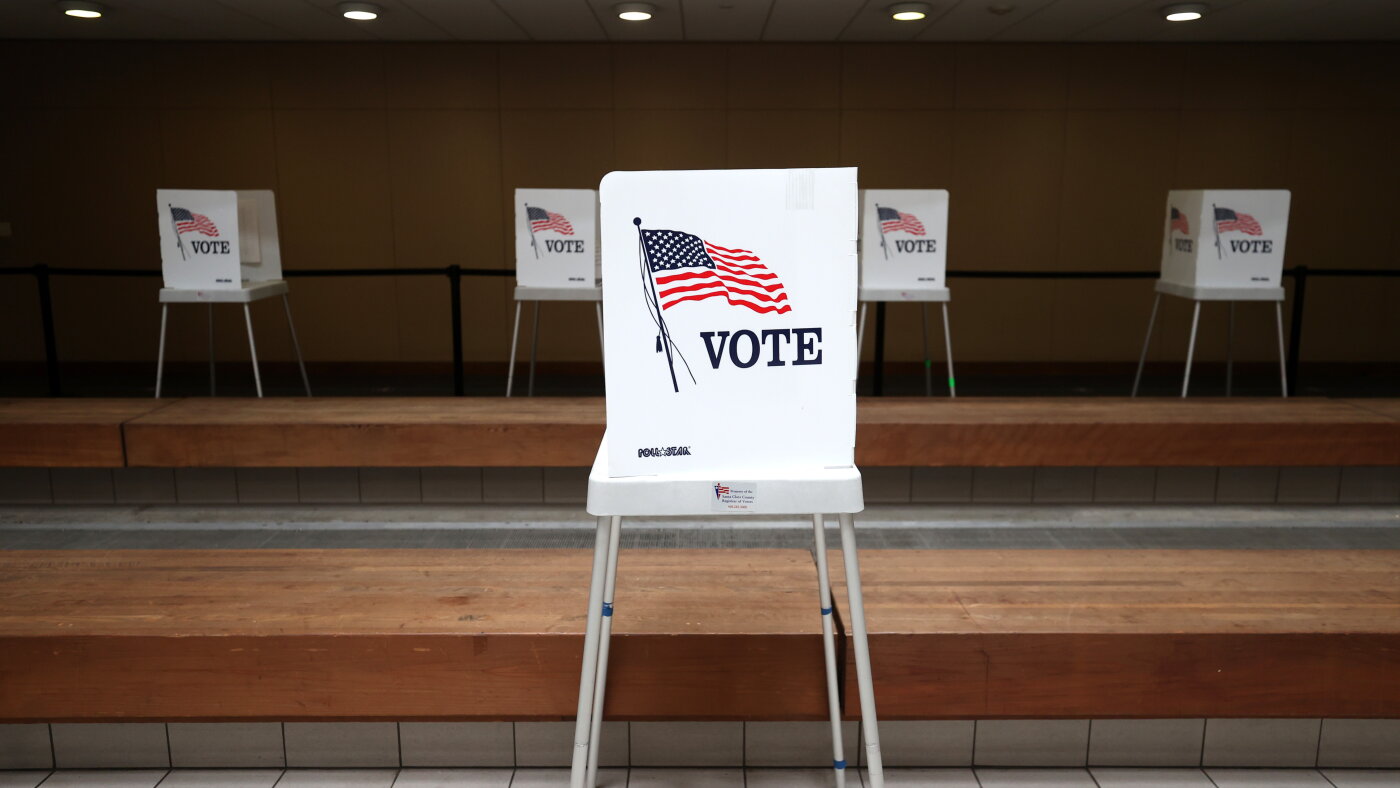
Cover image from npr.org, which was analyzed for this article
Democrats formed a task force to counter risks of interference in 2026 midterms. Republicans push back on related voting and funding proposals.
PoliticalOS
Friday, August 28, 2026 — Politics
Democrats in the minority have created an internal Senate coordination group focused on litigation and state-level preparation for the 2026 midterms, while the administration advances proof-of-citizenship legislation and voter data requests that have produced mixed court results. The core unresolved tension is whether these steps constitute interference or standard election administration.
What outlets missed
Neither outlet reported the specific number of district court dismissals (23) alongside the Supreme Court's interim order in the same paragraph, leaving readers without a single consolidated account of the litigation record. The NPR article omitted polling data on public support for proof-of-citizenship rules already in place in multiple states. The Fox article focused exclusively on redistricting outcomes and did not address the Senate task force or the SAVE America Act provisions at all, despite the shared 2026 election timeline.
Democrats Organize Against Potential Election Interference as Redistricting Battles Shift House Maps
Congressional Democrats have launched a coordinated effort to guard against what they describe as risks of disruption in the November midterms, including possible claims of fraud or administrative moves by the Trump administration that could affect voting access. The initiative centers on a Senate task force of at least 11 members, backed by staff and outside experts, that has compiled a catalog of roughly 100 scenarios ranging from a national emergency declaration to the deployment of federal personnel at polling sites.
Senate Minority Leader Chuck Schumer announced the group in April, framing its purpose as ensuring that votes are counted without coercion. Members have already pushed back on administration requests for state voter rolls and restrictions on mail ballots, moves they view as early attempts to shape the electorate. The preparations come at a moment when partisan map-drawing has already altered the landscape for House races, with Republicans securing additional seats through redistricting in Texas, Missouri and other states.
Texas enacted a new congressional map last year that added multiple right-leaning districts, a step Democrats and aligned analysts characterized as an aggressive bid to lock in advantages before voters reach the polls. Similar changes followed in Missouri after a court ruling cleared the way for a Trump-backed plan. Earlier legal decisions from the Supreme Court and Virginia’s highest court limited Democratic counter-efforts in several Southern states, leaving Republicans with a net gain estimated at ten or more seats heading into the midterms.
Democrats argue these mid-decade redraws compound structural imbalances and heighten the stakes for any further interference. Task force participants have focused on legal and procedural responses, coordinating with state officials and advocacy groups to monitor compliance with voting laws and to prepare rapid challenges in court if irregularities surface. They have also examined how an emergency declaration might interact with existing statutes governing elections and federal authority.
The redistricting gains for Republicans followed a period of public criticism from Democratic figures who warned that the process would erode competitive districts and reduce voter influence in key states. Those warnings did not prevent the maps from taking effect, and Republicans now enter the campaign season with a narrower but more favorable House playing field. Democrats maintain that their current preparations address a distinct set of risks beyond map-drawing, including the possibility of federal actions that could directly affect ballot access or certification.
Outside groups aligned with the task force have begun sharing contingency plans with state election administrators, emphasizing documentation and chain-of-custody procedures for ballots. Lawmakers involved say the list of potential threats is deliberately broad to avoid being caught off guard by novel tactics. While the group’s work remains internal for now, its existence signals that Democrats expect the final weeks before the election to test institutional guardrails in ways that go beyond routine campaign disputes.
You just read Liberal's take. Want to read what actually happened?
More in Politics
Democrats Flip Senate, Expand House Majority in Midterms
Democrats flipped the Senate and expanded their House majority in a major rebuke to President Trump and Republicans. Key victories included multiple Senate seats and state-level wins that ended long-standing GOP dominance in places like Texas.
GOP Losses Spur Blame, Vance Distancing, 2028 Maneuvers
Republicans are pointing fingers internally after heavy losses, with Vice President JD Vance distancing himself from Trump over the Iran war and positioning for a potential 2028 run. Challengers within the party are already sensing opportunity.
Democrats Take House and Senate Amid Record Midterm Turnout
Democrats achieved decisive gains in the 2026 midterms, flipping seats to take control of both chambers. Coverage highlights historic turnout and implications for the Trump administration.
Democrats Take House and Senate, Constraining Trump
Democrats flipped both the House and Senate in a major rebuke to President Trump and Republicans. The results create divided government and set up battles over spending, oversight, and foreign policy for the remainder of Trump's term.
The Compass
You just read five takes on one story.
What's your take? Find your political shape in a few minutes.
Take the test